Introduction
Lung disease is a significant health concern that affects millions of people worldwide, but its impact on women is often underrecognized. Historically, lung diseases such as chronic obstructive pulmonary disease (COPD) and lung cancer were more prevalent in men, largely due to higher smoking rates. However, in recent decades, the incidence of these conditions in women has risen dramatically. This trend can be attributed to a variety of factors, including changes in smoking patterns, environmental exposures, and biological differences between men and women. Understanding the unique challenges that women face in the context of lung disease is crucial for developing effective treatment strategies and support systems tailored to their needs.
Gender Differences in Lung Disease
Research has shown that there are significant gender differences in the prevalence, progression, and outcomes of lung diseases. Women are more susceptible to certain lung conditions, and they often experience different symptoms and disease trajectories compared to men. Several factors contribute to these gender differences, including biological, hormonal, and environmental influences.
-
Biological Differences
Women have smaller airways and lung volumes than men, which can make them more vulnerable to the harmful effects of smoking and air pollution. Additionally, women may have a higher inflammatory response to lung irritants, which can exacerbate respiratory conditions.
-
Hormonal Influences
Hormonal fluctuations, particularly those related to estrogen, can impact lung function and disease progression. For instance, estrogen has been linked to an increased risk of developing lung cancer, especially in women who smoke. Hormonal changes during menstruation, pregnancy, and menopause can also affect asthma control and other respiratory conditions.
-
Environmental Exposures
Women may have different patterns of exposure to environmental toxins, such as household air pollution from cooking and cleaning, which can increase their risk of lung diseases. Occupational exposures also play a role, with women in certain industries facing higher risks of developing respiratory conditions.
Common Lung Conditions in Women
While many lung diseases affect both men and women, certain conditions are more prevalent or present differently in women. Understanding these conditions and their unique manifestations in female patients is essential for effective diagnosis and treatment.
-
Chronic Obstructive Pulmonary Disease (COPD)
COPD, a group of diseases that cause airflow blockage and breathing-related problems, is increasingly common in women. Although smoking is a primary risk factor, non-smokers can also develop COPD, particularly women exposed to secondhand smoke or environmental pollutants. Women with COPD often experience more severe symptoms, such as chronic cough and shortness of breath, and are more likely to be misdiagnosed or underdiagnosed compared to men.
-
Lung Cancer
Lung cancer is the leading cause of cancer death in women, surpassing breast cancer. Women are more likely than men to develop certain types of lung cancer, such as adenocarcinoma, which often occurs in non-smokers. Genetic factors, such as mutations in the EGFR gene, are more common in women and can influence treatment options. Women with lung cancer may also experience different symptoms, such as fatigue and chest pain, which can delay diagnosis.
-
Asthma
Asthma is a chronic lung condition characterized by inflammation and narrowing of the airways. Women are more likely than men to develop asthma after puberty, and they often experience more severe symptoms. Hormonal fluctuations during the menstrual cycle, pregnancy, and menopause can affect asthma control, making management more challenging for women.
-
Pulmonary Arterial Hypertension (PAH)
PAH is a rare lung disorder that affects the arteries in the lungs and the right side of the heart. It is more common in women, particularly those of childbearing age. The condition can cause symptoms such as shortness of breath, chest pain, and fatigue. PAH is a serious condition that requires specialized treatment, and it can be particularly challenging to manage during pregnancy.
Challenges Faced by Female Patients
Women with lung disease often face unique challenges that can complicate their diagnosis, treatment, and overall quality of life. These challenges can stem from biological differences, social factors, and healthcare disparities.
-
Delayed Diagnosis
Lung diseases in women are often underdiagnosed or misdiagnosed, leading to delays in appropriate treatment. Symptoms of lung disease, such as shortness of breath and chronic cough, may be attributed to other conditions, such as anxiety or heart disease, particularly in women who do not smoke.
-
Gender Bias in Healthcare
Gender bias in healthcare can lead to disparities in the diagnosis and treatment of lung diseases. Women may receive less aggressive treatment for lung conditions compared to men, or their symptoms may be dismissed or overlooked. This can result in poorer outcomes and a lower quality of life for female patients.
-
Impact of Hormonal Changes
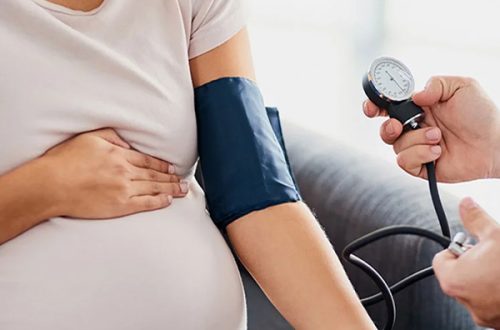
Hormonal fluctuations can complicate the management of lung diseases in women. For example, asthma symptoms may worsen during menstruation or pregnancy, requiring adjustments to treatment plans. Women with PAH face significant risks during pregnancy, as the condition can worsen and increase the likelihood of complications.
-
Psychosocial Factors
Women with lung disease may experience higher levels of stress, anxiety, and depression, which can affect their ability to manage their condition. Social roles, such as caregiving responsibilities, can also impact their ability to prioritize their own health and access necessary care.
Treatment Approaches for Women
Treating lung disease in women requires a comprehensive approach that takes into account their unique physiological and psychosocial needs. Tailored treatment strategies can improve outcomes and quality of life for female patients.
-
Personalized Medicine
Personalized medicine, which involves tailoring treatment to an individual’s genetic profile, is particularly relevant for women with lung disease. For example, women with lung cancer may benefit from targeted therapies based on specific genetic mutations, such as EGFR inhibitors. Personalized approaches can also help address hormonal influences on lung conditions, such as adjusting asthma treatment during different phases of the menstrual cycle.
-
Comprehensive Care
Comprehensive care involves addressing both the physical and emotional aspects of lung disease in women. This may include a combination of medication, pulmonary rehabilitation, psychological support, and lifestyle modifications. For example, women with COPD may benefit from smoking cessation programs, nutritional counseling, and exercise therapy to improve lung function and overall health.
-
Hormonal Management
For women whose lung disease is influenced by hormonal changes, hormonal management may be an important aspect of treatment. This could involve adjusting asthma medications during menstruation or menopause or carefully managing pregnancy in women with PAH. Collaborating with gynecologists or endocrinologists may be necessary to optimize hormonal management.
-
Patient Education and Empowerment
Educating female patients about their condition and empowering them to take an active role in their care is crucial. Women should be informed about the impact of hormonal changes on their lung disease, the importance of adherence to treatment plans, and strategies for managing symptoms. Providing resources and support can help women make informed decisions and advocate for their health needs.
Support Systems for Women with Lung Disease
Support systems play a vital role in helping women manage lung disease and improve their quality of life. These systems can include family support, patient advocacy groups, and healthcare providers who are sensitive to the unique needs of female patients.
-
Family and Social Support
Family and friends can provide essential emotional and practical support to women with lung disease. Encouraging open communication about the challenges of living with lung disease and involving family members in treatment plans can help women feel supported and less isolated.
-
Patient Advocacy and Support Groups
Patient advocacy organizations and support groups can provide valuable resources, education, and peer support for women with lung disease. These groups offer a platform for sharing experiences, accessing information about treatment options, and advocating for better healthcare services tailored to women.
-
Multidisciplinary Healthcare Teams
Multidisciplinary healthcare teams, including pulmonologists, gynecologists, endocrinologists, and mental health professionals, can provide comprehensive care for women with lung disease. Coordinated care among specialists ensures that all aspects of a woman’s health are considered, leading to better outcomes and a higher quality of life.
-
Telehealth and Online Resources
Telehealth services and online resources have become increasingly important for women with lung disease, especially those who may face barriers to accessing in-person care. These platforms provide convenient access to healthcare providers, educational materials, and support networks, helping women manage their condition more effectively.
Conclusion
Lung disease in women presents unique challenges that require tailored approaches to diagnosis, treatment, and support. Understanding the gender differences in lung disease, the specific conditions that affect women, and the challenges they face is essential for improving outcomes and quality of life. By adopting personalized treatment strategies, addressing hormonal influences, and providing comprehensive support systems, healthcare providers can better meet the needs of female patients with lung disease. As awareness of these issues continues to grow, it is hoped that more women will receive the timely and effective care they deserve, leading to better health outcomes and enhanced well-being.
FAQs:
What Are the Unique Challenges Women Face with Lung Diseases?
Women often experience delayed diagnosis, gender bias in healthcare, hormonal influences that complicate disease management, and psychosocial stressors, all of which can impact their treatment and quality of life.
What Lung Conditions Are More Common in Women?
Conditions like chronic obstructive pulmonary disease (COPD), lung cancer (especially adenocarcinoma), asthma, and pulmonary arterial hypertension (PAH) are more common or present differently in women.
How Do Treatment Approaches Differ for Female Lung Disease Patients?
Treatment for women may involve personalized medicine based on genetic factors, comprehensive care addressing both physical and emotional health, hormonal management, and patient education tailored to their unique needs.
What Support Systems Are Available for Women with Lung Diseases?
Support systems include family and social support, patient advocacy groups, multidisciplinary healthcare teams, and telehealth services, which provide access to education, resources, and emotional support.
Are There Gender-Specific Issues in Lung Health Research?
Yes, there are gaps in research focusing on how lung diseases affect women differently, including underrepresentation in clinical trials and a lack of gender-specific data, which can lead to less effective treatment strategies for women.