Introduction
HIV prevention has come a long way, and one of the most powerful emergency tools available is PEP (Post-Exposure Prophylaxis). If you’ve been recently exposed—or think you may have been exposed—to HIV, PEP can help stop the virus from taking hold in your body.
But timing is everything.
PEP must be started within 72 hours (3 days) after potential exposure, and the sooner, the better. In this article, we’ll explain how PEP works, who should take it, how to get it, and what to expect during treatment.
What is PEP?
PEP (Post-Exposure Prophylaxis) is a short-term course of antiretroviral medications (ARVs) taken after a possible HIV exposure. It’s designed to prevent infection, much like emergency contraception prevents pregnancy after unprotected sex.
PEP is not for regular use. It is an emergency measure used only after potential exposure.
How Does PEP Work?
PEP works by inhibiting HIV replication in the body after exposure. If taken soon enough and completed as prescribed, PEP can prevent HIV from establishing a permanent infection.
Key facts:
- It must be started within 72 hours after exposure.
- It is taken daily for 28 days.
- It contains a combination of antiretroviral drugs—usually two or three medications.
Who Should Consider PEP?
PEP is recommended for HIV-negative individuals who have had a recent high-risk exposure to HIV.
Common Scenarios Where PEP is Needed:
1. Sexual Exposure
- Unprotected vaginal or anal sex with a partner who is HIV-positive or of unknown status.
- Condom breaks or slips.
- Sexual assault.
2. Needle Sharing
- Sharing needles or syringes for injecting drugs.
- Accidental needle-stick injury (common in healthcare settings).
3. Occupational Exposure
- Healthcare workers exposed to blood or bodily fluids through needlestick injuries or splashes.
If you believe you’ve been exposed to HIV, do not wait—contact a healthcare provider, ER, or urgent care clinic immediately.
When Should PEP Be Taken?
Best within 2 hours of exposure.
Effective up to 72 hours after exposure.
Ineffective if started after 72 hours.
The earlier you start PEP, the better the chance of preventing HIV.
How to Get PEP
You can get PEP from:
- Emergency rooms or urgent care clinics
- Primary care providers
- Sexual health clinics or HIV/STI clinics
- Local health departments
Let the provider know immediately that you believe you were exposed to HIV—they will prioritize urgent care.
What to Expect During PEP Treatment
1. Medication Regimen
- Most PEP regimens involve a 3-drug combination, taken once or twice a day for 28 days.
- Common combinations include tenofovir + emtricitabine + raltegravir or dolutegravir.
2. Side Effects
PEP is generally safe, but some people experience temporary side effects, such as:
- Nausea
- Fatigue
- Headache
- Diarrhea
These typically go away after a few days and do not mean the treatment isn’t working.
3. Follow-Up Testing
- Initial HIV test before starting PEP.
- Follow-up tests at 4–6 weeks, 3 months, and sometimes 6 months after exposure to confirm HIV-negative status.
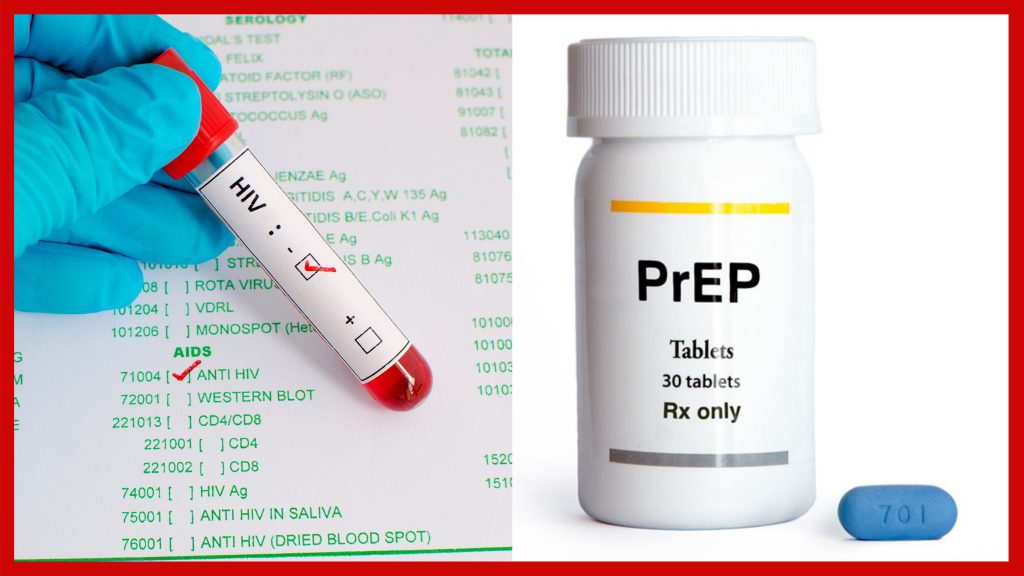
PEP vs. PrEP: What’s the Difference?
| Feature | PEP | PrEP |
| Purpose | Emergency after possible exposure | Ongoing prevention before exposure |
| When to Use | Within 72 hours after risk | Daily or as prescribed before risk |
| Duration | 28 days | Ongoing or event-based |
| For Whom | Anyone recently exposed | People at ongoing risk |
| Availability | Urgent/emergency prescription | Planned with a healthcare provider |
PEP Is Not…
- ❌ A substitute for regular protection or PrEP.
- ❌ A “morning-after pill” you can take anytime.
- ❌ Effective after 72 hours.
- ❌ A cure for HIV.
It is a last-resort prevention method—not a regular strategy.
Tips to Make PEP Work Effectively
- Start ASAP after exposure—don’t wait for symptoms.
- Take every dose as prescribed—don’t skip.
- Avoid further exposure during the 28-day course.
- Return for follow-up testing as advised.
Conclusion
PEP is a powerful emergency option to prevent HIV—but only if taken correctly and on time. If you believe you’ve been exposed to HIV through sex, injection drug use, or occupational risk, don’t hesitate. Every hour counts.
Accessing PEP quickly and completing the full 28-day course significantly reduces your chances of acquiring HIV. After completing PEP, talk to your provider about ongoing prevention, such as PrEP, to stay protected long term.
FAQs
How soon after exposure should I take PEP?
As soon as possible—ideally within 2 hours, but no later than 72 hours.
Can I get PEP from a pharmacy without a prescription?
No. PEP requires a prescription and HIV testing. Visit an ER, urgent care, or health clinic.
Is PEP 100% effective?
PEP is highly effective when taken correctly, but not guaranteed. Timeliness and adherence are key.
What happens if I miss a dose?
Take the missed dose as soon as you remember, but do not double up. Contact your provider for advice.
Can I take PEP more than once?
Yes, but frequent PEP use may suggest the need for PrEP—a safer long-term prevention option.