Introduction
Stroke rehabilitation is a critical phase in the recovery process, aimed at helping survivors regain as much independence and quality of life as possible. Since strokes often impair movement, communication, and daily functioning, a multidisciplinary approach involving physical therapy, occupational therapy, and speech therapy is essential. This article explores these key therapies, their goals, methods, and benefits in supporting stroke survivors.
Physical Therapy (PT)
Purpose
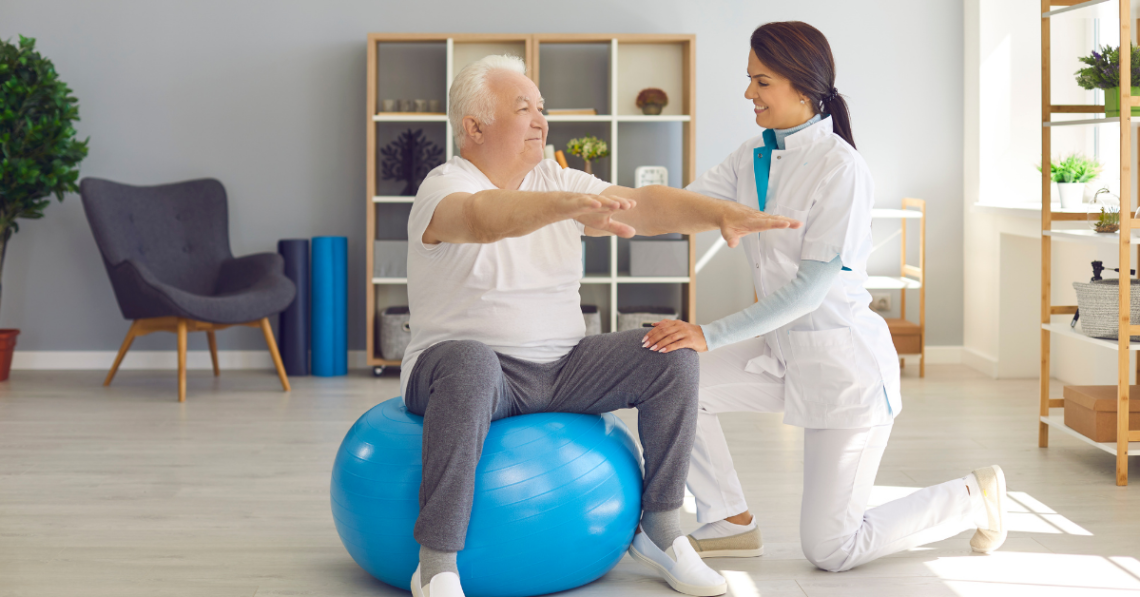
Physical therapy focuses on restoring mobility, strength, balance, and coordination. It addresses muscle weakness or paralysis caused by brain damage and helps prevent complications like joint stiffness and muscle contractures.
Common Interventions
- Strength training: Exercises to rebuild muscle power in affected limbs.
- Range of motion exercises: Maintain or improve joint flexibility.
- Balance and gait training: Improve walking and prevent falls.
- Use of assistive devices: Canes, walkers, or braces to support mobility.
- Neuromuscular re-education: Techniques to retrain muscles and nerves for movement.
Benefits
- Improves physical independence and mobility.
- Reduces risk of falls and injuries.
- Enhances cardiovascular health and endurance.
Occupational Therapy (OT)
Purpose
Occupational therapy helps stroke survivors relearn and adapt to daily activities necessary for independent living, such as dressing, bathing, cooking, and managing finances.
Common Interventions
- Fine motor skills training: Activities to improve hand dexterity and coordination.
- Adaptive techniques and equipment: Tools like grabbers, modified utensils, or dressing aids.
- Cognitive training: Memory, problem-solving, and organizational skills enhancement.
- Home modifications: Recommendations to improve safety and accessibility (e.g., grab bars, ramps).
- Energy conservation strategies: To manage fatigue during daily tasks.
Benefits
- Restores ability to perform everyday activities.
- Boosts confidence and independence.
- Supports cognitive recovery and adaptation.
Speech Therapy
Purpose
Speech therapy addresses communication problems such as aphasia (difficulty speaking or understanding language) and dysarthria (difficulty articulating words), as well as swallowing difficulties (dysphagia) common after stroke.
Common Interventions
- Language therapy: Exercises to improve comprehension, speaking, reading, and writing.
- Speech articulation practice: Strengthening muscles used in speech.
- Swallowing therapy: Techniques to safely manage eating and prevent aspiration pneumonia.
- Alternative communication methods: Use of picture boards, speech-generating devices.
Benefits
- Enhances verbal and non-verbal communication skills.
- Improves safe swallowing and nutrition.
- Increases social interaction and quality of life.
The Rehabilitation Process
- Assessment: A team of therapists evaluates physical, cognitive, and communication abilities.
- Individualized care plan: Tailored to the survivor’s needs, goals, and progress.
- Intensity and duration: Rehabilitation may begin in hospital, continue in outpatient clinics, rehabilitation centers, or at home.
- Family involvement: Caregivers are trained to support ongoing therapy and recovery.
Challenges and Tips for Success
- Fatigue and frustration: Common but can be managed with pacing and emotional support.
- Consistency: Regular practice and therapy sessions are key to improvement.
- Goal setting: Small, achievable goals help maintain motivation.
- Multidisciplinary approach: Coordinated care among therapists, doctors, and caregivers ensures comprehensive support.
Conclusion
Stroke rehabilitation through physical, occupational, and speech therapy plays a vital role in helping survivors regain independence and improve their quality of life. Early intervention, personalized therapy plans, and ongoing support empower patients to overcome physical and cognitive challenges after stroke.
FAQs
When does stroke rehabilitation start?
Rehabilitation usually begins as soon as the patient is medically stable, often within days after a stroke.
How long does rehabilitation last?
Duration varies from weeks to months, depending on stroke severity and individual progress.
Can all stroke survivors benefit from these therapies?
Most survivors benefit, though the type and intensity of therapy vary.
Is family involvement important?
Yes, family support significantly enhances recovery outcomes.
What if progress is slow?
Recovery varies; persistent therapy and adjustments in treatment can still lead to improvement over time.