Introduction
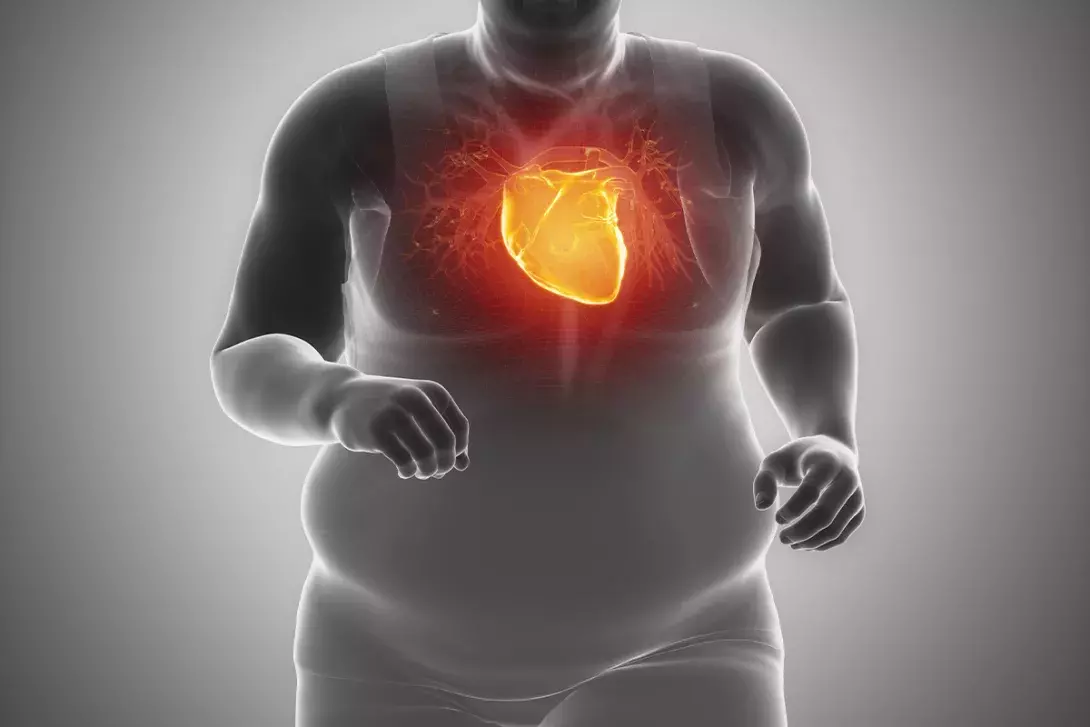
Obesity is more than just carrying excess weight; it’s a complex health condition that significantly increases the risk of multiple serious diseases. Worldwide, obesity rates have surged, leading to a greater burden of chronic illnesses such as type 2 diabetes, cardiovascular disease, and certain cancers. Understanding these health risks helps emphasize the importance of the prevention and management of obesity for overall well-being.
Obesity and Type 2 Diabetes
Connection
- Excess fat, particularly around the abdomen, causes the body to become resistant to insulin, the hormone that regulates blood sugar.
- This insulin resistance leads to elevated blood glucose levels, eventually resulting in type 2 diabetes.
Health Implications
- Diabetes increases the risk of nerve damage, kidney failure, vision loss, and cardiovascular complications.
- Managing obesity through diet, exercise, and sometimes medication can prevent or delay diabetes onset.
Obesity and Heart Disease
Mechanisms
- Obesity raises blood pressure and bad cholesterol (LDL) while lowering good cholesterol (HDL).
- Excess fat contributes to inflammation and plaque buildup in arteries (atherosclerosis).
- These changes increase the risk of coronary artery disease, heart attack, and stroke.
Additional Factors
- Obesity can cause sleep apnea, which further strains the heart.
- It may also lead to heart failure due to increased workload on the heart muscle.
Obesity and Cancer
Increased Risk of Several Cancers
- Obesity is linked to a higher incidence of breast, colorectal, pancreatic, endometrial, kidney, and esophageal cancers.
- Fat tissue produces hormones and inflammatory substances that may promote cancer development.
Impact on Treatment and Prognosis
- Obesity can complicate cancer treatment and worsen outcomes.
- Weight management is an important part of cancer prevention strategies.
Other Health Risks Associated with Obesity
- Joint problems: Osteoarthritis due to increased pressure on weight-bearing joints.
- Respiratory issues: Higher risk of asthma and reduced lung function.
- Mental health: Increased rates of depression, anxiety, and low self-esteem.
- Metabolic syndrome: A Cluster of conditions including high blood pressure, high blood sugar, excess body fat, and abnormal cholesterol levels.
Preventing and Managing Obesity
Lifestyle Changes
- Balanced diet focusing on whole foods, fruits, vegetables, lean proteins, and whole grains.
- Regular physical activity—aim for at least 150 minutes per week of moderate exercise.
- Behavioral modifications like mindful eating and stress management.
Medical and Surgical Options
- Medications may be prescribed to aid weight loss in some cases.
- Bariatric surgery is an option for severe obesity with related health problems.
Conclusion
Obesity is a major contributor to chronic diseases far beyond just excess body weight. Its strong links to diabetes, heart disease, and cancer highlight the critical need for effective prevention and treatment. Addressing obesity improves not only longevity but also quality of life by reducing the burden of these serious conditions.
FAQs
Is obesity reversible?
Yes, with lifestyle changes, medical treatment, and sometimes surgery, weight loss is achievable.
How much weight loss improves health risks?
Even a 5-10% reduction in body weight can significantly lower disease risks.
Can obesity-related diabetes be cured?
Type 2 diabetes can often be managed or put into remission with weight loss and lifestyle changes.
Does obesity affect cancer risk in everyone?
Risk varies by cancer type, but obesity generally increases risk for multiple cancers.
What role does genetics play in obesity?
Genetics can influence susceptibility, but lifestyle remains a major factor.