Introduction
Food is not just fuel—it’s also tied to emotions, comfort, and social experiences. While enjoying food is natural, problems arise when eating becomes a coping mechanism for stress, sadness, boredom, or anxiety. This behavior, often called emotional eating, can lead to overeating and, in some cases, escalate into binge eating disorder (BED). Unlike occasional indulgence, emotional or binge eating can disrupt physical health, contribute to weight gain, and negatively affect mental well-being.
The good news is that both emotional eating and binge eating can be managed with awareness, practical strategies, and professional support.
Understanding Emotional Eating
What Is Emotional Eating?
Emotional eating is the tendency to eat in response to emotions rather than physical hunger. Triggers may include:
- Stress from work or personal life.
- Loneliness or sadness.
- Fatigue or boredom.
- Celebrations, where food becomes a reward.
Why It Happens
When stressed, the body releases cortisol, which increases cravings for high-fat, high-sugar “comfort foods.” Eating may temporarily soothe emotions, but it doesn’t solve the underlying issue, often leading to guilt or shame afterward.
Understanding Binge Eating
What Is Binge Eating?
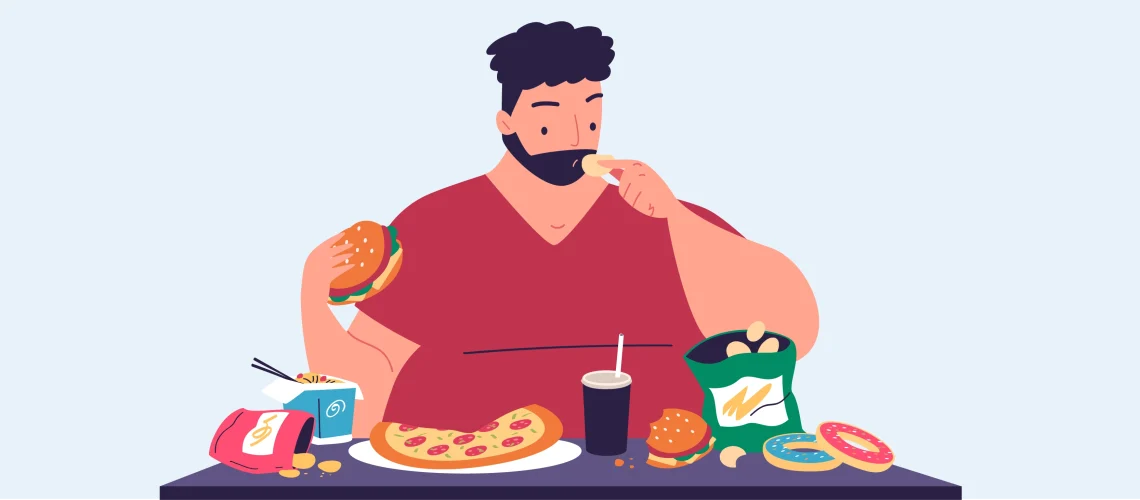
Binge eating involves consuming unusually large amounts of food in a short period, often accompanied by a sense of loss of control. Unlike bulimia, binge eating is not typically followed by purging behaviors such as vomiting.
Signs of Binge Eating Disorder (BED)
- Eating rapidly until uncomfortably full.
- Eating large amounts of food when not physically hungry.
- Eating alone due to shame or embarrassment.
- Feeling guilt, disgust, or depression after overeating.
BED is recognized as the most common eating disorder and requires professional intervention for long-term recovery.
Strategies to Overcome Emotional Eating and Binge Eating
1. Recognize Triggers
Keep a food and mood journal to identify what emotions or situations trigger overeating. Awareness is the first step toward breaking the cycle.
2. Differentiate Hunger from Cravings
- Physical hunger develops gradually, can be satisfied with any food, and stops when full.
- Emotional hunger is sudden, specific (craving ice cream or chips), and often persists even after eating.
3. Find Alternative Coping Mechanisms
Replace food with healthier strategies to manage emotions:
- Stress: try deep breathing, yoga, or a short walk.
- Sadness: call a friend, listen to music, or journal.
- Boredom: engage in a hobby or learn something new.
4. Practice Mindful Eating
- Eat slowly, savoring each bite.
- Avoid distractions such as TV or scrolling on your phone.
- Pay attention to fullness cues.
5. Create a Balanced Eating Routine
Skipping meals can increase the risk of overeating later. Plan regular, balanced meals with protein, fiber, and healthy fats to stabilize blood sugar and reduce cravings.
6. Limit Trigger Foods at Home
If certain foods lead to overeating, avoid stocking large quantities at home. Instead, keep healthier snacks—like fruits, nuts, or yogurt—readily available.
7. Seek Support
- Talk to trusted friends or family.
- Join a support group for emotional eating or BED.
- Work with a therapist, nutritionist, or counselor specializing in eating behaviors.
8. Professional Treatment for Binge Eating Disorder
If binge eating is frequent and distressing, medical and psychological support is essential. Treatment may include:
- Cognitive Behavioral Therapy (CBT): helps identify and change negative thought patterns.
- Dialectical Behavior Therapy (DBT): teaches emotional regulation and coping skills.
- Medication: certain antidepressants or medications like lisdexamfetamine may be prescribed.
- Nutritional counseling: guidance on building a balanced eating plan.
Conclusion
Overcoming emotional eating and binge eating is not about willpower alone—it requires self-awareness, healthier coping strategies, and often professional guidance. By learning to distinguish emotional hunger from physical hunger, practicing mindfulness, and addressing underlying triggers, individuals can build a healthier relationship with food. For those with binge eating disorder, seeking treatment is essential for recovery and improved quality of life.
Remember, progress may be gradual, but each step taken toward mindful eating and emotional balance is a step toward long-term well-being.
FAQs
1. Is emotional eating the same as binge eating?
No. Emotional eating involves eating in response to feelings, while binge eating disorder involves consuming large quantities of food with loss of control.
2. How can I stop eating when I’m stressed?
Try alternative coping strategies such as exercise, journaling, or relaxation techniques instead of reaching for food.
3. Can binge eating be cured?
Yes. With therapy, support, and sometimes medication, many people recover from binge eating disorder.
4. Why do I crave junk food when I’m sad or stressed?
Stress hormones like cortisol increase cravings for high-calorie, sugary, or fatty foods as a quick comfort mechanism.
5. Should I seek professional help if I binge eat sometimes?
Occasional overeating is common, but if binges are frequent, distressing, or affecting your health, professional help is recommended.