Introduction
Respiratory Syncytial Virus (RSV) is a contagious respiratory virus that can cause severe illness in vulnerable populations, including older adults, infants, and pregnant women. RSV is a leading cause of hospitalization in older adults and can lead to serious complications such as pneumonia or bronchitis. For infants, RSV infection during the first months of life can be particularly dangerous.
In recent years, new vaccines have been developed to protect high-risk groups from RSV. Specifically, vaccines for older adults and pregnant women have been approved, offering a powerful preventive tool to reduce severe illness and hospitalizations. This article provides an in-depth look at these vaccines, their eligibility, benefits, safety, and recommended use.
RSV Vaccines for Older Adults
Older adults, especially those over 65, are at increased risk of severe RSV infection due to weakened immune systems and chronic health conditions. The new vaccines provide effective protection and are recommended for high-risk adults.
Recommended Vaccines
- Arexvy (GSK)
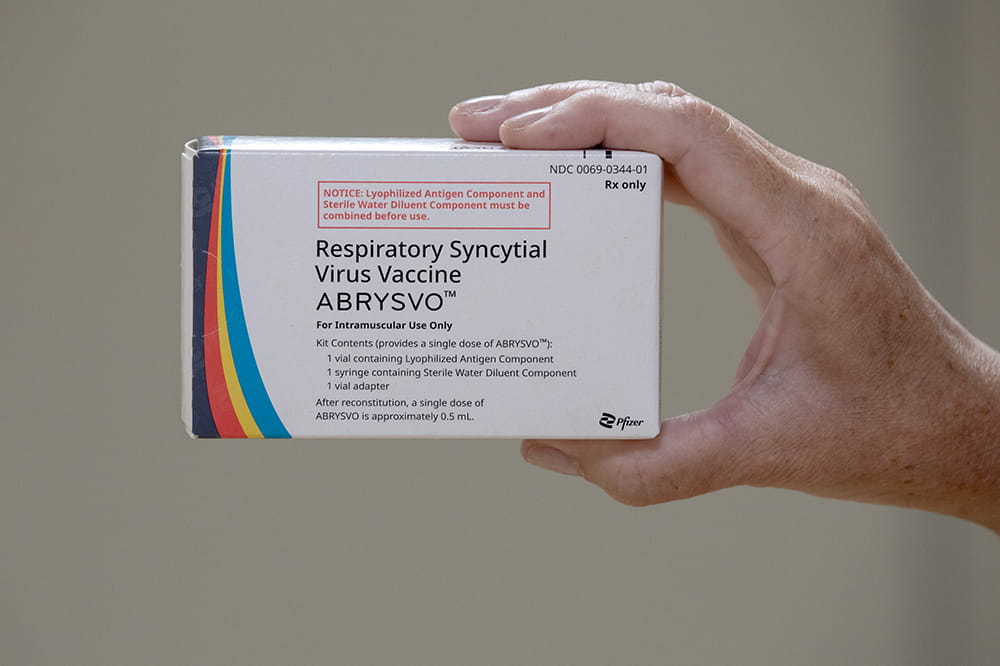
- Abrysvo (Pfizer)
- mResVIA (Moderna)
Eligibility
- Adults aged 75 and older.
- Adults aged 50–74 with underlying conditions such as chronic heart or lung disease, weakened immune systems, or residency in long-term care facilities.
Administration and Timing
- A single dose is recommended for adults.
- Optimal timing is late summer to early fall, prior to the start of RSV season.
Benefits
- Significantly reduces the risk of severe RSV infection, hospitalization, and complications.
- Offers protection during the peak RSV season.
Safety
- The vaccines are generally well-tolerated.
- Common side effects include pain at the injection site, mild fever, fatigue, and muscle aches.
- Rarely, Guillain-Barré Syndrome (GBS) has been observed in adults 60 and older, which is why monitoring and consultation with a healthcare provider are recommended.
RSV Vaccines for Pregnant Women
Pregnant individuals are not only at risk themselves but also play a key role in protecting their infants, who are highly susceptible to RSV in the first six months of life. Vaccination during pregnancy helps transfer protective antibodies to the unborn child.
Recommended Vaccine
- Abrysvo (Pfizer)
Eligibility and Timing
- Recommended for pregnant individuals between 32 and 36 weeks of gestation.
- Administered as a single dose during the RSV season, typically September through January.
Purpose and Benefits
- Protects infants from severe RSV disease in their first months of life.
- Reduces the risk of hospitalization and complications for newborns.
Alternatives
- If vaccination occurs after 36 weeks, infants may receive nirsevimab (Beyfortus), a monoclonal antibody, at birth or during the RSV season.
Safety
- Generally well-tolerated with mild side effects such as pain at the injection site, headache, nausea, or muscle aches.
- Considered safe in the second and third trimesters.
Key Considerations
- Timing is crucial: Both groups benefit most when vaccinated before RSV season.
- High-risk populations: Older adults with chronic conditions and infants of pregnant vaccinated individuals are the main beneficiaries.
- Consult healthcare providers: Individual health status, pregnancy stage, and other medical considerations should guide vaccination.
Conclusion
The development of RSV vaccines for older adults and pregnant women represents a significant advance in preventing severe RSV disease in high-risk populations. For older adults, vaccination reduces the risk of serious complications and hospitalization, while vaccination during pregnancy protects both the mother and the infant through antibody transfer. Awareness, timely administration, and consultation with healthcare providers are key to maximizing the benefits of these vaccines and safeguarding the health of vulnerable populations.
FAQs
1. Who should get the RSV vaccine?
Adults 75 and older, high-risk adults aged 50–74, and pregnant individuals between 32–36 weeks of gestation.
2. Can the vaccine protect newborns?
Yes. Vaccination during pregnancy transfers antibodies to the infant, offering protection during the first six months.
3. How many doses are needed?
A single dose is recommended for both older adults and pregnant individuals.
4. When is the best time to get vaccinated?
Ideally, late summer to early fall, before RSV season begins.
5. Are there side effects?
Most are mild, including pain at the injection site, headache, fatigue, and muscle aches. Rarely, adults may experience Guillain-Barré Syndrome (GBS).