Introduction
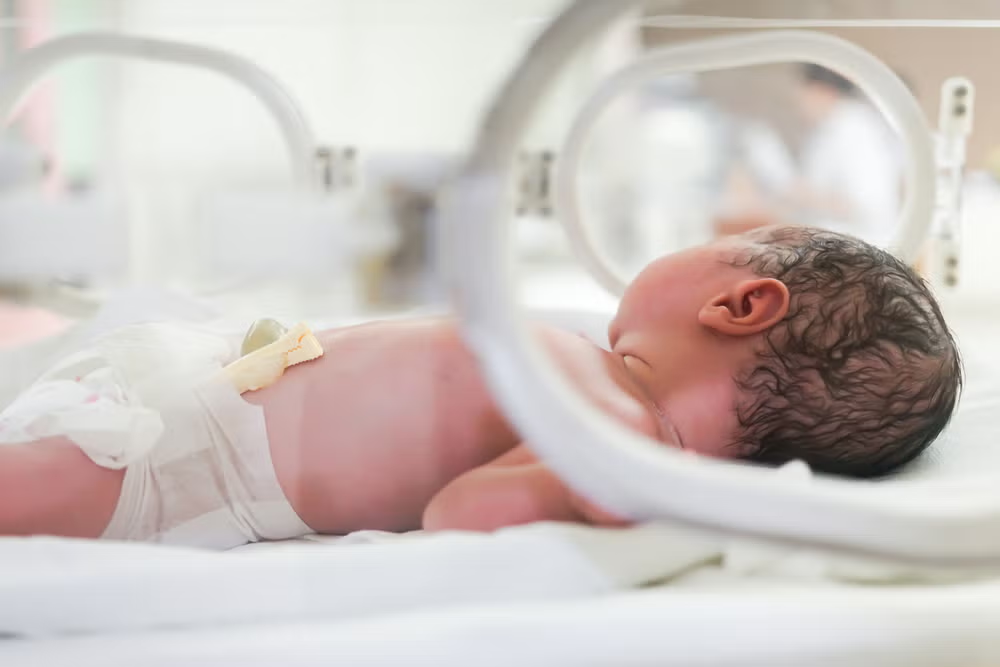
Respiratory Syncytial Virus (RSV) is a common viral infection that primarily affects the respiratory tract. While most healthy children experience mild cold-like symptoms, certain high-risk groups are more vulnerable to severe RSV infections. These include premature infants and children with chronic heart or lung conditions. In these populations, RSV can lead to hospitalization, breathing difficulties, and serious complications, making early recognition and preventive strategies essential.
1. Why High-Risk Groups Are Vulnerable
Premature Infants
- Babies born before 37 weeks gestation have underdeveloped lungs and immune systems, making it harder to fight respiratory infections.
- RSV can quickly progress to bronchiolitis or pneumonia in premature infants.
- These infants often have smaller airways, which increases the risk of obstruction during RSV infection.
Children with Heart or Lung Conditions
- Children with congenital heart disease may struggle with oxygen delivery, making them more susceptible to complications.
- Those with chronic lung disease (e.g., bronchopulmonary dysplasia) may already have compromised lung function.
- RSV infection can exacerbate breathing difficulties, wheezing, and hypoxia, leading to hospitalization.
2. Symptoms of RSV in High-Risk Children
High-risk infants and children may show typical RSV symptoms plus more severe manifestations:
- Runny nose, cough, and congestion
- Rapid or labored breathing, chest retractions, or wheezing
- Bluish color around lips or fingertips (cyanosis)
- Feeding difficulties or refusal to eat
- Lethargy or irritability
- High fever or persistent low-grade fever
3. Complications in High-Risk Groups
Severe RSV can lead to:
- Bronchiolitis: Inflammation of small airways, causing severe breathing difficulty
- Pneumonia: Infection of the lungs, sometimes requiring oxygen therapy
- Apnea: Pauses in breathing, especially in premature infants
- Dehydration: Due to difficulty feeding and fluid loss from fever or rapid breathing
High-risk children are also more likely to require hospitalization, prolonged recovery, or intensive care support.
4. Prevention Strategies
Maternal Vaccination
- Pregnant women can receive RSV vaccines (e.g., Abrysvo) to transfer antibodies to the fetus, protecting infants during the first months of life.
Monoclonal Antibodies for Infants
- Beyfortus (nirsevimab) provides passive immunity to infants at the start of RSV season, reducing hospitalization risk.
General Preventive Measures
- Frequent handwashing and avoiding close contact with sick individuals
- Disinfecting surfaces and toys regularly
- Limiting exposure to crowded places during RSV season
- Avoiding secondhand smoke, which worsens respiratory conditions
5. Managing RSV in High-Risk Children
Home Care (if mild)
- Maintain hydration through breast milk, formula, or fluids
- Use humidifiers to ease congestion
- Perform gentle nasal suctioning for infants
When to Seek Medical Attention
High-risk children should be seen promptly if they exhibit:
- Difficulty breathing, rapid or labored breathing, or wheezing
- Cyanosis (bluish lips or fingertips)
- Poor feeding or signs of dehydration
- Extreme fatigue or irritability
- High or persistent fever
Early hospitalization may involve oxygen therapy, IV fluids, and close monitoring, which can prevent severe complications.
Conclusion
RSV poses a significant threat to premature infants and children with heart or lung conditions. Early recognition of symptoms, preventive measures such as maternal vaccination and monoclonal antibodies, and timely medical intervention are crucial for protecting these high-risk populations. With careful monitoring and supportive care, most children recover safely, but awareness and proactive prevention remain key to reducing severe RSV outcomes.
FAQs
1. Why are premature babies at higher risk for RSV?
Premature infants have underdeveloped lungs and immune systems, making them more susceptible to severe infection.
2. Can RSV worsen heart or lung conditions in children?
Yes, RSV can exacerbate breathing difficulties and oxygen delivery issues in children with heart or lung conditions.
3. What preventive options exist for high-risk infants?
Maternal RSV vaccination and Beyfortus (nirsevimab) monoclonal antibody injections provide protection during the first months of life.
4. When should a high-risk child be hospitalized for RSV?
Seek immediate care if the child shows difficulty breathing, cyanosis, poor feeding, dehydration, or lethargy.
5. Can RSV be prevented through hygiene alone?
Good hygiene helps, but high-risk children may still need vaccination or antibody prophylaxis for optimal protection.