Introduction
Respiratory Syncytial Virus (RSV) is a common cause of lower respiratory tract infections in infants and young children. While most RSV infections are mild, severe cases in infancy, especially those requiring hospitalization, can have long-term consequences. Understanding these potential effects is crucial for parents, caregivers, and healthcare providers to monitor development, manage ongoing health issues, and reduce future complications.
1. Impact on the Respiratory System
Bronchial Hyperreactivity and Asthma Risk
- Infants who experience severe RSV bronchiolitis are at a higher risk of developing recurrent wheezing and asthma later in childhood.
- Studies suggest that RSV infection can cause inflammation and structural changes in the small airways, increasing airway sensitivity.
Chronic Lung Issues
- High-risk infants, particularly those born prematurely or with pre-existing lung conditions, may have long-term reduced lung function.
- Some may experience persistent cough, wheezing, or exercise intolerance for months or years after infection.
2. Increased Susceptibility to Future Respiratory Infections
- Infants who had severe RSV are more prone to subsequent respiratory infections, including colds, flu, and other viral infections.
- Recurrent infections can further affect lung development and overall respiratory health.
3. Hospitalization and Intensive Care Impact
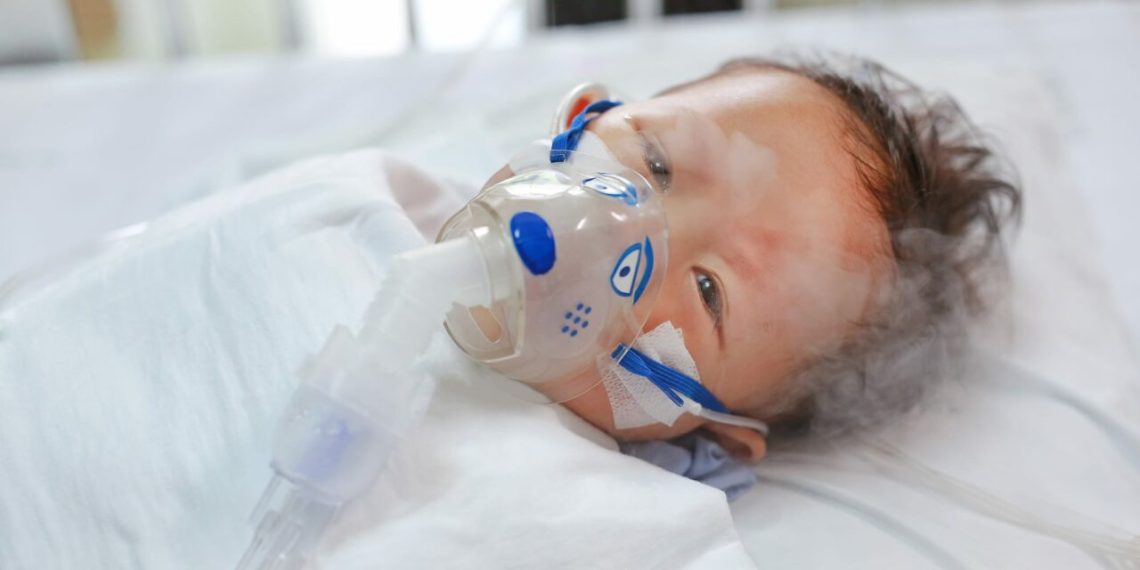
- Severe RSV often requires mechanical ventilation or oxygen therapy, which can have both physical and psychological effects.
- Prolonged hospitalization may lead to feeding difficulties, delayed growth, and anxiety in both infants and parents.
4. Developmental and Immune System Considerations
Growth and Nutrition
- Severe RSV can temporarily affect weight gain and feeding habits, particularly in premature infants or those with prolonged hospital stays.
Immune System Sensitization
- Early-life severe RSV may prime the immune system in ways that influence responses to future respiratory infections.
- While research is ongoing, some children may have heightened airway reactivity or altered immune responses later in life.
5. Psychological and Family Impact
- Hospitalization and illness can contribute to parental stress, anxiety, and sleep disruption.
- Some infants may develop mild behavioral sensitivity to illness or medical procedures, which usually resolves with time and support.
6. Preventive Measures to Reduce Long-Term Risk
- Maternal RSV vaccination during pregnancy transfers protective antibodies to the infant.
- Beyfortus (nirsevimab) monoclonal antibody provides passive immunity to high-risk infants entering RSV season.
- Avoiding exposure to RSV and other respiratory viruses through hand hygiene, limiting contact with sick individuals, and avoiding crowded places.
- Early intervention for wheezing or asthma symptoms can help reduce long-term complications.
Conclusion
Severe RSV in infancy can have lasting effects on respiratory health, including increased risk of wheezing, asthma, and recurrent respiratory infections. Infants with high-risk conditions, such as prematurity or chronic lung disease, are particularly vulnerable. Preventive measures, early monitoring, and timely medical care are essential to mitigate long-term consequences and support healthy development. Awareness and proactive management can help families navigate the potential challenges following severe RSV infection.
FAQs
1. Does every infant with RSV develop long-term complications?
No, most infants recover fully, but severe cases, especially those requiring hospitalization, carry higher risks.
2. Can severe RSV in infancy lead to asthma?
Yes, studies show a higher likelihood of recurrent wheezing and asthma later in childhood.
3. Are premature infants at higher risk for long-term effects?
Yes, preterm infants are more vulnerable to chronic lung issues and recurrent respiratory infections.
4. How can parents reduce long-term risks?
Preventive measures like maternal vaccination, Beyfortus, good hygiene, and early medical care for respiratory symptoms help reduce risks.
5. Should children who had severe RSV be monitored long-term?
Yes, follow-up with a pediatrician is recommended to monitor lung function, growth, and early signs of asthma or respiratory issues.