Introduction
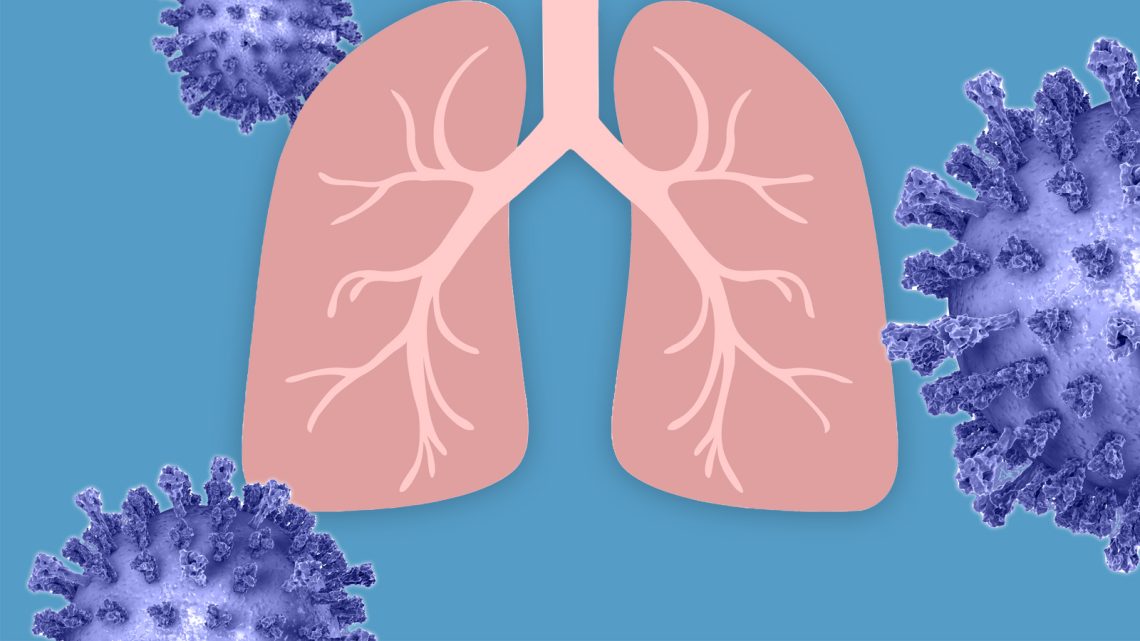
Respiratory Syncytial Virus (RSV) is a highly contagious virus that primarily affects the respiratory system. It is a major cause of hospitalization in infants, young children, and older adults, particularly those with underlying health conditions. RSV infections often occur in seasonal patterns, making it important for families and healthcare providers to understand when RSV season occurs and how to prepare for it. Proper timing of preventive measures and awareness of high-risk periods can significantly reduce severe illness.
1. When Does RSV Season Occur?
RSV season varies by geographic location and climate:
- Northern Hemisphere (e.g., North America, Europe): Typically begins late fall (October–November), peaks in December–February, and tapers off in March–April.
- Southern Hemisphere (e.g., Australia, South America): Often begins in April–May, peaks in June–August, and declines by September.
- Tropical Regions: RSV may circulate year-round, with smaller peaks during rainy seasons.
Understanding local RSV season trends helps caregivers and healthcare providers time vaccinations, prophylactic antibodies, and protective measures effectively.
2. Who Is Most at Risk During RSV Season
High-risk groups include:
- Infants under 6 months, especially premature babies
- Children with chronic heart or lung conditions
- Older adults, particularly those over 65 years
- Individuals with weakened immune systems
These populations are more likely to develop severe RSV, leading to hospitalization and complications.
3. Preparedness Strategies for Families
Preventive Measures
- Maternal Vaccination: Pregnant women can receive RSV vaccines (e.g., Abrysvo) to provide antibodies to the infant.
- Infant Monoclonal Antibodies: Beyfortus (nirsevimab) offers passive immunity to infants entering RSV season.
- Hygiene Practices:
- Frequent handwashing before handling infants
- Disinfecting surfaces, toys, and pacifiers
- Avoiding contact with sick individuals
Limiting Exposure
- Restrict visitors during RSV season, particularly for newborns or high-risk infants
- Avoid crowded indoor spaces when possible
- Encourage mask use for adults with mild respiratory symptoms
Health Monitoring
- Parents should monitor for early RSV symptoms: runny nose, cough, congestion, fever, or wheezing
- Seek medical care promptly if difficulty breathing, cyanosis, poor feeding, or lethargy occurs
4. Preparedness Strategies for Healthcare Providers
- Educate caregivers about RSV season, symptoms, and preventive measures
- Schedule monoclonal antibody administration at the start of RSV season for eligible infants
- Plan for increased hospital admissions among high-risk populations during peak months
- Ensure adequate staffing, PPE, and equipment to manage RSV-related respiratory illnesses
5. Timing Preventive Interventions
- Maternal vaccination: Administered between 32–36 weeks gestation for optimal antibody transfer.
- Beyfortus (nirsevimab): Given at the start of RSV season to cover peak months.
- Older adult vaccines (Arexvy, Abrysvo, mResVIA): Recommended late summer to early fall, prior to RSV season.
Proper timing ensures maximum protection during peak infection periods.
Conclusion
RSV season is a predictable period when infections surge, particularly among infants, high-risk children, and older adults. Awareness of seasonal timing, high-risk groups, and preventive measures allows families and healthcare providers to be proactive. By vaccinating, administering monoclonal antibodies, practicing good hygiene, and monitoring symptoms, severe RSV infections and hospitalizations can be significantly reduced. Preparedness is key to keeping vulnerable populations safe during RSV season.
FAQs
1. When does RSV season start and end?
In the Northern Hemisphere, late fall to early spring (October–April). Timing varies by region.
2. Can RSV occur outside of the typical season?
Yes, especially in tropical climates or in unseasonal outbreaks.
3. Who should receive preventive RSV interventions?
High-risk infants, pregnant women, and older adults with underlying conditions.
4. How can parents reduce RSV risk at home?
Frequent handwashing, limiting exposure to sick individuals, and cleaning surfaces and toys.
5. Why is timing important for RSV prevention?
Vaccines and monoclonal antibodies are most effective when given before the peak RSV season to ensure maximum protection.