Introduction
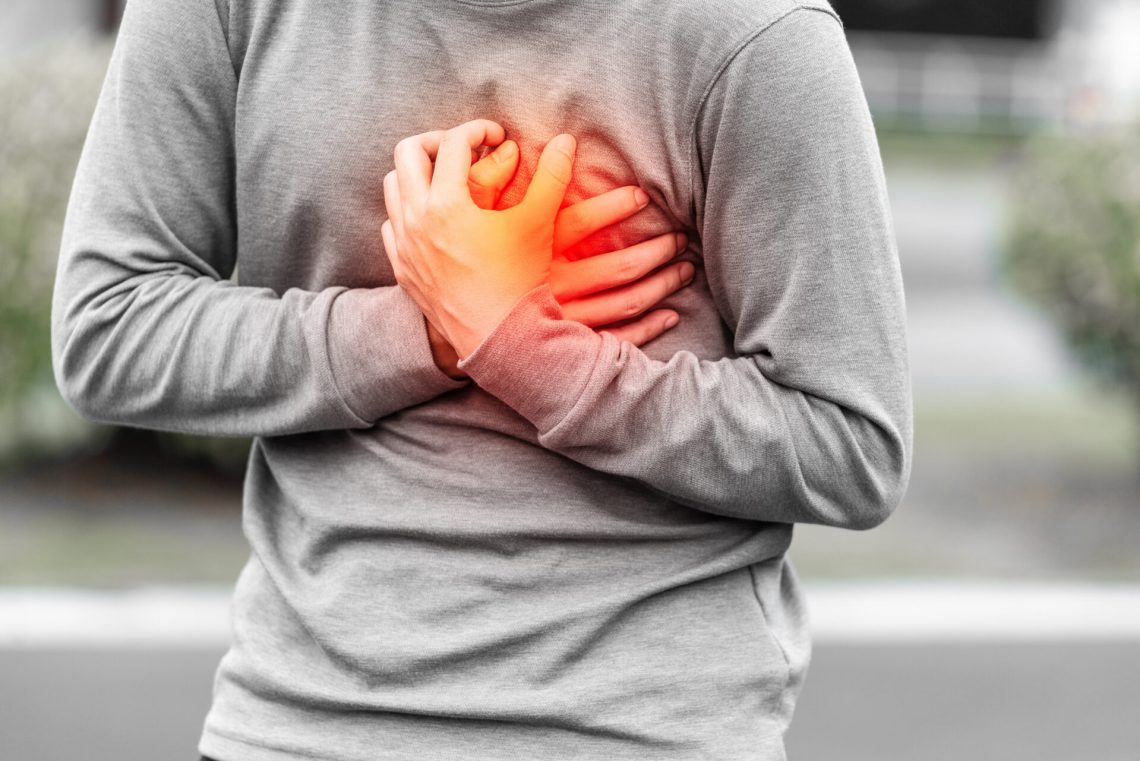
Chest pain can be one of the most alarming symptoms a person experiences. While many cases are caused by non-cardiac issues such as indigestion, muscle strain, or anxiety, chest pain can also be a warning sign of a heart attack or other serious cardiac condition. Understanding how to distinguish between cardiac and non-cardiac chest pain can help you decide when to seek emergency care and when it may be something less serious.
Why Chest Pain Should Never Be Ignored
Heart disease remains the leading cause of death worldwide, and chest pain is its hallmark warning sign. Because early treatment dramatically improves survival rates, it is critical to treat any sudden or unexplained chest pain as potentially serious until proven otherwise.
Features of Cardiac Chest Pain (Possible Heart Attack)
Cardiac chest pain, often called angina or myocardial infarction pain, typically presents with:
- Location: Central or left side of the chest.
- Quality: Pressure, squeezing, heaviness, tightness, or burning—not usually sharp.
- Radiation: May spread to the left arm, neck, jaw, shoulder, or back.
- Duration: Usually lasts more than a few minutes and may come in waves.
- Associated symptoms:
- Shortness of breath
- Sweating
- Nausea or vomiting
- Lightheadedness or fainting
- Cold, clammy skin
🚨 Red flag: If chest pain starts suddenly, is severe, and is accompanied by these symptoms, call emergency services immediately.
Features of Non-Cardiac Chest Pain
Non-cardiac chest pain is common and can mimic heart symptoms, but the causes are usually less dangerous.
1. Gastrointestinal Causes
- Acid reflux/GERD: Burning sensation behind the breastbone, worse after eating or lying down.
- Gas or indigestion: Sharp, cramp-like discomfort often relieved by passing gas or bowel movement.
2. Musculoskeletal Causes
- Muscle strain or injury: Localized pain that worsens with movement, touch, or deep breathing.
- Costochondritis: Inflammation of chest cartilage, producing sharp, stabbing pain.
3. Pulmonary Causes
- Lung infections (pneumonia, bronchitis): Pain with breathing, coughing, and fever.
- Pulmonary embolism (blood clot): Sudden sharp chest pain with shortness of breath—requires emergency attention.
4. Anxiety or Panic Attacks
- Chest tightness, rapid heartbeat, sweating, and shortness of breath that peak within minutes.
- May feel similar to a heart attack but usually resolves after calming down.
How Doctors Diagnose Chest Pain
If you go to the hospital with chest pain, doctors may order:
- Electrocardiogram (ECG/EKG): Measures heart rhythm and detects heart attack changes.
- Blood tests (troponin levels): Identify heart muscle damage.
- Chest X-ray: Looks for lung infections or other abnormalities.
- Stress tests or echocardiogram: Assess heart function.
- Endoscopy or pH monitoring: For reflux-related pain.
When to Seek Emergency Help
Call emergency services immediately if you have chest pain with:
- Pressure, squeezing, or fullness in the chest lasting more than a few minutes.
- Pain radiating to the arm, neck, jaw, or back.
- Shortness of breath, nausea, or sweating.
- Dizziness or fainting.
- History of heart disease, high blood pressure, diabetes, or smoking.
Conclusion
Chest pain can arise from many sources, but it should never be ignored. While non-cardiac causes like acid reflux, anxiety, or muscle strain are common, chest pain may also be the first sign of a life-threatening heart attack. The safest approach is to treat any sudden, severe, or unexplained chest pain as an emergency and seek medical care immediately. Early recognition and prompt action can save lives.
FAQs
1. How do I know if my chest pain is heart-related?
If it feels like pressure or heaviness, radiates to the arm/jaw, and is associated with shortness of breath or sweating, it may be heart-related.
2. Can heartburn feel like a heart attack?
Yes, acid reflux can mimic heart pain, but unlike a heart attack, it often worsens after meals and improves with antacids.
3. Is sharp stabbing pain in the chest usually heart-related?
Not typically. Heart pain is more often described as pressure or squeezing, while stabbing pain is usually musculoskeletal or nerve-related.
4. Should I call an ambulance for mild chest pain?
Yes, if the pain is new, unexplained, or accompanied by other symptoms like dizziness or shortness of breath, call emergency services.
5. Can stress or panic attacks cause chest pain?
Yes. Anxiety and panic attacks can mimic heart pain, but medical evaluation is needed to rule out cardiac causes.