Introduction
Chest pain is often alarming because it can signal serious heart or lung conditions. However, not all chest pain is cardiac or respiratory in origin. A common and usually less dangerous cause is musculoskeletal chest pain, which arises from the muscles, bones, joints, or connective tissues of the chest wall. While uncomfortable, this type of pain is often treatable with rest, simple home measures, and sometimes medical therapy. Understanding the causes and relief strategies can help distinguish it from more urgent conditions.
What Is Musculoskeletal Chest Pain
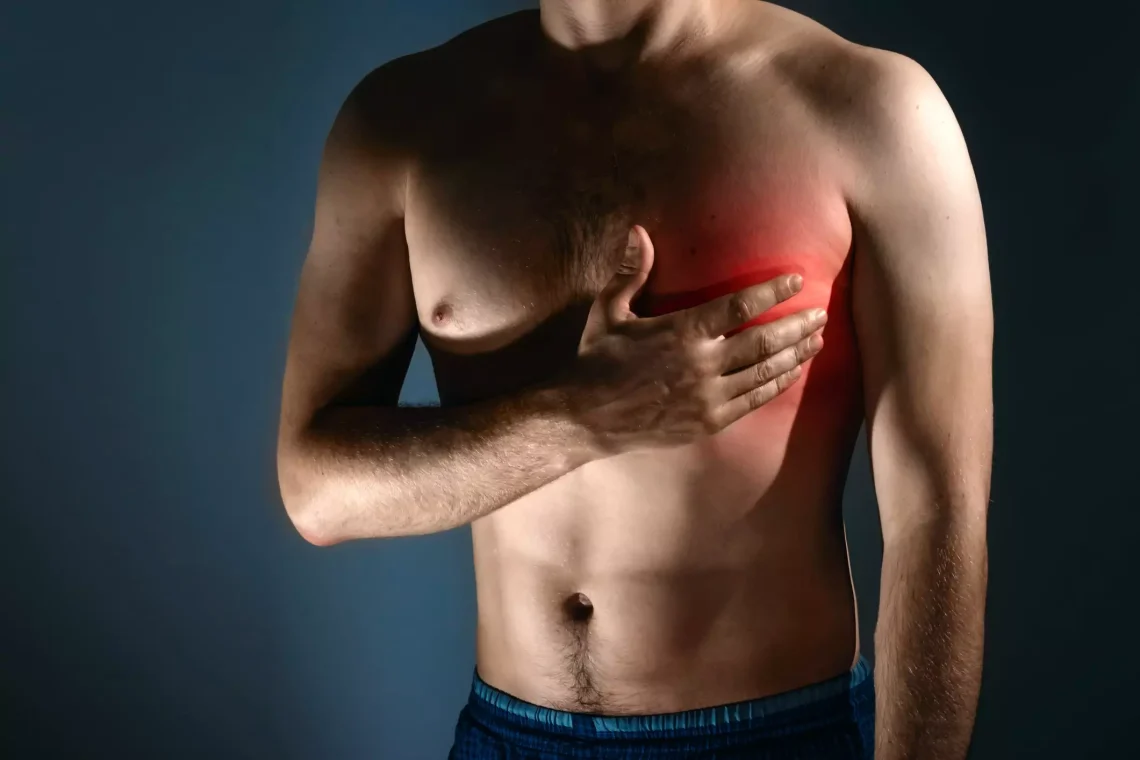
Musculoskeletal chest pain refers to discomfort that originates in the muscles, ribs, cartilage, or joints of the chest wall. Unlike heart-related pain, it often worsens with movement, pressure on the chest, or deep breathing, and it may be localized to a specific area.
Common Causes
1. Muscle Strain
- Often due to overuse, heavy lifting, sports, or sudden movements.
- Pain is localized and worsens with certain motions.
2. Rib Injury
- Can result from trauma, falls, or forceful coughing.
- Bruised or fractured ribs cause sharp pain, especially with breathing or movement.
3. Costochondritis
- Inflammation of the cartilage connecting the ribs to the breastbone.
- Produces sharp or aching pain, often reproducible by pressing the chest.
4. Poor Posture
- Slouching or sitting hunched for long periods can strain chest muscles.
5. Repetitive Strain
- Certain sports (rowing, weightlifting) or activities (typing, lifting) may cause repeated stress injuries.
Symptoms of Musculoskeletal Chest Pain
- Pain that worsens with movement, coughing, or deep breathing.
- Tenderness when pressing on the chest or ribs.
- Localized discomfort (unlike cardiac pain, which is often diffuse or radiating).
- Pain relief with rest or certain positions.
Relief and Management
1. Rest and Activity Modification
- Avoid heavy lifting or movements that worsen the pain.
- Gradually return to activity as symptoms improve.
2. Heat or Cold Therapy
- Ice packs in the first 48 hours after injury reduce inflammation.
- Heat packs help relax muscles and improve blood flow in chronic pain.
3. Over-the-Counter Pain Relief
- NSAIDs (ibuprofen, naproxen) reduce pain and inflammation.
- Acetaminophen may be used if NSAIDs are not tolerated.
4. Gentle Stretching and Posture Correction
- Light stretching exercises can ease muscle tightness.
- Ergonomic adjustments (desk, chair, sleeping position) prevent strain.
5. Supportive Care for Rib Injuries
- Deep breathing exercises prevent lung complications (like pneumonia) if ribs are fractured.
- Wrapping or tightly binding the chest is not recommended, as it can restrict breathing.
6. Physical Therapy
- Strengthening exercises, massage, and posture training may help with chronic pain.
When to Seek Medical Help
While musculoskeletal chest pain is usually benign, consult a doctor if:
- The pain is sudden, severe, or unfamiliar.
- You suspect a rib fracture (severe pain, difficulty breathing after trauma).
- The pain is accompanied by shortness of breath, dizziness, sweating, or radiating discomfort (to rule out cardiac causes).
- Pain persists for more than a few weeks despite home care.
Conclusion
Musculoskeletal chest pain is often caused by strain, rib injuries, or inflammation of chest wall structures. Though it can feel frightening, it is usually less serious than cardiac causes of chest pain. With rest, heat/cold therapy, OTC pain relief, and posture correction, most cases improve significantly. Still, because chest pain can signal life-threatening conditions, it is always best to seek medical advice if you are uncertain.
FAQs
1. How do I know if my chest pain is muscular or heart-related?
Musculoskeletal pain is usually sharp, localized, worsens with movement or pressure, and improves with rest—unlike heart pain, which feels like pressure or heaviness.
2. Can rib injuries heal on their own?
Yes, most bruised or fractured ribs heal with rest in 4–6 weeks, though pain management is important.
3. Does poor posture really cause chest pain?
Yes. Slouching can strain chest wall muscles and lead to discomfort over time.
4. Should I use heat or ice for chest wall pain?
Use ice for acute injuries (first 48 hours) and heat for chronic pain or muscle tension.
5. When should chest wall pain be checked by a doctor?
If pain is severe, persistent, after trauma, or accompanied by symptoms like shortness of breath or dizziness, seek medical care immediately.