Introduction
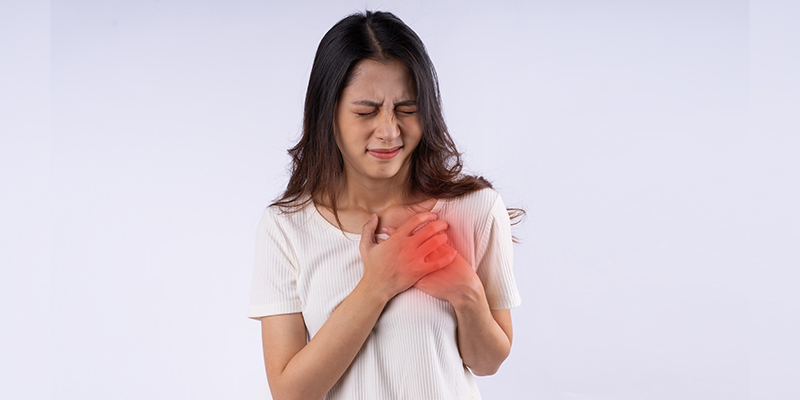
Heart disease is the leading cause of death among women worldwide, yet it is often underrecognized. While chest pain is the hallmark symptom of a heart attack, women frequently experience atypical or subtle symptoms that may not be immediately linked to the heart. These differences can delay diagnosis and treatment, putting women at higher risk of complications. Understanding the unique ways heart attacks present in women is essential for timely recognition and care.
Why Women’s Symptoms Can Differ
Biological and hormonal differences affect how women experience heart disease:
- Smaller coronary arteries may cause microvascular disease rather than large blockages.
- Hormonal influences, especially estrogen, can alter vascular function.
- Women are also more likely to have coexisting conditions such as diabetes or autoimmune disease that modify symptom patterns.
Typical vs. Atypical Symptoms
Classic “Male-pattern” Heart Attack Symptoms
- Heavy or crushing chest pain
- Pressure or squeezing sensation
- Pain radiating to the left arm or jaw
- Shortness of breath
Atypical Symptoms More Common in Women
- Chest discomfort (burning, aching, or sharp instead of crushing pain)
- Unusual fatigue (sudden or extreme tiredness, even days before the event)
- Nausea, vomiting, or indigestion-like discomfort
- Pain in the back, shoulders, or neck
- Dizziness or lightheadedness
- Shortness of breath without chest pain
Why Atypical Symptoms Are Overlooked
- Women may attribute symptoms to stress, indigestion, or aging.
- Healthcare providers may initially misdiagnose symptoms as anxiety, acid reflux, or musculoskeletal pain.
- Heart disease has historically been studied more in men, leading to gaps in recognition for women.
When to Seek Emergency Help
Women should call 911 (or local emergency services) if they experience:
- Any unexplained chest discomfort, even if mild.
- Sudden shortness of breath, nausea, or dizziness.
- Back, neck, or jaw pain with no obvious cause.
- Severe fatigue that feels unusual or overwhelming.
⚠️ Important: Don’t wait for “classic” crushing chest pain—women’s symptoms can be different, but just as dangerous.
Prevention and Awareness
- Know your risk factors: diabetes, high blood pressure, high cholesterol, obesity, smoking, family history.
- Adopt heart-healthy habits: balanced diet, regular physical activity, stress management, and quality sleep.
- Regular screenings: blood pressure, cholesterol, and glucose checks are especially important for women over 40 or with risk factors.
- Advocate for yourself: if symptoms feel wrong, insist on a thorough evaluation.
Conclusion
Chest pain in women is often different from the textbook description of a heart attack. Subtle signs like fatigue, nausea, or back pain may be the only warning. By recognizing these atypical symptoms and acting quickly, women can significantly reduce the risk of severe complications. Awareness—among both patients and healthcare providers—is the key to saving lives.
FAQs
1. Do women always feel chest pain during a heart attack?
No. Some women have little or no chest pain, instead experiencing symptoms like fatigue, nausea, or shortness of breath.
2. Why do women’s heart attack symptoms differ from men’s?
Differences in blood vessel size, hormonal effects, and disease patterns (like microvascular disease) contribute to varied symptoms.
3. Are younger women at risk of heart attacks?
Yes, especially if they smoke, have diabetes, high blood pressure, or a strong family history.
4. Can indigestion-like symptoms be a sign of a heart attack in women?
Yes. What feels like heartburn or stomach upset can sometimes be heart-related.
5. What’s the safest step if I’m unsure about chest discomfort?
Call emergency services immediately—better to be checked and safe than to risk missing a heart attack.