Introduction
The BRAT diet—Bananas, Rice, Applesauce, and Toast—has long been recommended for managing diarrhea. Its appeal comes from being bland, low-fiber, and easy to digest, which can help reduce irritation of the digestive tract. However, recent research and nutrition guidelines have questioned whether this restrictive diet is still the best approach, especially for children and adults needing adequate nutrition during illness.
What is the BRAT Diet?
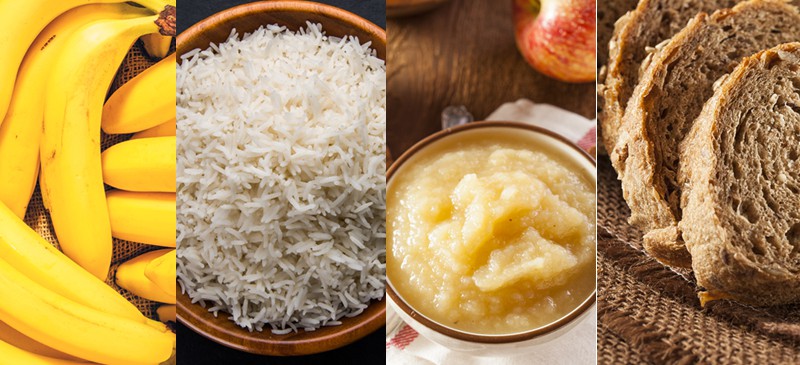
- B – Bananas: Provide potassium and soluble fiber, helping replace electrolytes lost in diarrhea.
- R – Rice: A binding, low-fiber food that can help bulk up stools.
- A – Applesauce: Contains pectin, which may slow diarrhea, and is gentle on the stomach.
- T – Toast: Provides carbohydrates for energy without irritating the gut.
Traditionally, the BRAT diet was recommended for 1–2 days after the onset of diarrhea.
Why It Was Recommended
- Gentle on the stomach, unlikely to worsen diarrhea.
- Helps replace lost potassium and energy.
- Easy to digest and unlikely to trigger further gastrointestinal upset.
Limitations of the BRAT Diet
- Nutritionally limited: Lacks protein, fat, vitamins, and minerals needed for recovery.
- Not suitable for prolonged use: The Extended BRAT diet can lead to malnutrition, especially in children.
- May slow recovery: Limited fiber and protein may not support gut healing as well as a more balanced diet.
Modern Recommendations for Diet During Diarrhea
- Eat a balanced diet as soon as tolerated, rather than sticking strictly to BRAT:
- Carbohydrates: Rice, oatmeal, toast, crackers.
- Fruits and vegetables: Bananas, cooked carrots, peeled apples.
- Protein: Lean meats, eggs, yogurt.
- Fluids and electrolytes: Water, oral rehydration solutions, broths.
- Continue to avoid:
- Fatty, greasy, or fried foods.
- Highly sweetened foods or drinks.
- Dairy if lactose intolerance worsens symptoms.
- Short-term BRAT use is acceptable for very early symptom relief, but transitioning to a nutrient-rich diet is preferred.
Tips for Recovery
- Stay hydrated – Replace lost fluids with water, ORS, or clear broths.
- Eat small, frequent meals – Easier on the digestive tract than large meals.
- Include probiotic foods – Yogurt or kefir may help restore healthy gut bacteria.
- Avoid irritants – Alcohol, caffeine, and highly spicy foods can prolong diarrhea.
Conclusion
The BRAT diet can provide temporary relief during the early stages of diarrhea due to its blandness and digestibility. However, it is nutritionally incomplete, and current guidelines recommend transitioning to a balanced diet as soon as symptoms allow. Proper hydration, gradual reintroduction of diverse foods, and continued monitoring are key to a safe and speedy recovery.
FAQs
1. Can I only eat BRAT foods for several days?
No, prolonged use can lead to nutrient deficiencies; a balanced diet should be followed once tolerated.
2. Is the BRAT diet suitable for children?
It can be used for short-term relief, but children should resume normal nutrition quickly to prevent malnutrition.
3. Can the BRAT diet prevent diarrhea?
No, it helps manage symptoms but does not prevent diarrhea.
4. Should I avoid all other foods while on BRAT?
You can introduce gentle, easy-to-digest foods like boiled potatoes, oatmeal, or yogurt alongside BRAT items.
5. How long should I follow the BRAT diet?
Typically, 1–2 days, then gradually return to a nutrient-rich diet.