Introduction
Diarrhea is a common gastrointestinal issue that can occur due to infections, antibiotic use, digestive disorders, or dietary changes. While most cases are short-lived, some can become prolonged or recurrent, leading to discomfort, dehydration, and disruption in daily life. In recent years, probiotics—often referred to as “good bacteria”—have gained attention as a natural remedy for managing diarrhea and restoring gut health.
But do probiotics really help with diarrhea? What types are most effective, and when should they be used? This article explores how probiotics work, their benefits, scientific evidence behind their use in diarrhea, and the best ways to take them for maximum effectiveness.
Understanding Probiotics
What Are Probiotics?
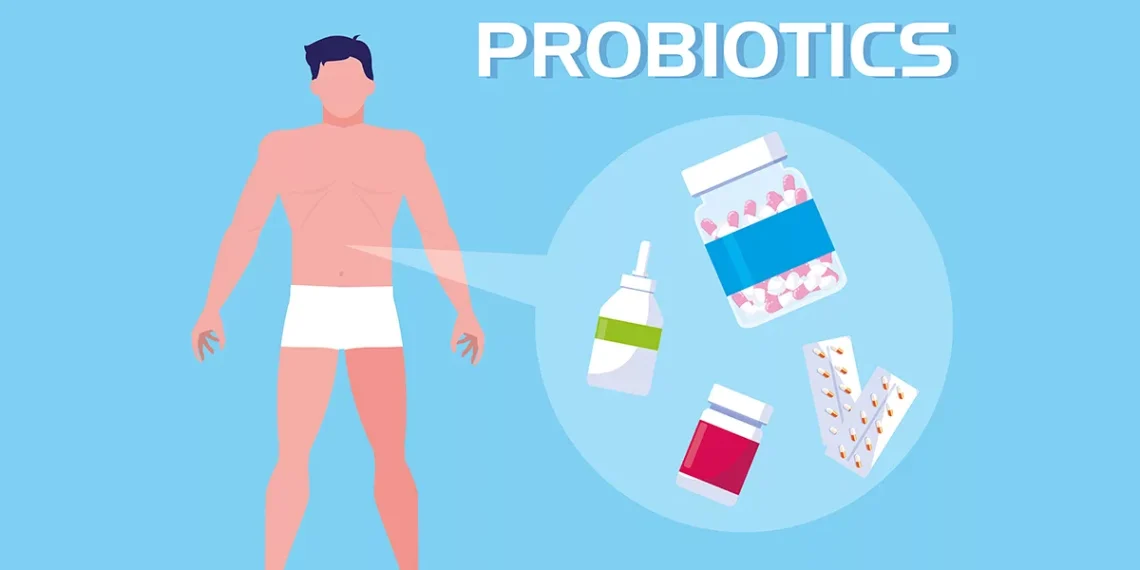
Probiotics are live microorganisms that provide health benefits when consumed in adequate amounts. They are naturally present in the human gut but can also be obtained from fermented foods (like yogurt, kefir, kimchi, and sauerkraut) or dietary supplements.
Common probiotic strains include:
- Lactobacillus species (e.g., L. rhamnosus, L. acidophilus)
- Bifidobacterium species (e.g., B. bifidum, B. longum)
- Saccharomyces boulardii (a beneficial yeast)
These microorganisms help maintain a balanced gut microbiome—a key factor in digestive health and immune function.
The Role of Gut Microbiota in Diarrhea
The gut microbiota—a community of trillions of microorganisms living in the intestines—plays a crucial role in digestion, nutrient absorption, and protection against harmful pathogens.
When this balance is disrupted (a condition called dysbiosis), harmful bacteria can multiply, leading to digestive symptoms such as diarrhea, bloating, and cramps. Factors that can disturb gut flora include:
- Antibiotic use
- Infections (bacterial, viral, or parasitic)
- Stress
- Poor diet
- Underlying gastrointestinal diseases
Probiotics help restore microbial balance and strengthen the intestinal barrier, thereby reducing the severity and duration of diarrhea.
How Probiotics Help in Diarrhea
Probiotics work through multiple mechanisms that collectively promote gut health and prevent diarrhea:
- Restoration of Healthy Gut Flora:
After infection or antibiotic use, probiotics replenish beneficial bacteria, restoring microbial balance. - Inhibition of Pathogens:
Certain probiotic strains produce antimicrobial substances and compete with harmful bacteria for nutrients and adhesion sites on the intestinal lining. - Enhanced Immune Response:
Probiotics stimulate the body’s immune system, enhancing the ability to fight infections that cause diarrhea. - Improved Gut Barrier Function:
They strengthen the intestinal lining, reducing permeability (“leaky gut”) and preventing toxins from entering the bloodstream. - Reduced Inflammation:
By regulating inflammatory responses in the gut, probiotics can reduce irritation and frequency of bowel movements.
Types of Diarrhea Where Probiotics Are Effective
Scientific research supports probiotic use for several types of diarrhea, though effectiveness varies depending on the strain and condition.
1. Antibiotic-Associated Diarrhea (AAD)
Antibiotics not only kill harmful bacteria but also destroy beneficial gut microbes, leading to diarrhea in up to 30% of patients.
Probiotics such as Lactobacillus rhamnosus GG and Saccharomyces boulardii have been shown to:
- Reduce the risk of AAD
- Shorten its duration
- Help restore normal gut flora
2. Infectious (Acute) Diarrhea
Caused by bacteria, viruses, or parasites, acute infectious diarrhea is common in both children and adults.
Studies show that probiotics can:
- Shorten the duration of infectious diarrhea by 1–2 days
- Reduce stool frequency
- Help the gut recover faster after infection
3. Traveler’s Diarrhea
Probiotics may help prevent traveler’s diarrhea, especially in individuals visiting high-risk areas. While not a substitute for hygiene measures, Saccharomyces boulardii has demonstrated some preventive benefit.
4. Chronic and Functional Diarrhea
For people with Irritable Bowel Syndrome with diarrhea (IBS-D), certain probiotic strains can help:
- Reduce bowel urgency and frequency
- Alleviate bloating and abdominal pain
- Improve overall gut comfort
5. Diarrhea in Children
Probiotics are widely used in pediatrics to treat diarrhea, especially viral gastroenteritis.
Lactobacillus rhamnosus GG and Bifidobacterium lactis are safe and effective for children.
Scientific Evidence and Effectiveness
Multiple clinical trials and meta-analyses have evaluated the role of probiotics in diarrhea management.
Key findings include:
- Probiotics can reduce diarrhea duration by 25–30% in acute cases.
- Saccharomyces boulardii and Lactobacillus rhamnosus GG are the most studied and effective strains for both children and adults.
- They are particularly beneficial when started early in the course of diarrhea or alongside antibiotic therapy.
- Effectiveness depends on strain specificity and dosage—not all probiotics work the same way.
Choosing the Right Probiotic
When selecting a probiotic for diarrhea, consider the following factors:
- Proven Strains: Look for clinically tested strains like Lactobacillus rhamnosus GG, Saccharomyces boulardii, or Bifidobacterium bifidum.
- Adequate CFU Count: Choose products with at least 10–20 billion CFUs (colony-forming units) per serving for therapeutic effect.
- Storage and Expiry: Check whether the probiotic needs refrigeration and ensure it’s within its shelf life.
- Quality Brand: Select products from reputable companies with third-party testing and clear labeling.
- Formulation: Capsules or sachets are often more stable than probiotic drinks for travel and medical use.
Always consult a healthcare professional before starting probiotics, especially for individuals with weakened immune systems.
Safety and Side Effects
Probiotics are generally safe for most people. However, mild side effects can occur, such as:
- Temporary bloating or gas
- Mild digestive discomfort
People with compromised immunity (e.g., cancer patients, transplant recipients) should use probiotics only under medical supervision, as rare infections can occur.
How to Take Probiotics for Diarrhea
- Start early: Begin at the first sign of diarrhea or when starting antibiotics.
- Consistency matters: Take probiotics daily during treatment and for 1–2 weeks afterward.
- Combine with hydration: Continue oral rehydration solutions to prevent dehydration.
- Diet support: Eat probiotic-rich foods like yogurt, kefir, and fermented vegetables to enhance benefits.
Conclusion
Probiotics can play a significant role in preventing and treating various types of diarrhea, from antibiotic-associated to infectious and functional causes. By restoring healthy gut flora, strengthening intestinal barriers, and supporting immune defense, probiotics offer a natural, safe, and effective therapeutic option.
While they are not a substitute for medical treatment in severe cases, probiotics serve as a valuable adjunct therapy that can speed recovery and improve digestive health. Selecting the right strain, dosage, and duration—under professional guidance—can help you achieve the best results for a balanced, resilient gut.
FAQs
1. Can probiotics stop diarrhea immediately?
No. Probiotics don’t stop diarrhea instantly but can help shorten its duration and reduce severity when taken early.
2. Which probiotic strains are best for diarrhea?
Lactobacillus rhamnosus GG and Saccharomyces boulardii have the strongest evidence for preventing and treating diarrhea.
3. Should I take probiotics with antibiotics?
Yes. Taking probiotics during and after antibiotic use can prevent antibiotic-associated diarrhea and restore gut balance.
4. Are probiotics safe for children?
Yes. Many strains are safe for children, especially for managing viral diarrhea, but always check with a pediatrician first.
5. Can I get probiotics naturally from food?
Absolutely. Yogurt, kefir, kimchi, miso, and sauerkraut are rich in natural probiotics that support gut health.