Introduction
A sore throat is one of the most common discomforts people experience, especially during the colder months or in air-conditioned environments. While viral infections and allergies are frequent causes, dry air is an often-overlooked contributor. When humidity levels drop—whether in winter, desert climates, or indoor spaces with air conditioning your throat loses moisture, leading to irritation, scratchiness, and pain. Understanding how dry air affects the throat and knowing how to use a humidifier safely can help prevent discomfort and improve overall respiratory health.
This article explores the link between dry air and sore throats, the benefits of humidifier use, practical prevention strategies, and tips to create a healthy indoor environment.
Understanding the Link Between Dry Air and Sore Throat
How Dry Air Affects the Throat
When the air lacks sufficient humidity, it draws moisture from the tissues of the nose, mouth, and throat. This causes:
- Throat dryness and irritation
- Difficulty swallowing
- Increased coughing
- Hoarseness or voice changes
Dry air also thickens mucus, making it harder for the throat and nasal passages to stay lubricated. Over time, this irritation can lead to inflammation, especially during sleep.
Who Is Most at Risk?
Individuals more likely to develop sore throats caused by dry air include:
- People living in arid climates
- Those who sleep with the air conditioner or heater on
- Individuals with allergies, asthma, or sinusitis
- Children and older adults, whose mucous membranes may be more sensitive
Signs Your Sore Throat May Be Due to Dry Air
A sore throat caused by dry air often shows specific symptoms:
- Worse in the morning after waking up
- Feels “scratchy” rather than painful
- Improves after drinking water or being outdoors
- Occurs without fever or other infection symptoms
- Accompanied by dry nose, dry skin, or nosebleeds
If these signs match your symptoms, dry air may be the trigger rather than an infection.
How Humidifiers Help Relieve and Prevent Sore Throat
Restoring Moisture in the Air
Humidifiers increase indoor humidity, helping keep the throat and nasal passages moist. This:
- Prevents irritation during breathing
- Reduces throat inflammation
- Helps thin mucus
- Promotes comfortable sleep
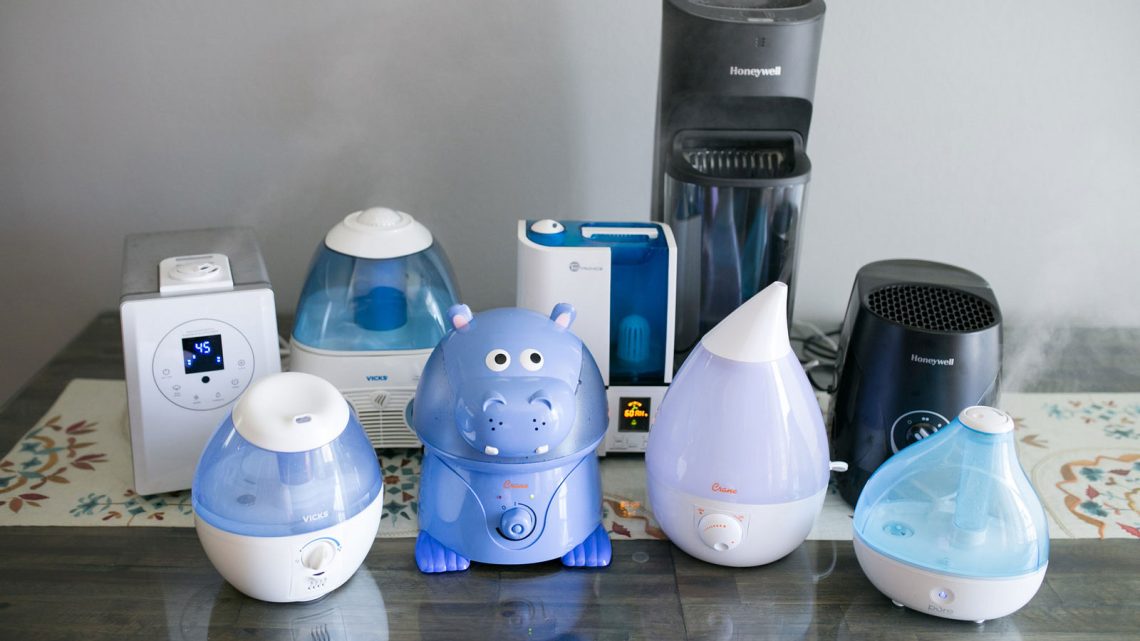
Types of Humidifiers
- Cool Mist Humidifiers
- Safest option for homes
- Recommended for children
- Energy-efficient
- Warm Mist Humidifiers
- Provide warm steam
- Can soothe nasal congestion
- Require more energy and careful use
- Ultrasonic Humidifiers
- Quiet and effective
- Produce a fine mist
- Need frequent cleaning
- Evaporative Humidifiers
- Self-regulate humidity naturally
- Low risk of over-humidification
Ideal Humidity Levels
Indoor humidity should be kept between 40% and 60%.
Anything below 30% can dry out the throat, while anything above 60% may promote mold growth.
Best Practices for Using a Humidifier Safely
1. Clean It Regularly
Bacteria, mold, and mineral deposits can form inside devices. Clean the humidifier:
- Every 1–2 days for basic rinsing
- Weekly with mild vinegar or diluted bleach (as per manufacturer instructions)
2. Use Distilled or Filtered Water
This reduces mineral buildup and prevents “white dust” from spreading in the air.
3. Avoid Over-Humidifying
Too much moisture may worsen allergies. Always monitor humidity levels with a hygrometer.
4. Keep It at a Safe Distance
Place the humidifier:
- 1–2 meters away from the bed
- On a flat, raised surface
- Away from electronics
5. Change Filters Regularly
Filters trap dust and microbes; replacing them ensures a clean, healthy mist.
Other Ways to Prevent Sore Throat from Dry Air
1. Stay Hydrated
Drinking water throughout the day keeps the throat moist from the inside.
2. Use Nasal Saline Spray
Helps maintain moisture in nasal passages, preventing mouth breathing.
3. Avoid Sleeping with an Open Mouth
Mouth breathing increases dryness. Nasal strips or elevating the head can help.
4. Limit Air Conditioner or Heater Use
If unavoidable, pair these devices with a humidifier or bowl of water nearby.
5. Ventilate Your Home
Fresh air boosts moisture levels naturally and reduces indoor dryness.
6. Take Warm Showers
Steam helps soothe dryness and provides temporary humidification.
7. Use Moisturizing Lozenges
Sugar-free lozenges stimulate saliva production, providing relief.
When to See a Doctor
Seek medical help if your sore throat:
- Lasts longer than one week
- Is accompanied by fever, swollen glands, or pus
- Makes swallowing or breathing difficult
- Occurs with repeated dryness despite home measures
Persistent sore throats may indicate underlying conditions such as allergies, infections, or acid reflux.
Conclusion
Dry air is a common but often ignored cause of sore throat discomfort. Whether you live in a desert climate, frequently use air conditioning, or sleep in a dry room, a lack of humidity can irritate your throat and affect your overall comfort. Using a humidifier correctly, maintaining safe humidity levels, and adopting simple preventive habits can significantly reduce symptoms. With the right precautions, you can protect your throat, improve sleep quality, and maintain healthier indoor air.
FAQs
1. Can dry air really cause a sore throat?
Yes, dry air draws moisture from the throat, causing irritation and inflammation.
2. What is the ideal indoor humidity level?
Between 40% and 60% to prevent dryness and support comfortable breathing.
3. How often should I clean my humidifier?
Rinse daily and deep-clean at least once a week.
4. Can I sleep with a humidifier on all night?
Yes, it’s safe as long as the device is clean and the humidity levels are not too high.
5. Is warm or cool mist better?
Both help, but cool mist humidifiers are generally safer and recommended for most homes.