Introduction
Lower back pain is widespread and affects people of all ages—from desk workers and drivers to athletes and parents lifting children. While acute pain may require short-term rest and careful movement, gentle stretching and strengthening exercises are among the most effective long-term strategies for reducing lower back pain, improving mobility, and preventing future episodes.
Exercise helps by:
- Reducing muscle tension
- Improving posture
- Strengthening core muscles that support the spine
- Increasing flexibility
- Enhancing blood flow to injured tissues
This article outlines safe, effective exercises you can do at home, divided into gentle stretches for pain relief and strengthening exercises for long-term protection.
Preparing for Lower Back Exercises
1. Warm Up
Before stretching, warm up for 3–5 minutes:
- March in place
- Gentle walking
- Slow hip rotations
2. Move Slowly
Avoid bouncing or forcing movements. Stretch only until mild discomfort.
3. Stop if Pain Increases
Sharp or shooting pain is a warning sign.
4. Breathe Normally
Deep breathing helps relax muscles and improve stretch effectiveness.
Gentle Stretches for Lower Back Pain Relief
These stretches help relax tight muscles, reduce stiffness, and ease pressure on spinal joints.
1. Knee-to-Chest Stretch
Targets: Lower back, glutes
How to do it:
- Lie on your back with knees bent.
- Bring one knee toward your chest.
- Hold for 20–30 seconds.
- Switch sides. Repeat 2–3 times.
Benefits: Reduces tension in lower back muscles and decompresses the spine.
2. Cat-Cow Stretch
Targets: Spine, lower back, core
How to do it:
- On your hands and knees, arch your back (cat).
- Then drop your belly and lift your head (cow).
- Move slowly for 10–15 cycles.
Benefits: Improves spinal flexibility and reduces stiffness.
3. Child’s Pose
Targets: Lower back, hips, thighs
How to do it:
- Kneel and sit back onto your heels.
- Lean forward with arms extended.
- Hold for 30–60 seconds.
Benefits: Gently lengthens and relaxes the spine.
4. Piriformis Stretch
Targets: Piriformis muscle, glutes
How to do it:
- Lie on your back.
- Cross your right ankle over your left knee.
- Pull your left thigh toward your chest.
- Hold for 20–30 seconds. Switch sides.
Benefits: Helps relieve sciatica and radiating pain.
5. Seated Forward Bend (Gentle)
Targets: Hamstrings, lower back
How to do it:
- Sit with legs straight.
- Lean forward from the hips.
- Keep your back long, not rounded.
- Hold 20–30 seconds.
Benefits: Tight hamstrings contribute to lower back pain; this stretch loosens them.
6. Hip Flexor Stretch
Targets: Hip flexors, pelvis
How to do it:
- Kneel on one knee.
- Lean forward gently into the stretch.
- Hold 20–30 seconds per side.
Benefits: Tight hip flexors tilt the pelvis forward and strain the lower back.
Strengthening Exercises for Lower Back Support
Strengthening the core, glutes, and lower back muscles is essential for long-term pain prevention. Start slowly and focus on form.
1. Pelvic Tilts
Targets: Lower abdominal muscles
How to do it:
- Lie on your back with knees bent.
- Tighten your stomach and push your lower back into the floor.
- Hold 5 seconds.
- Repeat 10–15 times.
Benefits: Strengthens deep core muscles that stabilize the spine.
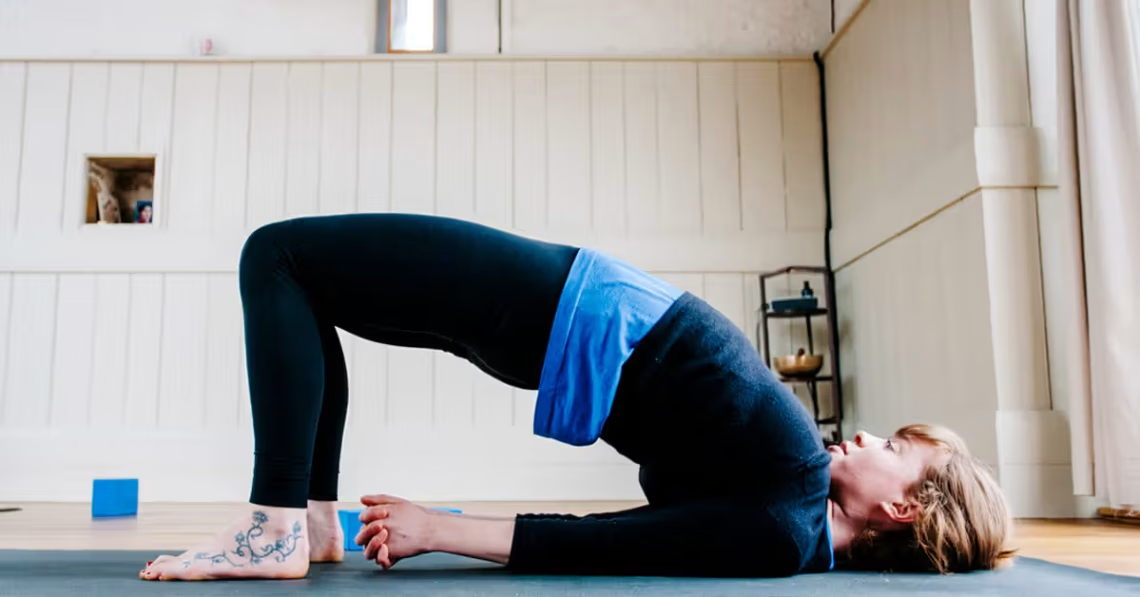
2. Bridges
Targets: Glutes, lower back, hamstrings
How to do it:
- Lie on your back with knees bent.
- Lift hips while squeezing glutes.
- Hold 3–5 seconds.
- Repeat 10–15 times.
Benefits: Strong glutes take pressure off the lower back.
3. Bird Dog
Targets: Lower back, core, glutes
How to do it:
- On hands and knees, extend opposite arm and leg.
- Hold 3–5 seconds.
- Switch sides. Repeat 10 times each.
Benefits: Improves stability and reduces spinal strain.
4. Modified Plank
Targets: Core, lower back
How to do it:
- From your knees, hold a plank position on your elbows.
- Keep back straight.
- Hold 10–20 seconds, increasing over time.
Benefits: Builds core strength without stressing the spine.
5. Side-Lying Leg Raises
Targets: Hip abductors, glutes
How to do it:
- Lie on your side.
- Lift the top leg slowly.
- Hold 2 seconds.
- Repeat 10–15 times per side.
Benefits: Improves hip stability, reducing pressure on the lower back.
6. Superman (Very Gentle Version)
Targets: Lower back muscles
How to do it:
- Lie on your stomach.
- Lift one arm and opposite leg slightly.
- Hold 2–3 seconds.
- Switch sides. Repeat 10 times.
Benefits: Strengthens spinal extensors without excessive stress.
How Often Should You Do These Exercises?
- Stretches: 1–2 times daily
- Strengthening exercises: 3–4 times per week
- Duration: 10–20 minutes per session
Consistency is more important than intensity.
When to Avoid Exercises
Stop and seek medical advice if you experience:
- Radiating leg pain with numbness or weakness
- Loss of bladder or bowel control (emergency)
- Severe or worsening pain
- Pain after a fall or injury
Additional Tips for Back Health
- Maintain good posture
- Avoid long hours of sitting
- Use supportive footwear
- Lift objects correctly
- Maintain a healthy body weight
- Sleep on a firm or medium-firm mattress
Conclusion
Gentle stretching and strengthening exercises are among the most effective tools for relieving lower back pain and preventing future episodes. The stretches loosen tight muscles, while the strengthening exercises build core and hip stability — both essential for a healthy, resilient spine. With consistency and correct technique, most people experience significant improvement within days to weeks.
FAQs
1. How often should I do lower back pain exercises?
Daily stretching and strengthening 3–4 times a week is generally effective.
2. Can I exercise with acute lower back pain?
Yes—but only gentle movements. Avoid heavy lifting and exercises that worsen pain.
3. How long does it take to see improvement?
Many people feel relief within 1–2 weeks of consistent exercise.
4. Are these exercises safe for beginners?
Yes. All listed exercises are low-impact and beginner-friendly.
5. Can these exercises prevent future back pain?
Yes—strengthening the core and maintaining flexibility significantly reduces recurrence.