Introduction
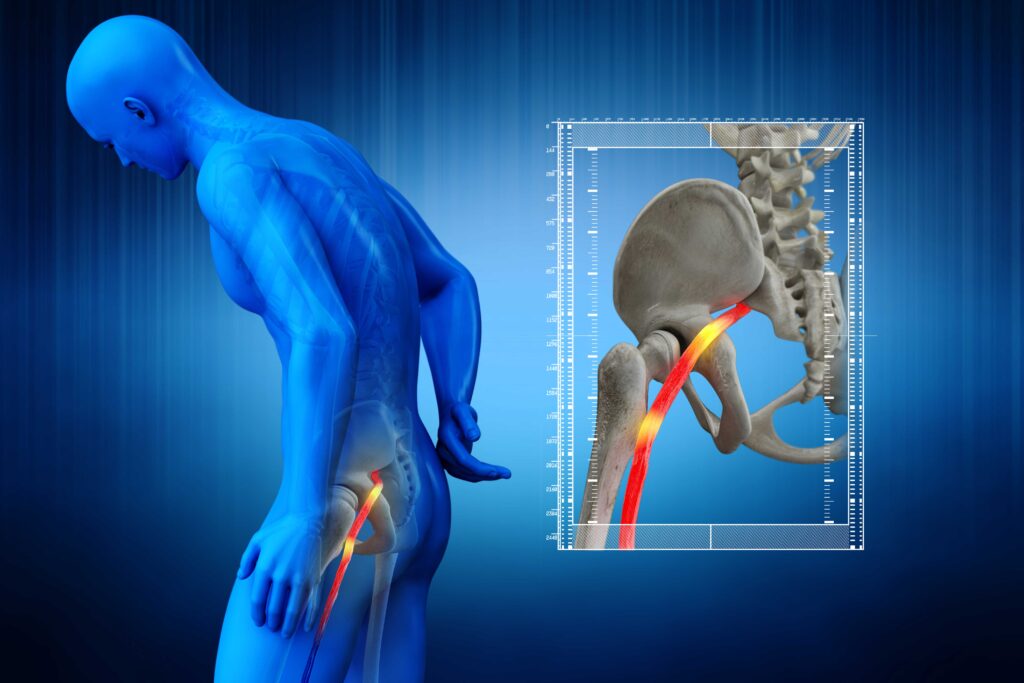
Sciatica is a condition characterized by pain, tingling, numbness, or weakness along the path of the sciatic nerve, which runs from the lower back through the hips, buttocks, and down each leg. It often occurs due to nerve compression or irritation caused by herniated discs, spinal stenosis, or muscle inflammation. Sciatica can range from mild discomfort to severe pain that interferes with daily activities.
Effective management involves understanding the causes, symptoms, and treatment options, including self-care strategies, exercises, medications, and in some cases, medical interventions. This article provides a comprehensive guide to sciatica pain relief.
Understanding Sciatica
What Is Sciatica?
Sciatica is not a condition itself but a symptom of an underlying spinal or nerve issue. It typically affects one side of the body and is associated with:
- Lower back pain
- Pain radiating down the leg
- Tingling or numbness
- Muscle weakness
Common Causes
- Herniated or Bulging Disc – Disc material presses on the sciatic nerve.
- Spinal Stenosis – Narrowing of the spinal canal compresses the nerve roots.
- Degenerative Disc Disease – Wear and tear of spinal discs can irritate nerves.
- Spondylolisthesis – Vertebrae slipping forward may pinch the nerve.
- Piriformis Syndrome – A Tight piriformis muscle irritates the sciatic nerve.
- Trauma or Injury – Accidents or falls causing inflammation or nerve compression.
Symptoms of Sciatica
- Sharp or burning pain radiating from the lower back to the buttock, thigh, or leg
- Tingling or “pins and needles” sensation
- Numbness in one leg or foot
- Muscle weakness in the affected leg
- Pain worsens when sitting, standing, or walking for long periods
Initial Self-Care and Home Remedies
1. Stay Active (Gentle Movement)
Bed rest is not recommended for more than 1–2 days. Gentle walking, stretching, and low-impact activities improve blood flow and reduce stiffness.
2. Ice and Heat Therapy
- Ice: Apply for 15–20 minutes in the first 24–48 hours to reduce inflammation.
- Heat: Use after 48 hours to relax tight muscles and improve circulation.
3. Over-the-Counter Pain Relief
- NSAIDs (ibuprofen, naproxen) help reduce pain and inflammation.
- Acetaminophen can relieve discomfort if NSAIDs are not suitable.
4. Posture Adjustments
- Sit in chairs with lumbar support.
- Keep feet flat on the floor.
- Avoid crossing legs for long periods.
- Sleep on your side with a pillow between your knees.
Exercises for Sciatica Pain Relief
1. Knee-to-Chest Stretch
- Lie on your back.
- Bring one knee to your chest while keeping the other leg straight.
- Hold 20–30 seconds, repeat 2–3 times per leg.
2. Piriformis Stretch
- Lie on your back and cross the affected leg over the other knee.
- Pull the uncrossed leg toward your chest.
- Hold 20–30 seconds, repeat 2–3 times.
3. Cat-Cow Stretch
- On hands and knees, alternate arching and rounding your back.
- Improves spinal flexibility and reduces nerve tension.
4. Seated Spinal Twist
- Sit upright, feet flat, and twist your torso gently toward the unaffected side.
- Hold 20–30 seconds, repeat 2–3 times.
5. Hamstring Stretch
- Lie on your back, raise one leg straight up, and gently pull it toward you.
- Hold 20–30 seconds, repeat 2–3 times per leg.
6. Pelvic Tilt
- Lie on your back, knees bent, feet flat.
- Flatten your lower back against the floor by tightening abdominal muscles.
- Hold 5 seconds, repeat 10–15 times.
Note: Stop any exercise that increases pain or causes numbness.
Medical Treatments for Sciatica
1. Prescription Medications
- Stronger NSAIDs
- Muscle relaxants for spasms
- Short courses of oral steroids
2. Physical Therapy
- Personalized exercise programs
- Posture correction
- Strengthening core muscles to support the spine
3. Epidural Steroid Injections
- Reduce inflammation around the sciatic nerve in severe cases.
4. Surgery
Considered if:
- Pain is severe and persistent
- Weakness or numbness worsens
- Loss of bladder or bowel control occurs
- Conservative treatments fail after 6–12 weeks
Surgical options may include discectomy, laminectomy, or spinal fusion, depending on the cause.
Lifestyle Changes to Prevent Recurrence
- Maintain a healthy weight
- Strengthen core and back muscles
- Practice proper lifting techniques
- Avoid prolonged sitting or standing
- Regular low-impact exercises like walking, swimming, or yoga
When to See a Doctor Immediately
Seek urgent medical attention if you experience:
- Severe leg weakness or numbness
- Loss of bladder or bowel control
- Pain after a fall or accident
- Fever, chills, or unexplained weight loss with back pain
These may indicate serious complications requiring prompt evaluation.
Conclusion
Sciatica can be painful and disruptive, but most cases improve with proper care. Early intervention—including gentle movement, posture correction, stretching exercises, and pain management—often leads to significant relief within a few weeks. Understanding the underlying cause and adopting lifestyle modifications can prevent recurrence and improve long-term spinal health. Medical interventions are available for severe or persistent cases, ensuring patients can regain mobility and quality of life.
FAQs
1. How long does sciatica usually last?
Acute sciatica typically improves within 4–6 weeks with proper self-care, though chronic cases may last longer.
2. Can sciatica resolve without surgery?
Yes, most cases respond to conservative measures such as exercises, physical therapy, and medications.
3. Are there exercises that can make sciatica worse?
Yes. High-impact activities, heavy lifting, or improper stretching can worsen symptoms.
4. Can sciatica cause permanent damage?
Permanent nerve damage is rare and usually occurs only if severe compression is untreated for a long period.
5. Is it safe to walk or exercise with sciatica?
Yes, gentle walking and low-impact exercises are recommended and help relieve pain, but stop any activity that increases pain or numbness.