Introduction
Vomiting can lead to dehydration and electrolyte imbalances, especially if episodes are frequent or prolonged. Maintaining proper hydration after vomiting is essential to restore fluid balance, prevent complications, and support recovery. Simple strategies like small sips of water, oral rehydration solutions, and electrolyte-rich fluids can be highly effective.
This article outlines safe and practical hydration strategies for adults and children after vomiting.
Why Hydration is Important After Vomiting
- Fluid loss: Vomiting expels water from the body, reducing blood volume
- Electrolyte imbalance: Sodium, potassium, and other electrolytes are lost, affecting heart, muscle, and nerve function
- Prevent complications: Severe dehydration can cause dizziness, low blood pressure, kidney issues, and fatigue
Stepwise Hydration Strategies
1. Start with Small Sips
- Begin with frequent small sips rather than large amounts at once to avoid triggering further vomiting
- Use room temperature water for easier tolerance
- Gradually increase volume as tolerated
2. Oral Rehydration Solutions (ORS)
- ORS contains a balanced mix of electrolytes and glucose to replace lost salts and fluids
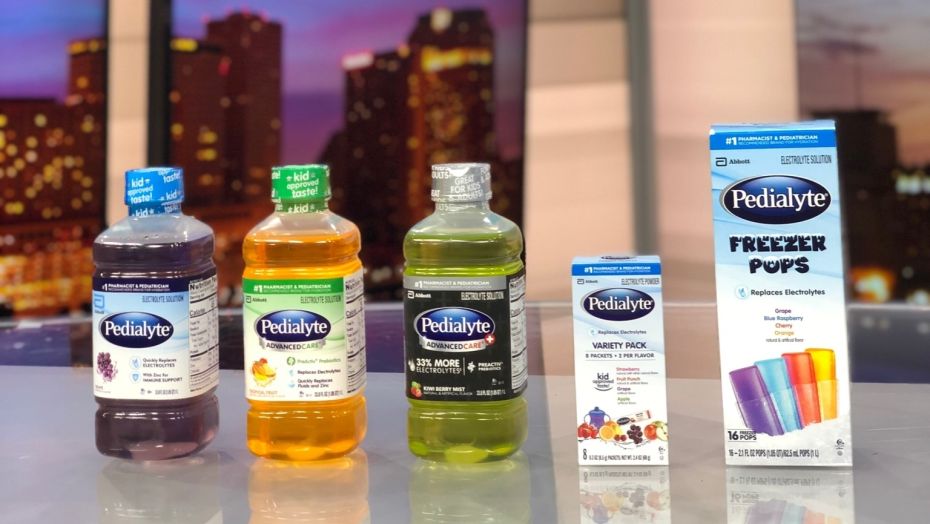
- Examples: Pedialyte, Ceralyte, or homemade solution (water + salt + sugar)
- Sip slowly to prevent nausea; avoid gulping large amounts
3. Clear Fluids
- Broth, diluted fruit juice, or herbal teas (like ginger or peppermint) can help replenish fluids
- Avoid caffeinated, carbonated, or sugary drinks, which may worsen nausea or dehydration
4. Gradual Reintroduction of Food
- Once vomiting subsides, start with bland foods: toast, rice, bananas, applesauce
- Continue to drink fluids between meals to maintain hydration
5. Electrolyte-Rich Foods
- Banana, coconut water, yogurt, or soups can help restore potassium, sodium, and other electrolytes naturally
Hydration Tips for Children
- Offer small sips frequently using a cup or spoon
- Use oral rehydration solutions designed for children
- Monitor for urine output, alertness, and tear production to assess hydration
Warning Signs of Severe Dehydration
Seek medical attention if any of these occur:
- Very dry mouth, sunken eyes, or no tears when crying (in children)
- Minimal or no urine output
- Dizziness, rapid heartbeat, or confusion
- Persistent vomiting prevents fluid intake
Practical Tips
- Keep a water bottle or ORS solution ready during and after episodes
- Avoid sugary or carbonated drinks immediately after vomiting
- Rest in an upright or slightly reclined position while sipping fluids
- Track fluid intake and output if vomiting persists
Conclusion
Hydration after vomiting is essential to restore fluids and electrolytes, prevent complications, and support recovery. The key strategies include frequent small sips of water, oral rehydration solutions, clear fluids, and electrolyte-rich foods. Monitoring for signs of severe dehydration and seeking timely medical care ensures safety and effective recovery, especially in children, the elderly, or individuals with frequent vomiting episodes.
FAQs
1. How soon after vomiting should I start drinking fluids?
Start small sips immediately once vomiting stops, increasing gradually as tolerated.
2. Can I use sports drinks instead of ORS?
Sports drinks can help, but they may be high in sugar; ORS is preferred for proper electrolyte balance.
3. How much fluid should I drink after vomiting?
Sip 5–10 mL every few minutes initially, then gradually increase to meet daily hydration needs.
4. Are there natural foods that help with hydration?
Yes, bananas, coconut water, soups, and yogurt provide both fluids and electrolytes.
5. When should I seek medical help for dehydration?
Seek care if vomiting persists, fluid cannot be retained, or there are signs like dizziness, rapid heartbeat, or very little urine output.