Introduction
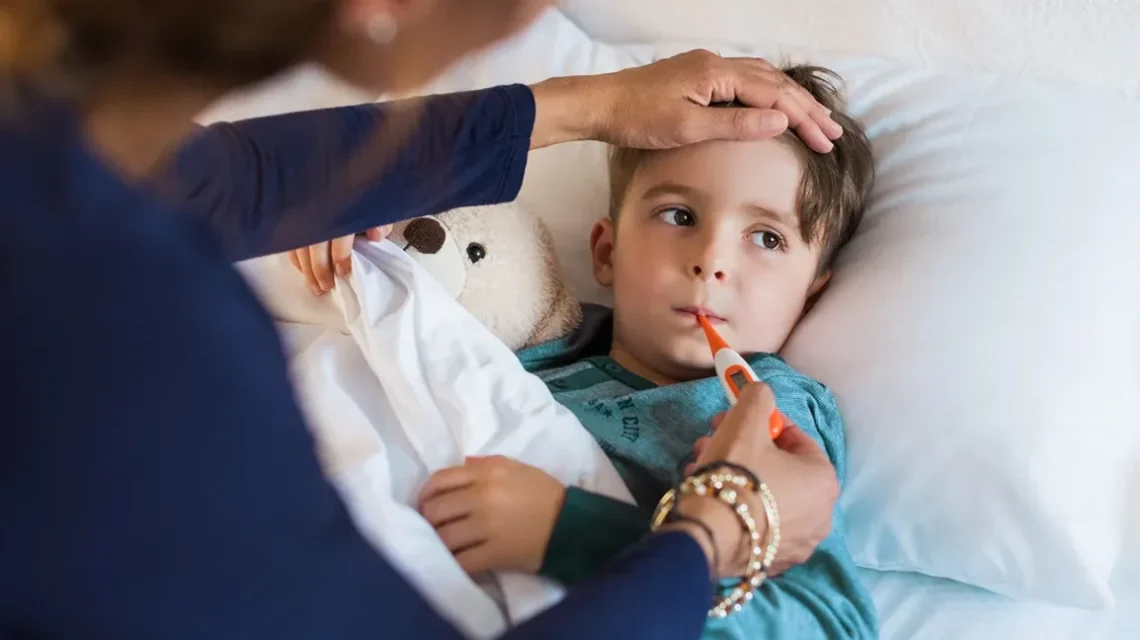
Fever is a common physiological response defined as an elevation of body temperature above the normal range, typically due to infection or inflammation. It is a sign that the body’s immune system is active, fighting off harmful pathogens like viruses, bacteria, or other disease triggers. While fever is often uncomfortable, it is not always harmful; in fact, a mild to moderate fever can be beneficial, enhancing immune defense.
However, fever can sometimes be dangerous or extremely uncomfortable, particularly in infants, the elderly, or individuals with underlying medical conditions. Knowing when to treat a fever and when it is safe to allow it to run its course is essential for maintaining health and avoiding unnecessary medication use.
Understanding Fever
What Causes Fever
Fever is triggered by pyrogens, substances that cause the hypothalamus in the brain to raise the body’s temperature set point. Pyrogens may be:
- Exogenous: Derived from pathogens (bacteria, viruses)
- Endogenous: Produced by the body (cytokines, prostaglandins) in response to infection, inflammation, or tissue injury
Purpose of fever:
- Slows the growth of pathogens
- Stimulates immune system activity
- Enhances production of white blood cells
- Signals the body to rest and recover
Normal Body Temperature vs Fever
Normal body temperature varies slightly by individual, age, time of day, and measurement method:
- Adults: 97–99°F (36.1–37.2°C)
- Children: 97.8–100.4°F (36.5–38°C)
- Infants: Slightly higher baseline, around 100.4°F (38°C)
- Elderly: Lower baseline, fever may be less pronounced
Fever thresholds:
- Mild: 100.4–102°F (38–38.9°C)
- Moderate: 102–104°F (38.9–40°C)
- High: >104°F (40°C)
- Hyperpyrexia: >106°F (41.1°C), requires urgent medical attention
When Treating a Fever Is Helpful
1. High Fever
High fevers can lead to discomfort, dehydration, and, in rare cases, febrile seizures in children. Treating fever is generally recommended:
- Adults: ≥103–104°F (39.4–40°C)
- Children: ≥102–104°F (38.9–40°C), depending on age
2. Severe Discomfort
Fever itself is not always harmful, but symptoms such as:
- Chills
- Headache
- Muscle aches
- Fatigue
may warrant treatment to improve comfort and rest, which indirectly supports recovery.
3. Vulnerable Populations
- Infants <3 Months: Fever may indicate serious infection; medical evaluation is required.
- Elderly: Fever response may be blunted, but even mild fever could signal infection.
- People with chronic conditions: Heart disease, lung disease, and immune deficiencies—fever may exacerbate underlying problems.
When Treating Fever May Not Be Necessary
- Mild fevers (100.4–102°F / 38–38.9°C) in otherwise healthy adults and children
- Fever that is short-lived, self-limiting, and does not impair activity
- Treating mild fever may mask symptoms, but generally does not affect the underlying infection
Note: Allowing the body to run a mild fever can sometimes enhance immune system efficiency, but comfort and hydration remain priorities.
Methods to Manage Fever
1. Medications (Antipyretics)
Common options include:
- Acetaminophen (Paracetamol): Reduces fever and relieves pain; safe for most adults and children.
- Ibuprofen: Reduces inflammation, pain, and fever; avoid in kidney disease, gastrointestinal ulcers, or certain heart conditions.
- Dosage: Follow instructions carefully. Overuse can be harmful.
Tips:
- Use medications primarily for comfort or high fever, not as the first line for mild fever.
- Avoid alternating medications unless recommended by a healthcare professional.
2. Non-Medication Measures
- Hydration: Fever increases fluid loss via sweating; drink water, oral rehydration solutions, or clear soups.
- Rest: Sleep and rest help the immune system function optimally.
- Light clothing and bedding: Avoid overheating.
- Cool compresses: Placing a damp cloth on the forehead or neck can relieve discomfort.
- Room temperature: Keep the environment comfortably cool.
Special Considerations
Infants and Young Children
- Any fever in infants <3 months should be evaluated by a doctor immediately.
- For older children, treat high fever or if the child is uncomfortable, lethargic, or not drinking fluids.
Elderly Adults
- Fever may be less pronounced, but even slight temperature elevation could indicate infection.
- Monitor for confusion, decreased urine output, or rapid heart rate.
Chronic Medical Conditions
- Fever can worsen underlying conditions such as heart disease, COPD, or immunodeficiency.
- Prompt evaluation and cautious fever management are necessary.
Red Flags: When to Seek Medical Attention
Seek urgent medical care if fever is accompanied by:
- Confusion or disorientation
- Severe headache or stiff neck
- Difficulty breathing or chest pain
- Seizures or convulsions
- Persistent vomiting or signs of dehydration
- Rash or bleeding
- High fever (>104°F / 40°C) lasting more than a few days
Conclusion
Fever is a protective response that aids the immune system. While mild fevers in otherwise healthy individuals may not require treatment, medication is warranted when the fever is high, causes significant discomfort, or occurs in vulnerable populations. Safe management includes antipyretics, hydration, rest, and monitoring for warning signs. Recognizing when to intervene and when to allow a mild fever to run its course ensures optimal recovery while minimizing risks.
FAQs
1. Should I treat a mild fever of 100.5°F?
Not necessarily. Mild fever in a healthy individual can be left untreated unless it causes discomfort.
2. Can reducing fever slow down recovery?
Mild fevers can enhance immune response, but treating fever for comfort or very high temperatures does not significantly affect recovery.
3. Are there natural ways to manage fever?
Hydration, rest, light clothing, and cool compresses are effective supportive measures.
4. When is a child’s fever dangerous?
- Infants <3 months: Any fever
- Children: Fever ≥104°F or associated with lethargy, vomiting, or dehydration
5. Can elderly people have a fever without feeling hot?
Yes, older adults may have a blunted fever response, so any unusual symptoms or slight temperature elevation warrant attention.