Introduction
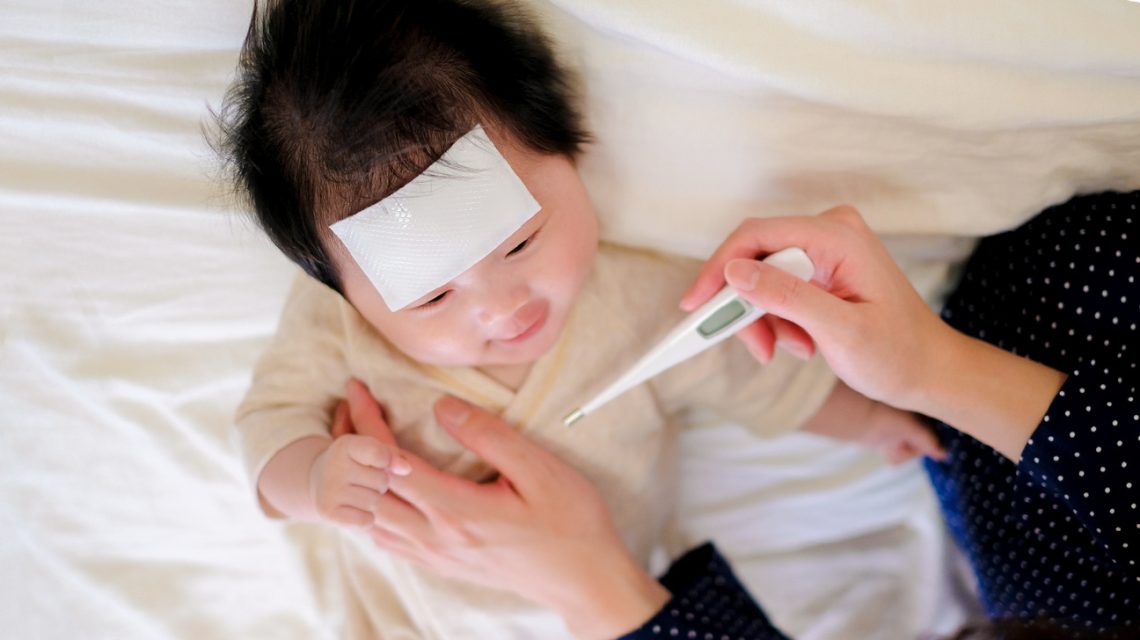
Fever in infants under 3 months of age is considered a medical emergency. Unlike older children and adults, young infants have immature immune systems and may not show typical signs of illness. Even a mild temperature elevation in this age group can indicate a serious bacterial or viral infection, such as sepsis, urinary tract infection, or meningitis.
Prompt medical evaluation is essential to prevent complications, identify the underlying cause, and initiate timely treatment.
Understanding Fever in Young Infants
- Definition: A rectal temperature of ≥100.4°F (38°C) in infants <3 Months is considered a fever.
- Why it’s serious: Infants cannot mount a robust immune response, so infections can progress rapidly.
- Measurement: Rectal thermometers are most accurate for infants. Avoid relying solely on axillary or forehead readings.
Causes of Fever in Infants Under 3 Months
Fever may indicate serious or minor conditions, but all cases should be evaluated medically. Common causes include:
- Bacterial infections: Sepsis, urinary tract infection, pneumonia, meningitis
- Viral infections: Respiratory viruses, enteroviruses
- Vaccinations: Mild fever may occur after routine immunizations
- Other causes: Overheating, dehydration, or inflammatory conditions
Important: Even a mild fever may signal a potentially life-threatening infection in this age group.
Signs and Symptoms to Watch For
In addition to fever, infants may show:
- Poor feeding or refusal to eat
- Lethargy or unusual sleepiness
- Irritability or inconsolable crying
- Vomiting or diarrhea
- Rapid or labored breathing
- Rash, jaundice, or unusual skin color
- Seizures (in rare cases)
Note: Infants may appear relatively well despite serious infection, which is why any fever warrants medical attention.
Immediate Actions for Caregivers
- Seek medical attention immediately – do not wait for the fever to worsen
- Monitor temperature accurately – rectal thermometer preferred
- Keep the infant hydrated – frequent breastfeeding or formula feeding
- Avoid medications unless directed by a doctor – antipyretics like acetaminophen require careful dosing in young infants
- Prepare for evaluation – doctors may perform:
- Blood tests
- Urine analysis
- Lumbar puncture (if meningitis is suspected)
- Imaging (if indicated)
Hospital Evaluation
- All infants <3 Months with fever are generally evaluated in a healthcare setting
- Assessment often includes vital signs, physical examination, and lab tests to rule out serious bacterial infections
- Depending on results, infants may receive IV antibiotics or antiviral treatment
- Observation in the hospital may be necessary to ensure stability and recovery
Prevention and Awareness
- Regular hand hygiene to prevent infections
- Avoid sick contacts, especially with respiratory viruses
- Ensure up-to-date vaccinations for caregivers and family to reduce infection risk
- Promptly recognize fever in infants under 3 months and act immediately
Conclusion
Fever in infants under 3 months is a red flag for potentially serious illness. Even mild temperature elevation warrants immediate medical evaluation, as infections can progress rapidly in this age group. Early recognition, accurate measurement, and prompt medical care are essential to protect infant health and prevent complications.
FAQs
1. What temperature counts as a fever in infants under 3 months?
Rectal temperature ≥100.4°F (38°C) is considered a fever and requires medical evaluation.
2. Can a mild fever be ignored in a newborn?
No. Even a mild fever may indicate a serious infection in infants under 3 months.
3. Should I give fever medicine at home?
Only under a doctor’s guidance. Dosage must be precise, as infants are very sensitive to medication.
4. What tests will the doctor perform?
Blood tests, urine analysis, and sometimes a lumbar puncture or imaging to identify the source of infection.
5. Can fever be prevented in young infants?
Proper hand hygiene, avoiding sick contacts, and timely vaccinations for family members can reduce risk, but infections can still occur.