Introduction
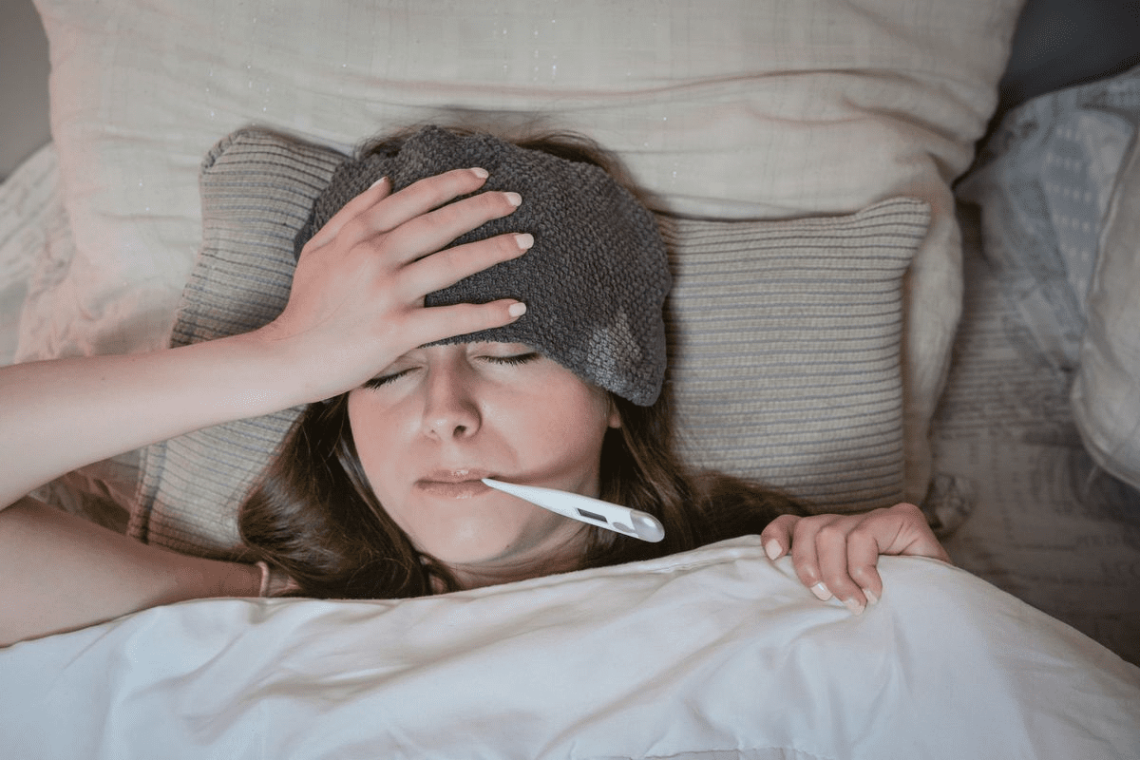
Fever is the body’s natural response to infection or inflammation, helping the immune system fight pathogens. While mild fevers are generally beneficial, high or uncomfortable fevers can cause discomfort, dehydration, and fatigue. Along with medications like acetaminophen or ibuprofen, non-medication cooling techniques—such as sponging, light clothing, and hydration—can help manage fever safely.
These strategies are especially important for children, elderly individuals, and anyone with prolonged or high fever.
Why Cooling Techniques Matter
- Reduce discomfort: Fever can cause chills, body aches, and headaches
- Prevent overheating: Excessively high body temperatures can be dangerous
- Support recovery: Comfort and hydration help the immune system function efficiently
Cooling techniques do not replace medications when needed but complement fever management.
Sponging or Tepid Water Baths
- Tepid sponging: Use lukewarm water (not cold) to gently sponge the body, especially the armpits, neck, and groin
- Avoid ice-cold water or alcohol rubs; these can cause shivering, which raises body temperature
- Duration: 5–10 minutes, repeat as needed
- Effective for high fevers or persistent discomfort, especially in children
Tips:
- Use a soft sponge or cloth
- Focus on areas with major blood vessels near the skin surface
- Ensure the room is comfortable, not cold
Light Clothing and Bedding
- Dress in light, breathable fabrics like cotton
- Avoid heavy blankets or multiple layers, which trap heat
- Maintain a moderately cool room temperature
- Use light sheets while sleeping instead of heavy quilts
Rationale: Reduces heat retention and allows natural cooling through the skin.
Hydration
- Fever increases fluid loss through sweating, which can lead to dehydration
- Offer frequent sips of water, oral rehydration solutions, broths, or diluted fruit juices
- For children, ensure small, frequent feeds or sips
- Monitor for signs of dehydration: dry mouth, reduced urine output, sunken eyes, or lethargy
Tip: Encourage hydration even if the person feels nauseated; small sips are better than large amounts at once.
Additional Comfort Measures
- Rest: Fever increases energy expenditure; rest supports recovery
- Cool environment: Keep the room at a comfortable temperature, avoiding extremes
- Avoid excessive physical activity while the fever persists
- Monitor temperature regularly to track changes and determine if medical intervention is needed
When to Seek Medical Attention
- Fever ≥104°F (40°C) or persistent high fever
- Infants <3 months with any fever
- Fever with confusion, breathing difficulty, seizures, persistent vomiting, or dehydration
- Fever lasting more than 3–5 days without improvement
Note: Cooling techniques help comfort and safety, but medical evaluation is essential if warning signs appear.
Conclusion
Non-medication cooling techniques—tepid sponging, light clothing, and proper hydration—are effective ways to reduce discomfort and support recovery during fever. These strategies complement medication when necessary, particularly for children, elderly individuals, and anyone with high or persistent fever. Regular monitoring, maintaining hydration, and seeking timely medical care ensure safe and effective fever management.
FAQs
1. Can cold baths be used to lower a fever?
No. Cold or ice baths can cause shivering, which may actually raise body temperature and increase discomfort.
2. How often should I sponge someone with a fever?
Use 5–10 minutes of tepid sponging as needed, repeating if discomfort persists.
3. What clothing is best during a fever?
Light, breathable fabrics like cotton; avoid heavy layers and blankets.
4. How much should I hydrate during a fever?
Frequent small sips throughout the day; ensure adequate urine output and hydration signs.
5. Are cooling techniques safe for children and the elderly?
Yes, when done gently with tepid water, light clothing, and hydration, these techniques are safe for all age groups.