Introduction
Fever is a common symptom of illness, signaling that the body is fighting an infection or inflammation. While most fevers are mild and self-limiting, monitoring and tracking fever accurately is essential to:
- Identify patterns and severity
- Detect warning signs of serious illness
- Guide timely medical intervention
Proper fever monitoring is especially important in infants, elderly individuals, and people with chronic health conditions.
Why Monitoring Fever is Important
- Early detection of dangerous trends: Persistent high fever or sudden spikes may indicate severe infection
- Guiding treatment decisions: Helps determine when medications or medical care are needed
- Tracking response to therapy: Shows whether interventions like antipyretics are effective
- Documenting symptoms: Useful for healthcare providers in diagnosing the underlying cause
Methods of Measuring Temperature
- Rectal Thermometer: Most accurate for infants and young children
- Oral Thermometer: Reliable for older children and adults
- Axillary (Armpit) Thermometer: Less accurate, may underestimate fever
- Tympanic (Ear) Thermometer: Quick but may be inaccurate in young children
- Temporal Artery (Forehead) Thermometer: Convenient, moderately accurate
Tip: Always use a calibrated thermometer and follow manufacturer instructions.
How Often to Check Fever
1. Infants (<3 months)
- Any fever warrants immediate medical evaluation, so frequent home monitoring is usually not needed before seeking care.
2. Children (3 months–5 years)
- Check every 4–6 hours or with noticeable changes in behavior or discomfort
- Before giving antipyretics, record the temperature
3. Older Children and Adults
- 2–3 times daily during mild illness, more often if fever is high or fluctuating
- Check before medication doses and during symptom changes
General Rule: Monitor more frequently if the fever is high (>102°F / 38.9°C), persistent, or associated with warning signs.
Tracking Fever Effectively
- Use a log or chart: Record time, temperature, symptoms, and medications given
- Note patterns: Some illnesses cause intermittent or spiking fevers
- Include other symptoms: Chills, sweating, fatigue, or dehydration
- Share records with healthcare providers to aid diagnosis
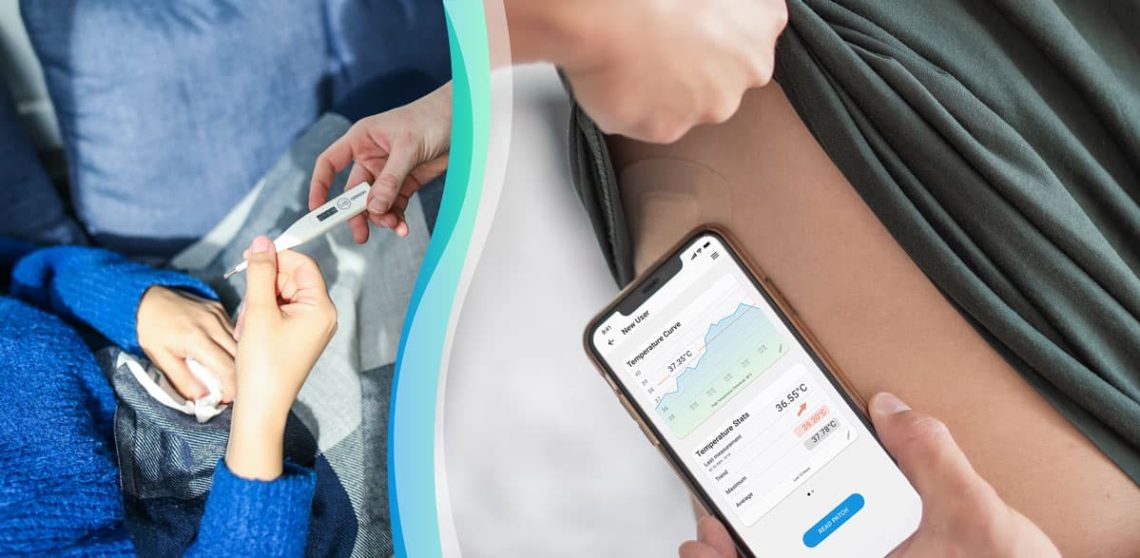
Tip: Digital thermometers with memory function can simplify tracking.
Red Flags While Monitoring Fever
Seek urgent medical care if any of the following occur:
- Fever in infants <3 months
- Fever ≥104°F (40°C) in children or adults
- Fever with breathing difficulty, confusion, seizures, persistent vomiting, or rash
- Fever lasting more than 3–5 days without improvement
- Signs of dehydration: dry mouth, reduced urine output, sunken eyes
Conclusion
Accurate fever monitoring and tracking is essential for early detection of serious illness, guiding treatment, and supporting recovery. Using the correct thermometer, recording readings regularly, and observing for warning signs ensures safe and effective fever management, particularly in vulnerable populations like infants, elderly individuals, and chronically ill patients.
FAQs
1. How often should I check my child’s fever?
Every 4–6 hours, or more frequently if the child is uncomfortable or the fever is high.
2. Which thermometer is most accurate for infants?
Rectal thermometers are considered the most reliable for young children.
3. Should I check temperature during the night?
Only if the child shows discomfort, unusual symptoms, or high fever.
4. Do I need to track symptoms along with temperature?
Yes. Recording behavior changes, dehydration signs, and medications provides valuable information for healthcare providers.
5. When is fever monitoring not enough?
If the child is under 3 months, has high fever, or shows red flag symptoms, immediate medical care is required—monitoring alone is insufficient.