Introduction
Rashes are a frequent skin complaint and can be caused by a variety of conditions, ranging from allergic reactions and infections to chronic skin disorders. Identifying the type of rash is essential for appropriate management and to distinguish harmless rashes from those requiring urgent care.
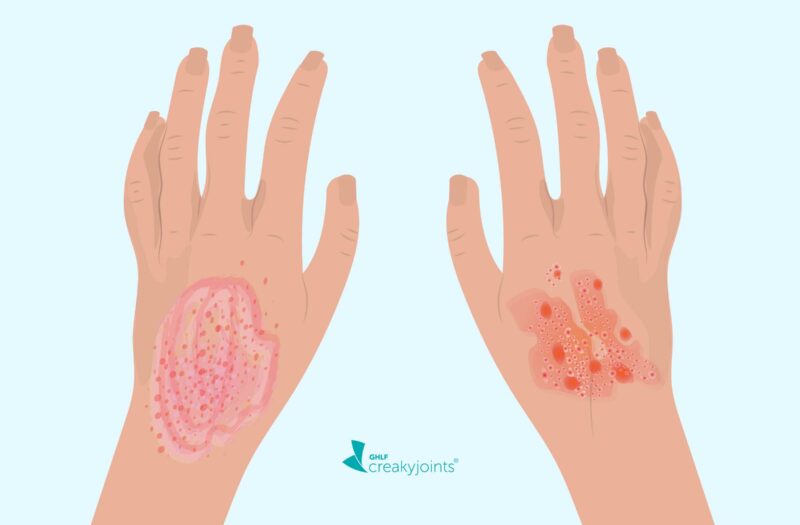
This guide covers common types of rashes, their characteristics, triggers, and basic management tips, along with suggested images for visual identification.
1. Eczema (Atopic Dermatitis)
- Appearance: Red, inflamed, itchy patches; may be dry, scaly, or oozing
- Common Locations: Flexural areas (elbows, knees), face, hands, neck
- Triggers: Allergens, irritants, stress, temperature changes
- Management: Moisturizers, topical steroids, antihistamines for itch
2. Psoriasis
- Appearance: Thick, silvery-white scaly plaques on red skin; may bleed if scratched
- Common Locations: Scalp, elbows, knees, lower back
- Triggers: Stress, infections, certain medications, injury to skin
- Management: Topical corticosteroids, vitamin D analogs, phototherapy
3. Hives (Urticaria)
- Appearance: Raised, itchy, red or pale welts that can change location within hours
- Common Locations: Anywhere on the body
- Triggers: Allergic reactions (foods, medications), infections, stress
- Management: Antihistamines, avoiding triggers, cool compresses
4. Contact Dermatitis
- Appearance: Red, itchy rash, sometimes with blisters; localized to area of contact
- Common Locations: Hands, face, or other areas exposed to irritants or allergens
- Triggers: Soaps, detergents, plants (poison ivy), metals
- Management: Avoid irritant, topical corticosteroids, moisturizers
5. Chickenpox (Varicella)
- Appearance: Red spots that progress to fluid-filled blisters, then crust over
- Common Locations: Trunk, face, scalp
- Triggers: Viral infection (highly contagious)
- Management: Symptomatic care (antihistamines, hydration), isolation
6. Ringworm (Tinea)
- Appearance: Circular, red, scaly patches with central clearing
- Common Locations: Body, scalp, feet (athlete’s foot)
- Triggers: Fungal infection
- Management: Antifungal creams or oral medication for severe cases
7. Shingles (Herpes Zoster)
- Appearance: Painful, blistering rash along a single dermatome; usually red and grouped
- Common Locations: One side of the torso or face
- Triggers: Reactivation of chickenpox virus
- Management: Antiviral medications, pain relief, topical soothing agents
Tips for Rash Identification
- Pattern and distribution: Check if rash is localized, generalized, or follows skin folds
- Color and texture: Red, scaly, blistering, or raised
- Associated symptoms: Itch, pain, fever, or systemic symptoms
- Onset and triggers: Sudden vs. gradual, environmental exposures, medications
When to Seek Medical Care:
- Rash with fever, difficulty breathing, swelling of the face or lips
- Rapidly spreading or painful rash
- Rash in infants, immunocompromised patients, or persistent rashes
Conclusion
Rashes can range from mild and self-limiting to serious medical conditions. Accurate identification based on appearance, distribution, triggers, and associated symptoms is essential for effective management. Awareness of red flags ensures timely medical intervention when necessary.
FAQs
1. How can I differentiate eczema from psoriasis?
- Eczema: itchy, red, dry, usually in flexural areas
- Psoriasis: thick, silvery scales, often on elbows, knees, scalp
2. Are hives dangerous?
Hives are usually benign, but accompanied by swelling of lips, tongue, or difficulty breathing require emergency care.
3. Can rashes be contagious?
Some rashes (chickenpox, ringworm, shingles) can spread to others, while eczema or psoriasis are not contagious.
4. When should I see a doctor for a rash?
Rash with fever, severe pain, rapid spread, or in infants/immunocompromised individuals.
5. Can home remedies help rashes?
Mild eczema or hives may benefit from moisturizers, cool compresses, and avoiding irritants, but proper diagnosis is crucial for persistent or severe rashes.