Introduction
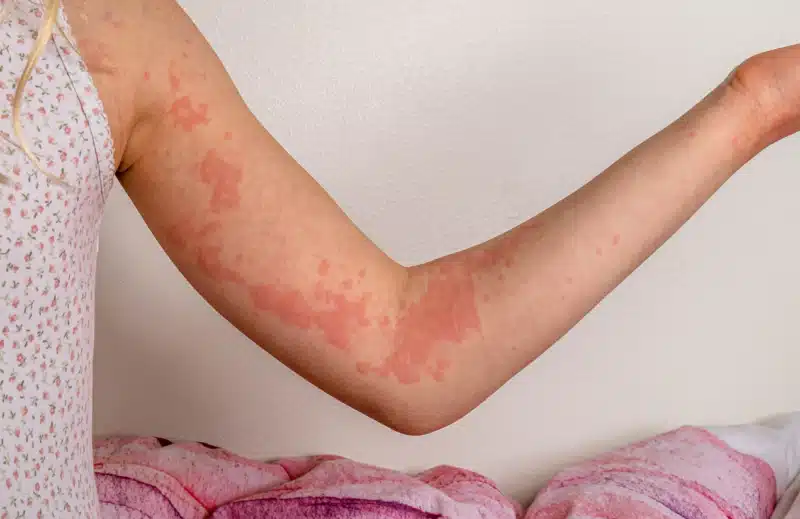
Hives, medically known as urticaria, are raised, red or pale, itchy welts on the skin. They vary in size and shape and may appear suddenly and fade within hours or persist for days.
Hives are a common condition, often triggered by allergic reactions, stress, or environmental factors. While usually not life-threatening, severe cases can lead to angioedema or anaphylaxis, which require urgent medical attention.
Understanding the causes, triggers, and proper use of antihistamines is essential for managing symptoms effectively.
What Are Hives (Urticaria)?
- Appearance: Raised, itchy, red or skin-colored welts that can change location rapidly
- Size: Small spots to large patches, sometimes merging into larger areas
- Duration:
- Acute: Less than 6 weeks
- Chronic: More than 6 weeks
- Symptoms: Itching, burning, or stinging sensations; sometimes mild swelling of lips, eyelids, or hands
Common Causes of Hives
1. Allergic Reactions
- Foods: Nuts, shellfish, eggs, milk, certain fruits
- Medications: Antibiotics (penicillin), NSAIDs, aspirin
- Insect stings or bites
- Latex or chemicals
Mechanism: Allergens trigger histamine release, causing blood vessels to leak and the characteristic welts.
2. Physical Triggers
- Temperature changes: Cold or hot water, heat, or sunlight
- Pressure: Tight clothing, belts, or prolonged sitting/standing
- Exercise-induced urticaria: Triggered by physical activity
3. Stress and Emotional Factors
- Stress, anxiety, or emotional distress can trigger or worsen hives, especially chronic urticaria.
4. Infections
- Viral infections (common cold, hepatitis)
- Bacterial infections (urinary tract, strep)
- Fungal or parasitic infections (less common)
5. Chronic or Autoimmune Causes
- Autoimmune urticaria occurs when the body attacks its own skin or immune system, leading to persistent hives.
- May be associated with thyroid disease or other autoimmune conditions.
When to Seek Medical Attention
- Difficulty breathing or swallowing
- Swelling of lips, tongue, or throat
- Rapidly spreading rash with dizziness or fainting (possible anaphylaxis)
- Chronic hives lasting more than 6 weeks
Antihistamine Use in Hives
How Antihistamines Work
- Block histamine receptors in the skin, reducing itching, redness, and swelling
- Often first-line treatment for both acute and chronic urticaria
Common Types
- Non-sedating (second-generation) antihistamines: Loratadine, Cetirizine, Fexofenadine
- Preferred for daytime use
- Sedating (first-generation) antihistamines: Diphenhydramine, Hydroxyzine
- Effective for nighttime relief but may cause drowsiness
Dosage and Administration
- Follow doctor’s instructions or package labeling
- Take regularly during flare-ups for best effect, not just when itching occurs
- May be combined with other medications under medical guidance for chronic cases
Additional Management Tips
- Avoid known triggers (foods, medications, physical triggers)
- Wear loose, breathable clothing to prevent friction
- Cool compresses can soothe itching
- Maintain a symptom diary to identify triggers and patterns
Lifestyle and Preventive Measures
- Manage stress through relaxation techniques, meditation, or yoga
- Avoid extreme temperatures and friction on the skin
- Keep skin moisturized, especially if prone to dryness
- Maintain a healthy diet and hydration
Conclusion
Hives (urticaria) are a common and often benign skin condition that can be triggered by allergies, stress, physical stimuli, or infections. Effective management includes avoiding triggers, using antihistamines appropriately, and monitoring for warning signs of severe reactions. Chronic cases may require specialist evaluation to determine underlying autoimmune or chronic causes. With proper care, most cases of hives can be controlled and symptoms relieved quickly.
FAQs
1. Are hives contagious?
No, hives are not contagious, but the underlying infection or allergen causing them may be.
2. How long do hives usually last?
Acute hives resolve within hours to a few days, while chronic hives can persist for more than 6 weeks.
3. Can stress really cause hives?
Yes, stress can trigger or worsen hives, especially in chronic urticaria.
4. When should I use a sedating vs. non-sedating antihistamine?
- Sedating: Nighttime relief
- Non-sedating: Daytime use, to avoid drowsiness
5. Can lifestyle changes help prevent hives?
Yes. Avoiding triggers, managing stress, wearing loose clothing, and maintaining healthy skin can reduce flare-ups.