Introduction
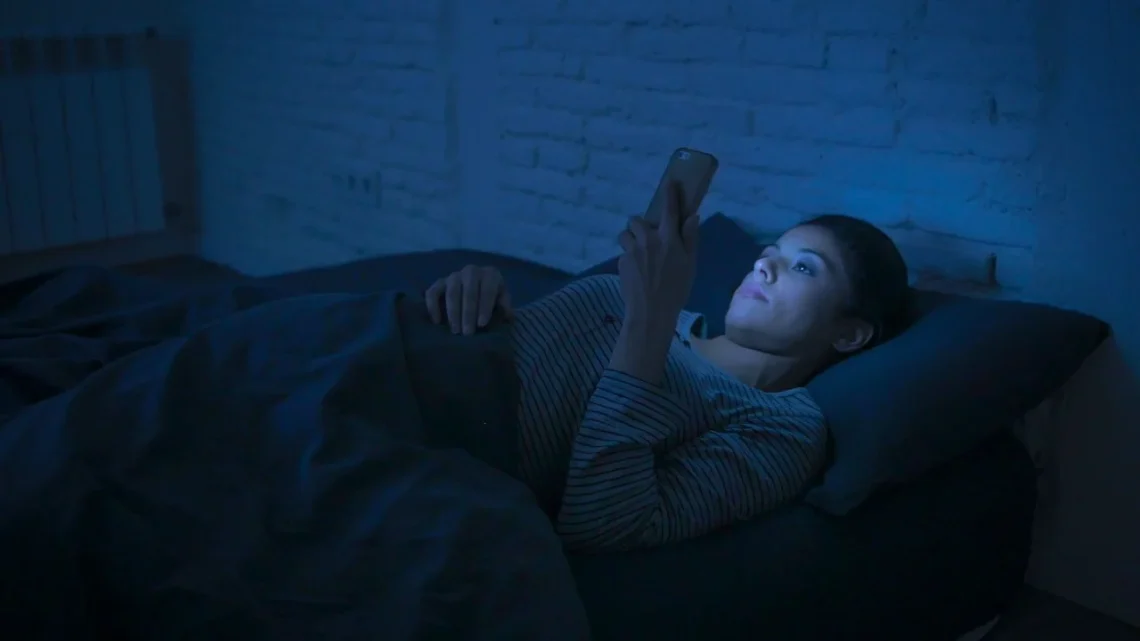
In today’s digital world, exposure to screens from phones, TVs, tablets, and computers has become unavoidable. While these devices keep us connected and entertained, they also emit blue light, a high-energy visible (HEV) light that can disrupt our natural sleep patterns.
Understanding how blue light affects melatonin production, circadian rhythm, and sleep quality is key to protecting your rest. Fortunately, practical strategies can minimize its impact, helping you fall asleep faster and improve sleep depth.
1. What is Blue Light?
- Blue light is part of the visible light spectrum with short wavelengths (approximately 400–490 nm)
- Naturally present in sunlight, which helps regulate the circadian rhythm
- Artificial sources include LED screens, smartphones, tablets, TVs, and energy-efficient lighting
2. How Blue Light Affects Sleep
A. Suppression of Melatonin
- Melatonin is the hormone that signals the body it’s time to sleep
- Exposure to blue light in the evening reduces melatonin production, delaying sleep onset
B. Circadian Rhythm Disruption
- The circadian rhythm is the body’s internal clock
- Evening blue light tricks the brain into thinking it’s daytime, leading to later sleep times and difficulty waking
C. Increased Alertness
- Blue light exposure activates brain regions associated with alertness and attention, counteracting natural sleepiness
- This can result in racing thoughts and restlessness at bedtime
3. Common Sources of Evening Blue Light
- Smartphones and tablets
- TVs and computer monitors
- LED and fluorescent lighting
- Smart home devices and e-readers
4. Strategies to Block or Reduce Blue Light Exposure
A. Limit Screen Time
- Avoid screens 1–2 hours before bedtime
- Set a “digital sunset” rule to signal the brain it’s time to wind down
B. Use Blue Light Filters
- Night mode or blue light filters on phones, tablets, and computers
- Apps like f.lux or built-in OS features that shift screen color to warmer tones
C. Wear Blue Light Blocking Glasses
- Special glasses filter blue wavelengths and reduce sleep disruption
- Effective if screen use is unavoidable in the evening
D. Optimize Bedroom Lighting
- Replace bright LEDs with warm, dim lighting in the evening
- Avoid overhead fluorescent lights before bedtime
E. Create Screen-Free Zones
- Keep devices out of the bedroom to associate the space with sleep and relaxation
- Use physical books or audiobooks instead of reading on screens
5. Additional Tips for Protecting Sleep
- Gradual wind-down routine: Combine with Power Down Hour, journaling, or meditation
- Consistent sleep schedule: Helps the circadian rhythm resist blue light interference
- Sunlight exposure during the day: Strengthens natural circadian cues, making evening blue light less disruptive
Conclusion
Evening exposure to blue light from screens and LED lighting can significantly disrupt sleep, delaying onset, reducing quality, and leaving you groggy in the morning. By limiting screen time, using blue light filters, adjusting lighting, and creating a screen-free environment, you can protect your melatonin production and circadian rhythm, ensuring more restful and restorative sleep.
FAQs
1. How long before bed should I avoid screens?
Ideally 1–2 hours, but even 30–60 minutes of reduced exposure helps.
2. Do blue light filters completely block disruption?
Filters and night modes reduce blue light, but avoiding screens is most effective.
3. Can blue light glasses really help?
Yes. They block a significant portion of blue wavelengths, helping maintain melatonin production.
4. Is blue light from daytime exposure harmful?
No. Daytime blue light is beneficial, supporting alertness and circadian rhythm alignment.
5. Can TVs in the background disrupt sleep?
Yes. Even passive exposure to TV screens can reduce melatonin and delay sleep onset.