Introduction What you eat and drink can significantly affect how quickly you fall asleep and the quality of your rest. Certain foods and beverages promote relaxation, regulate sleep hormones, and support a natural sleep cycle, while others can delay sleep onset, disrupt circadian rhythm, or cause nighttime awakenings. Understanding which foods and drinks to embrace or avoid is key to improving both sleep quality and overall health. 1. Best Foods for Falling Asleep These foods contain nutrients that support melatonin production, serotonin synthesis, and relaxation. A. Foods High in Tryptophan • Tryptophan is an amino acid that helps produce serotonin and melatonin. • Examples: Turkey, chicken, eggs, tofu, cheese, nuts • Tip: Pair with complex carbs (like oatmeal or whole-grain bread) to enhance absorption. B. Complex Carbohydrates • Promote steady blood sugar levels and help tryptophan enter the brain. • Examples: Oats, quinoa, brown rice, whole-grain pasta C. Foods Rich in Magnesium • Magnesium helps relax muscles and calm the nervous system. • Examples: Spinach, pumpkin seeds, almonds, dark chocolate (in moderation) D. Foods Containing Melatonin • Directly support sleep onset and regulation. • Examples: Cherries, grapes, tomatoes, walnuts E. Herbal Teas • Naturally caffeine-free teas can promote relaxation. • Examples: Chamomile, valerian root, lemon balm, peppermint F. Light Snacks Before Bed • If hungry, a small, balanced snack can prevent sleep disruption. • Examples: Banana with peanut butter, yogurt with berries, whole-grain crackers with cheese 2. Worst Foods and Beverages for Falling Asleep These items can stimulate the nervous system, disrupt digestion, or interfere with melatonin. A. Caffeine-Containing Foods and Drinks • Blocks adenosine, the chemical that promotes sleepiness. • Examples: Coffee, energy drinks, black or green tea, chocolate (especially dark chocolate) • Tip: Avoid at least 6 hours before bedtime. B. Alcohol • While it may initially cause drowsiness, alcohol disrupts deep sleep and increases nighttime awakenings. • Examples: Beer, wine, spirits C. Sugary or High-Glycemic Foods • Cause blood sugar spikes and crashes, which can wake you during the night. • Examples: Candy, pastries, sodas, sweetened cereals D. Spicy Foods • Can trigger heartburn or indigestion, delaying sleep onset. • Examples: Chili, hot sauces, heavily spiced dishes E. Fatty or Fried Foods • Slow digestion and can cause discomfort at night. • Examples: Burgers, fries, creamy sauces, fried snacks F. Large Meals Before Bed • Overeating strains the digestive system, leading to acid reflux and restless sleep. • Tip: Finish large meals 2–3 hours before bedtime. 3. Practical Tips for Nighttime Eating 1. Keep snacks light if needed close to bedtime 2. Pair protein with complex carbs to promote tryptophan absorption 3. Stay hydrated, but avoid excessive water right before bed to reduce nighttime bathroom trips 4. Establish a consistent evening routine, including mindful eating and avoiding stimulating foods Conclusion Food and beverage choices play a critical role in sleep quality and onset. Embracing tryptophan-rich foods, magnesium, complex carbs, melatonin-containing foods, and herbal teas can help you fall asleep faster and stay asleep longer. Conversely, avoiding caffeine, alcohol, sugary foods, spicy dishes, and heavy meals in the evening prevents disruptions and supports restorative rest. By combining smart nutrition with good sleep hygiene, you can naturally enhance both sleep and overall well-being. FAQs 1. Can a small snack help me fall asleep? Yes. A light snack with protein and complex carbs can prevent hunger-related sleep disturbances. 2. How long before bed should I avoid caffeine? Avoid caffeine for at least 6 hours before bedtime. 3. Is dark chocolate okay at night? Limit dark chocolate in the evening due to caffeine and stimulants like theobromine. 4. Can herbal tea replace sleep supplements? Herbal teas like chamomile can promote relaxation naturally, often making supplements unnecessary. 5. How important is meal timing for sleep? Very important. Finish large meals 2–3 hours before bedtime to avoid reflux and discomfort.
Blog - Health Issues - Nutrition & Diet

Best and Worst Foods/Beverages for Falling Asleep

Introduction

What you eat and drink can significantly affect how quickly you fall asleep and the quality of your rest. Certain foods and beverages promote relaxation, regulate sleep hormones, and support a natural sleep cycle, while others can delay sleep onset, disrupt circadian rhythm, or cause nighttime awakenings.

Understanding which foods and drinks to embrace or avoid is key to improving both sleep quality and overall health.

1. Best Foods for Falling Asleep

These foods contain nutrients that support melatonin production, serotonin synthesis, and relaxation.

A. Foods High in Tryptophan

  • Tryptophan is an amino acid that helps produce serotonin and melatonin.
  • Examples: Turkey, chicken, eggs, tofu, cheese, nuts
  • Tip: Pair with complex carbs (like oatmeal or whole-grain bread) to enhance absorption.

B. Complex Carbohydrates

  • Promote steady blood sugar levels and help tryptophan enter the brain.
  • Examples: Oats, quinoa, brown rice, whole-grain pasta

C. Foods Rich in Magnesium

  • Magnesium helps relax muscles and calm the nervous system.
  • Examples: Spinach, pumpkin seeds, almonds, dark chocolate (in moderation)

D. Foods Containing Melatonin

  • Directly support sleep onset and regulation.
  • Examples: Cherries, grapes, tomatoes, walnuts

E. Herbal Teas

  • Naturally caffeine-free teas can promote relaxation.
  • Examples: Chamomile, valerian root, lemon balm, peppermint

F. Light Snacks Before Bed

  • If hungry, a small, balanced snack can prevent sleep disruption.
  • Examples: Banana with peanut butter, yogurt with berries, whole-grain crackers with cheese

2. Worst Foods and Beverages for Falling Asleep

These items can stimulate the nervous system, disrupt digestion, or interfere with melatonin.

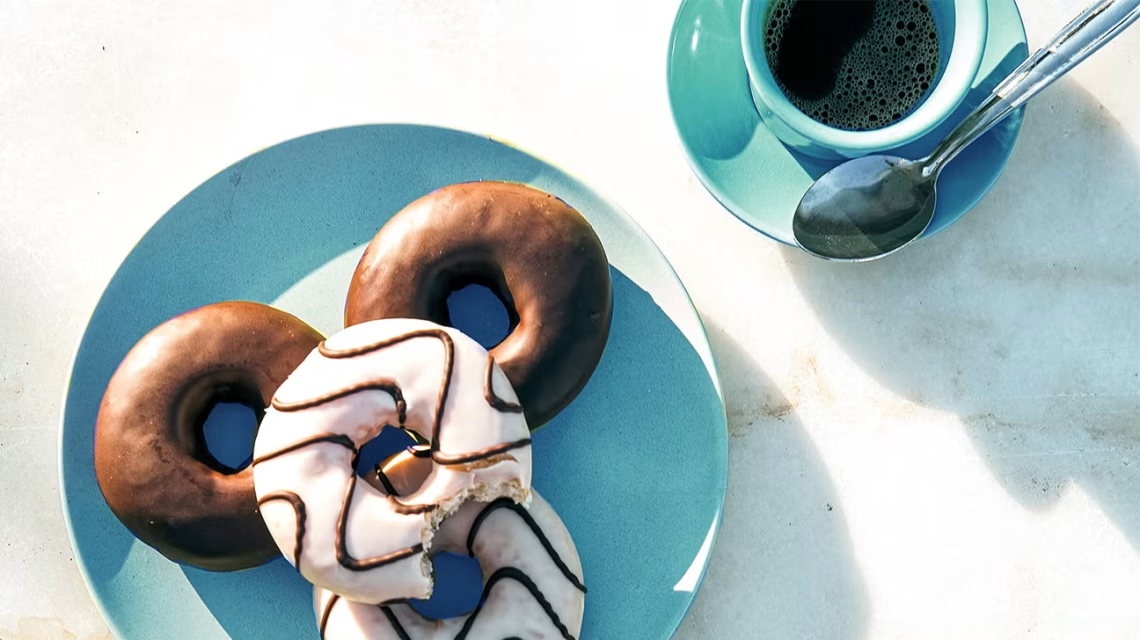
A. Caffeine-Containing Foods and Drinks

  • Blocks adenosine, the chemical that promotes sleepiness.
  • Examples: Coffee, energy drinks, black or green tea, chocolate (especially dark chocolate)
  • Tip: Avoid at least 6 hours before bedtime.

B. Alcohol

  • While it may initially cause drowsiness, alcohol disrupts deep sleep and increases nighttime awakenings.
  • Examples: Beer, wine, spirits

C. Sugary or High-Glycemic Foods

  • Cause blood sugar spikes and crashes, which can wake you during the night.
  • Examples: Candy, pastries, sodas, sweetened cereals

D. Spicy Foods

  • Can trigger heartburn or indigestion, delaying sleep onset.
  • Examples: Chili, hot sauces, heavily spiced dishes

E. Fatty or Fried Foods

  • Slow digestion and can cause discomfort at night.
  • Examples: Burgers, fries, creamy sauces, fried snacks

F. Large Meals Before Bed

  • Overeating strains the digestive system, leading to acid reflux and restless sleep.
  • Tip: Finish large meals 2–3 hours before bedtime.

3. Practical Tips for Nighttime Eating

  1. Keep snacks light if needed close to bedtime
  2. Pair protein with complex carbs to promote tryptophan absorption
  3. Stay hydrated, but avoid excessive water right before bed to reduce nighttime bathroom trips
  4. Establish a consistent evening routine, including mindful eating and avoiding stimulating foods

Conclusion

Food and beverage choices play a critical role in sleep quality and onset. Embracing tryptophan-rich foods, magnesium, complex carbs, melatonin-containing foods, and herbal teas can help you fall asleep faster and stay asleep longer. Conversely, avoiding caffeine, alcohol, sugary foods, spicy dishes, and heavy meals in the evening prevents disruptions and supports restorative rest.

By combining smart nutrition with good sleep hygiene, you can naturally enhance both sleep and overall well-being.

FAQs

1. Can a small snack help me fall asleep?

Yes. A light snack with protein and complex carbs can prevent hunger-related sleep disturbances.

2. How long before bed should I avoid caffeine?

Avoid caffeine for at least 6 hours before bedtime.

3. Is dark chocolate okay at night?

Limit dark chocolate in the evening due to caffeine and stimulants like theobromine.

4. Can herbal tea replace sleep supplements?

Herbal teas like chamomile can promote relaxation naturally, often making supplements unnecessary.

5. How important is meal timing for sleep?

Very important. Finish large meals 2–3 hours before bedtime to avoid reflux and discomfort.