Introduction
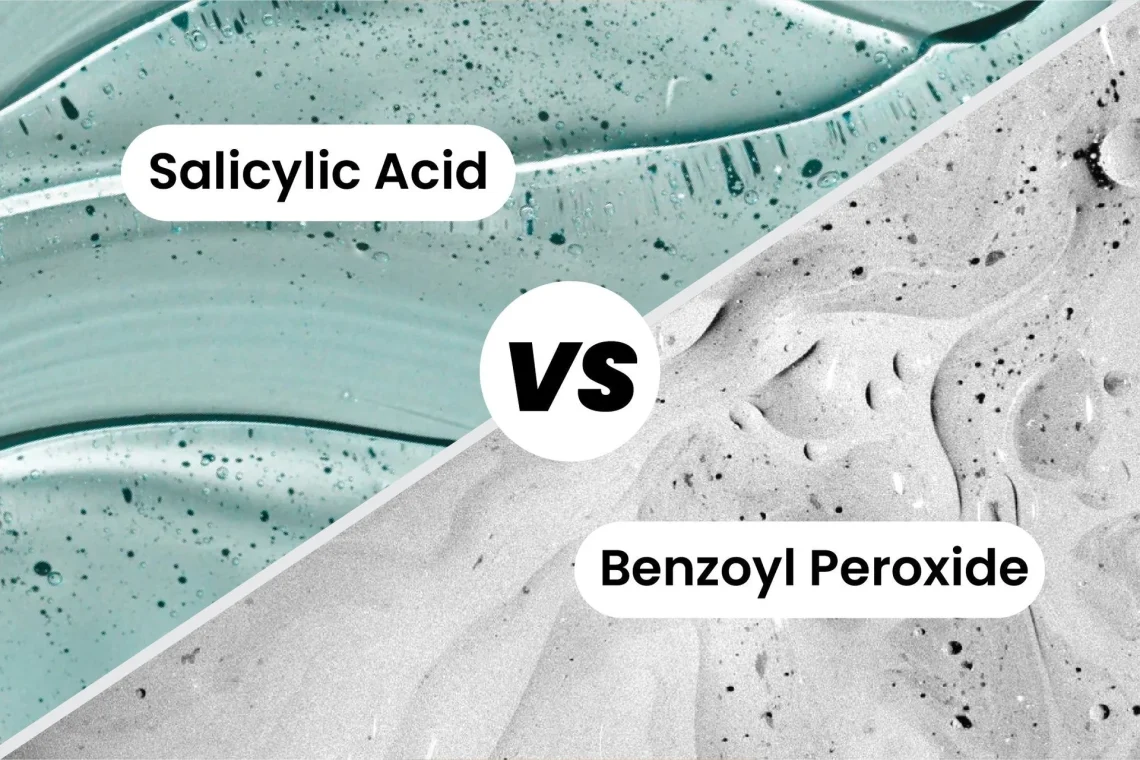
Acne breakouts are frustrating, but targeted spot treatments can help reduce inflammation, unclog pores, and speed healing. Two of the most popular and effective over-the-counter ingredients are Benzoyl Peroxide (BP) and Salicylic Acid (SA). Understanding how they work, when to use each, and potential side effects can help you choose the right treatment for your skin.
1. How Spot Treatments Work
Spot treatments are applied directly to active pimples, aiming to:
- Kill acne-causing bacteria
- Reduce inflammation and redness
- Exfoliate dead skin cells and prevent clogged pores
- Accelerate healing of blemishes
Unlike full-face treatments, spot treatments target specific problem areas, minimizing irritation to surrounding skin.
2. Benzoyl Peroxide (BP)
How It Works
- BP kills Cutibacterium acnes bacteria, which contribute to pimples
- Has anti-inflammatory properties, reducing redness and swelling
- Promotes mild peeling, helping to unclog pores
Strengths
- Highly effective for inflamed pimples, pustules, and cystic acne
- Works quickly, often reducing blemish size in 1–3 days
- Available in 2.5%–10% concentrations
Precautions
- Can cause dryness, redness, or peeling
- May bleach fabrics or hair
- Start with lower concentrations to assess tolerance
- Avoid combining with harsh scrubs or strong retinoids initially
3. Salicylic Acid (SA)
How It Works
- SA is a beta-hydroxy acid (BHA) that exfoliates inside pores
- Helps prevent future breakouts by removing dead skin cells
- Reduces inflammation and minor redness
Strengths
- Ideal for whiteheads, blackheads, and mild inflammatory pimples
- Gentler than benzoyl peroxide for sensitive skin
- Can be found in 0.5%–2% spot treatments or cleansers
Precautions
- Can cause mild dryness or stinging, especially in higher concentrations
- Overuse may lead to skin irritation, so use sparingly
- Combine with moisturizer to prevent excessive dryness
4. Comparing Benzoyl Peroxide and Salicylic Acid
| Feature | Benzoyl Peroxide | Salicylic Acid |
| Primary Action | Kills bacteria | Exfoliates pores |
| Best For | Inflamed, cystic pimples | Whiteheads, blackheads, mild pimples |
| Speed | Rapid, often 1–3 days | Slower, preventive effect |
| Skin Sensitivity | Can be harsh | Gentler, suitable for sensitive skin |
| Side Effects | Dryness, peeling, bleaching | Mild dryness, irritation |
5. Tips for Effective Spot Treatment
- Cleanse first: Apply to clean, dry skin
- Use a thin layer: Avoid over-application to reduce irritation
- Moisturize: Prevents excessive dryness, especially with BP
- Be patient: Some treatments take a few days to work
- Avoid mixing strong actives at the same time (e.g., high-strength retinoids with BP)
6. When to See a Dermatologist
- Frequent or severe breakouts
- Cystic or nodular acne that does not respond to OTC treatments
- Skin reacts with severe redness, swelling, or irritation
- Wanting prescription-strength alternatives or combination therapy
Conclusion
Benzoyl Peroxide and Salicylic Acid are cornerstones of spot treatment for acne, each with unique strengths. Benzoyl Peroxide excels at treating inflamed pimples quickly, while Salicylic Acid is ideal for preventing future breakouts and clearing clogged pores. By understanding your skin type, the type of blemishes, and proper usage, you can effectively reduce breakouts and achieve clearer, healthier skin.
FAQs
1. Can I use BP and SA together?
Generally, use them at different times (e.g., SA at night, BP in the morning) to reduce irritation.
2. How quickly does BP work on pimples?
Often 1–3 days for noticeable improvement, depending on severity.
3. Is SA safe for sensitive skin?
Yes, low concentrations (0.5%–2%) are usually gentle and effective.
4. Can spot treatments prevent future acne?
SA helps prevent clogged pores, while BP mainly targets active pimples.
5. Should I moisturize after using BP or SA?
Yes. Moisturizing prevents dryness and irritation without reducing effectiveness.