Introduction
While topical products and oral medications form the foundation of acne treatment, professional in-clinic procedures can significantly enhance results—especially for stubborn, moderate, or persistent acne. Dermatologists and licensed estheticians offer targeted therapies that help reduce breakouts, unclog pores, minimize inflammation, and improve skin texture.
This article explores the three most effective professional acne treatments: chemical peels, laser therapy, and extractions. Understanding how each works, who they’re suitable for, and what results to expect can help you choose the best treatment for your skin.
Why Professional Acne Treatments Matter
Professional treatments offer benefits that at-home skincare cannot achieve:
- Faster, deeper results
- Controlled exfoliation
- Reduction in acne-causing bacteria
- Pore cleansing at a deeper level
- Fading of marks, scars, and pigmentation
- Prevention of future breakouts
They are especially helpful for people dealing with:
- Cystic acne
- Recurrent clogged pores
- Acne scars or pigmentation
- Resistant acne despite medications
- Body acne
1. Chemical Peels for Acne
What Are Chemical Peels?
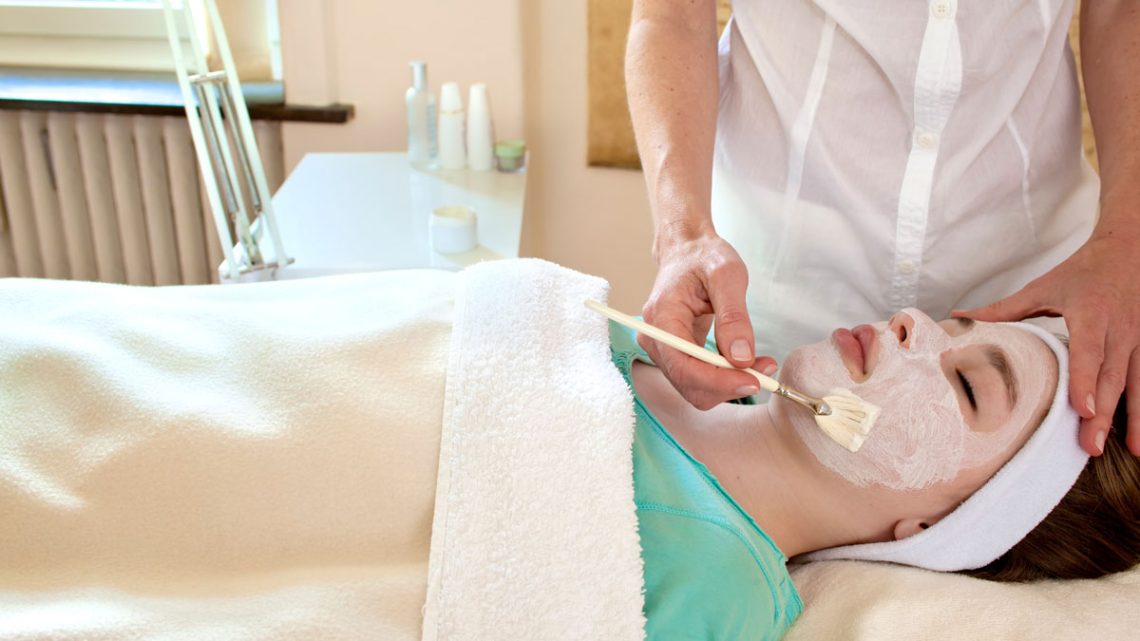
Chemical peels use safe, controlled acids to exfoliate the top layers of skin. They dissolve dead skin cells, unclog pores, and accelerate cell renewal.
Types of Peels Commonly Used for Acne
- Salicylic Acid Peels (BHA)
- Oil-soluble
- Penetrates deep into pores
- Excellent for blackheads, whiteheads, and oily skin
- Glycolic Acid Peels (AHA)
- Brightens skin
- Helps even tone and fade dark marks
- Good for superficial acne and pigmentation
- Lactic Acid Peels
- Gentle, hydrating
- Suitable for sensitive skin
- Jessner’s Peel
- Strong combination peel
- Effective for deeper acne, scars, and hyperpigmentation
- TCA Peels
- Medium-depth peel
- Used for acne scars more than active acne
Benefits of Chemical Peels
- Deep pore cleansing
- Reduction in blackheads and whiteheads
- Smoother skin texture
- Brighter complexion
- Decrease in oil production
- Fading post-acne marks
- Faster cell turnover
How Many Sessions Are Needed?
Usually:
- 3–6 sessions spaced 2–4 weeks apart
Mild peels require little downtime, while stronger peels may cause visible peeling.
Who Should Avoid Peels?
- Pregnant or breastfeeding individuals (certain peels)
- People on Accutane (must wait 6–12 months after stopping)
- Those with active skin infections
- Individuals with extremely sensitive skin or eczema
2. Laser Therapy for Acne
Laser and light-based therapies use targeted wavelengths to kill acne-causing bacteria, reduce inflammation, and shrink oil glands. These treatments are especially useful for persistent acne and acne scars.
Types of Laser and Light Therapies
1. Blue Light Therapy
- Targets C. acnes bacteria
- Non-invasive, no downtime
- Best for mild to moderate acne
2. Red Light Therapy
- Reduces inflammation
- Supports healing
- Often combined with blue light for better results
3. Laser Resurfacing (Ablative and Non-Ablative)
- Stimulates collagen
- Helps with acne scars, texture, and deep marks
- Examples: Fraxel, CO₂ laser
4. Intense Pulsed Light (IPL)
- Reduces inflammation and redness
- Helps pigmentation and acne simultaneously
- Best for non-sensitive, fair-to-medium skin tones
5. Nd:YAG Laser
- Suitable for deeper skin tones
- Reduces inflammatory acne and scars
Benefits of Laser Therapy
- Kills acne-causing bacteria
- Reduces oil (sebum) production
- Improves skin tone and texture
- Reduces redness
- Stimulates collagen for scar healing
- Minimal downtime for many laser types
How Many Sessions Are Needed?
Depending on type:
- Blue/Red Light: 6–12 sessions
- IPL: 3–5 sessions
- Laser resurfacing: 1–3 sessions
Potential Side Effects
- Temporary redness
- Swelling
- Mild peeling
- Rare: hyperpigmentation or burns if not done by experienced providers
3. Extractions for Acne
What Are Extractions?
Extractions are manual or mechanical removal of clogged pores (blackheads, whiteheads, and deep comedones) performed by a licensed professional.
How Extractions Work
- The skin is steamed to soften pores
- Sterile tools apply controlled pressure
- Impactions (clogged material) are removed safely
- Sometimes combined with salicylic acid or enzyme masks
Benefits of Extractions
- Immediate pore clearing
- Reduction in blackheads and whiteheads
- Better absorption of skincare products
- Prevention of future breakouts
- Cleaner, smoother texture
Why DIY Extractions Are Harmful
- Causes scarring
- Spreads bacteria
- Leads to more inflammation
- Incorrect pressure can rupture deeper tissue
Professional extractions minimize damage and reduce infection risk.
Who Should Get Extractions?
They are ideal for:
- Blackhead-prone skin
- Whiteheads and closed comedones
- People with frequent clogged pores
- Those preparing for chemical peels or facials
Combining Professional Treatments for Best Results
Most people benefit most from combination therapy, such as:
- Peels + extractions
- Lasers + peels
- Extractions + LED therapy
- Acne medications + in-clinic treatments
Dermatologists often design a customized plan depending on:
- Acne type
- Skin sensitivity
- Oil production
- Scarring or pigmentation
Who Should Seek These Professional Treatments?
You may be a good candidate if:
- Acne is persistent despite good skincare
- Topicals or oral medications aren’t enough
- You experience frequent clogged pores
- You have scars, texture issues, or discoloration
- You want faster or more noticeable improvement
Cost and Downtime Overview
| Treatment | Cost Range | Downtime |
| Chemical Peels | Low–Moderate | None to 3 days |
| Laser Therapy | Moderate–High | None to 1 week |
| Extractions | Low–Moderate | None |
Costs vary by country, clinic, and intensity of treatment.
Conclusion
Chemical peels, laser therapy, and extractions are powerful tools in managing acne and improving overall skin health. While peels exfoliate and unclog pores, lasers reduce inflammation and oil production, and extractions physically clear blockages safely. When used alone or in combination, these treatments can significantly enhance results and help prevent acne scars and pigmentation.
Professional intervention is especially valuable for stubborn or long-standing acne that does not respond to home care. By working closely with a qualified dermatologist or skincare expert, you can design a treatment plan tailored to your acne type, skin needs, and long-term goals.
FAQs
1. Do chemical peels hurt?
Most people feel mild tingling or warmth; stronger peels may sting slightly.
2. Can laser therapy cure acne permanently?
It reduces breakouts and oil production, but maintenance sessions may be needed.
3. How often should I get extractions?
Every 4–6 weeks, depending on how fast your pores clog.
4. Are these treatments safe for dark skin?
Yes, but certain lasers and peels require a specialist experienced with deeper skin tones.
5. Can I combine peels, lasers, and medications?
Yes—combination therapy often gives the best results.