Introduction
While acne is commonly associated with teenagers, a significant number of adults—especially women—continue to struggle with persistent breakouts well into their 20s, 30s, 40s, and even 50s. Adult acne can be frustrating because its causes are more complex, often tied to internal factors such as hormones, stress, or medical conditions. It can also be stubborn, requiring a more personalized and layered treatment approach than adolescent acne.
This detailed guide explains why acne happens in adults, the key differences from teenage acne, and the most effective treatment strategies to regain clear, healthy skin.
Understanding Adult Acne
How Adult Acne Differs from Teenage Acne
- Hormonal dominance: Adult acne is more influenced by hormonal fluctuations—menstrual cycles, pregnancy, PCOS, perimenopause.
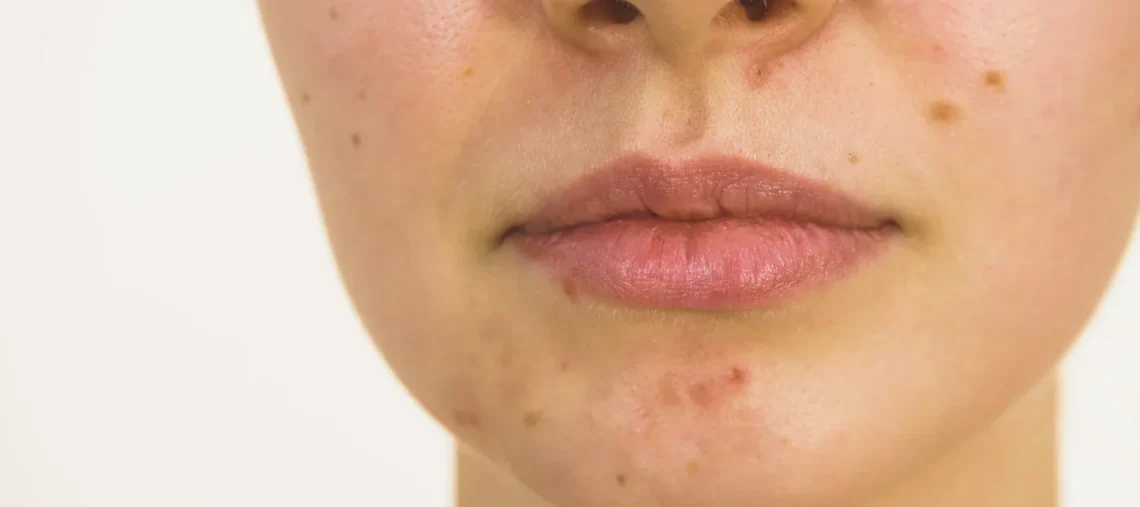
- Location: Breakouts often appear on the lower face, chin, and jawline.
- Skin type considerations: Adults commonly have sensitive, combination, or aging skin, making harsh treatments harder to tolerate.
- Slower cell turnover: Skin takes longer to heal, increasing the risk of post-inflammatory hyperpigmentation (PIH).
Common Causes of Adult Acne
1. Hormonal Fluctuations
One of the most frequent causes of adult acne is hormonal imbalance. Androgens stimulate excess oil production, clog pores, and create the perfect environment for breakouts.
Hormonal acne often:
- Appears deep under the skin (cystic)
- Worsens before menstruation
- Sits around the chin and jawline
Conditions linked to hormonal acne include:
- PCOS (Polycystic Ovary Syndrome)
- Perimenopause
- Thyroid imbalance
- Pregnancy/postpartum shifts
- Stopping/starting birth control
2. Chronic Stress
Stress increases cortisol, which triggers inflammation and sebum (oil) production. Adults often face long-term stress from work, family, financial pressures, and lack of sleep—making stress-related acne very common.
3. Skincare and Cosmetic Products
Adults may develop “cosmetic acne,” caused by:
- Heavy, occlusive, or oily products
- Comedogenic makeup
- Not washing makeup brushes
- Inconsistent cleansing
4. Diet and Lifestyle Factors
Certain foods can worsen acne in some individuals, including:
- High-glycemic carbohydrates (white bread, sweets)
- Sugary drinks
- Excess dairy (especially skim milk)
- Whey protein
- Fast food
Lifestyle triggers such as poor sleep, smoking, and dehydration can also aggravate breakouts.
5. Medications
Some medications have acne as a side effect:
- Steroids
- Testosterone supplements
- Lithium
- Antiepileptic drugs
- Certain antidepressants
6. Medical Conditions
Underlying health issues may lead to or worsen acne:
- Insulin resistance
- Thyroid problems
- Hormonal disorders (e.g., PCOS, adrenal issues)
Types of Adult Acne
Understanding your acne type helps determine the right treatment.
1. Comedonal Acne
- Blackheads and whiteheads
- Caused by clogged pores
- Often linked to skincare products or oil buildup
2. Inflammatory Acne
- Red, swollen pimples
- Bacterial activity involved
3. Cystic or Nodular Acne
- Deep, painful, under-the-skin lumps
- Strongly tied to hormones
- High risk of scarring
4. Hormonal Acne
- Flare-ups around cycle
- Chin/jawline clusters
- Often cystic
Specific Treatment Approaches for Adult Acne
1. Gentle but Consistent Skincare Routine
Adult skin needs a balanced approach—strong enough to treat acne but gentle enough to avoid irritation.
Essential steps:
- Cleanser: Gel or foaming, non-comedogenic
- Treatment: Retinoid, benzoyl peroxide, azelaic acid, or salicylic acid
- Moisturizer: Lightweight, oil-free
- SPF 30+: Daily, prevents dark spots and healing delay
2. Topical Retinoids
Retinoids are first-line treatment for adults because they:
- Unclog pores
- Increase cell turnover
- Reduce fine lines (added anti-aging benefit)
- Improve pigmentation from past acne
Common options:
- Adapalene
- Tretinoin
- Tazarotene
3. Benzoyl Peroxide (BPO)
Great for inflammatory acne and preventing bacterial overgrowth.
Use lower strengths (2.5%) for adult skin to avoid dryness.
4. Salicylic Acid
Ideal for unclogging pores and controlling oil. Good for comedonal acne.
5. Azelaic Acid
A gentle multitasker:
- Reduces acne
- Fades dark spots
- Safe for pregnancy
- Anti-inflammatory
Perfect for adults with sensitive skin.
6. Hormonal Therapy for Women
These treatments directly target the internal triggers of hormonal acne.
Birth Control Pills
Regulate hormones; especially useful for cycle-related breakouts.
Spironolactone
A popular and effective anti-androgen medication that:
- Reduces oil production
- Fewer breakouts over time
- Treats stubborn jawline acne
Often recommended for women 20–45 with recurring cystic acne.
7. Oral Antibiotics
Short-term use for moderate to severe inflammatory acne:
- Doxycycline
- Minocycline
- Sarecycline
Always paired with topical treatment to reduce resistance.
8. Isotretinoin (Accutane)
For severe or resistant adult acne.
Benefits:
- Shrinks oil glands permanently
- Long-term remission
- Reduces scarring risk
Needs close medical supervision.
9. Professional Treatments
Great for stubborn acne or to address scarring and pigmentation.
Chemical Peels
- Reduce breakouts
- Smooth skin texture
- Help with pigmentation
Laser and Light Therapy
- Kills acne bacteria
- Reduces redness
- Improves texture
Extractions
- Clears clogged pores safely
- Prevents future breakouts
Lifestyle Adjustments for Adult Acne
Stress Management
- Meditation
- Yoga
- Consistent sleep schedule
- Exercise
Diet Improvements
Consider reducing:
- Sugar
- High-glycemic foods
- Whey protein
- Skim milk
Increase:
- Water
- Vegetables & fruits
- Omega-3s
Avoid Picking
Prevents scarring and hyperpigmentation.
When to See a Dermatologist
Seek professional help if:
- Acne is painful or cystic
- Over-the-counter products stop helping
- Acne affects confidence or mental health
- You suspect a hormonal imbalance
- Scars or dark marks are developing
Early treatment prevents long-term skin and emotional consequences.
Conclusion
Adult acne is a complex and often frustrating condition influenced by hormones, stress, lifestyle, and genetics. But the good news is that you have more treatment options than ever—ranging from gentle topical products to targeted hormonal therapies and advanced dermatological procedures. With consistency, a tailored routine, and the right guidance, adult acne can be effectively managed, and clearer, healthier skin is completely achievable.
FAQs
1. Why do I still have acne as an adult?
Hormones, stress, lifestyle habits, and certain medical conditions commonly trigger adult acne.
2. Is adult acne harder to treat than teenage acne?
Yes—adult skin is more sensitive and slower to heal, and triggers are often internal.
3. Can hormonal acne be cured?
It can be managed very effectively with treatments like birth control pills or spironolactone.
4. Does diet really affect adult acne?
For some people, sugar, high-glycemic foods, and dairy can worsen acne.
5. Can stress cause breakouts?
Yes, stress increases cortisol, which raises oil production and inflammation.