Introduction
Snoring is a common sleep disturbance affecting millions of people worldwide. While often viewed as a harmless annoyance, persistent snoring can disrupt sleep quality, strain relationships, and sometimes signal underlying issues such as obstructive sleep apnea (OSA). One of the simplest and most effective behavioral strategies for managing snoring is positional therapy—a method that encourages sleeping on the side rather than on the back. This approach can significantly minimize airway obstruction, reduce vibration in the throat, and promote smoother breathing during sleep.
This article explores why sleeping position matters, how positional therapy works, who can benefit from it, and the tools and techniques that help train the body to sleep laterally.
Why Sleeping Position Matters
Snoring happens when the airway becomes partially blocked, causing airflow to create soft tissue vibrations. Back sleeping (supine position) increases the risk of airway collapse due to gravity, especially in those with narrow airways, obesity, nasal congestion, or weak throat muscles.
How Back Sleeping Contributes to Snoring
- The tongue falls backward.
- The soft palate collapses toward the throat.
- The airway becomes narrower.
- Breathing becomes turbulent and noisy.
Why Side Sleeping Helps
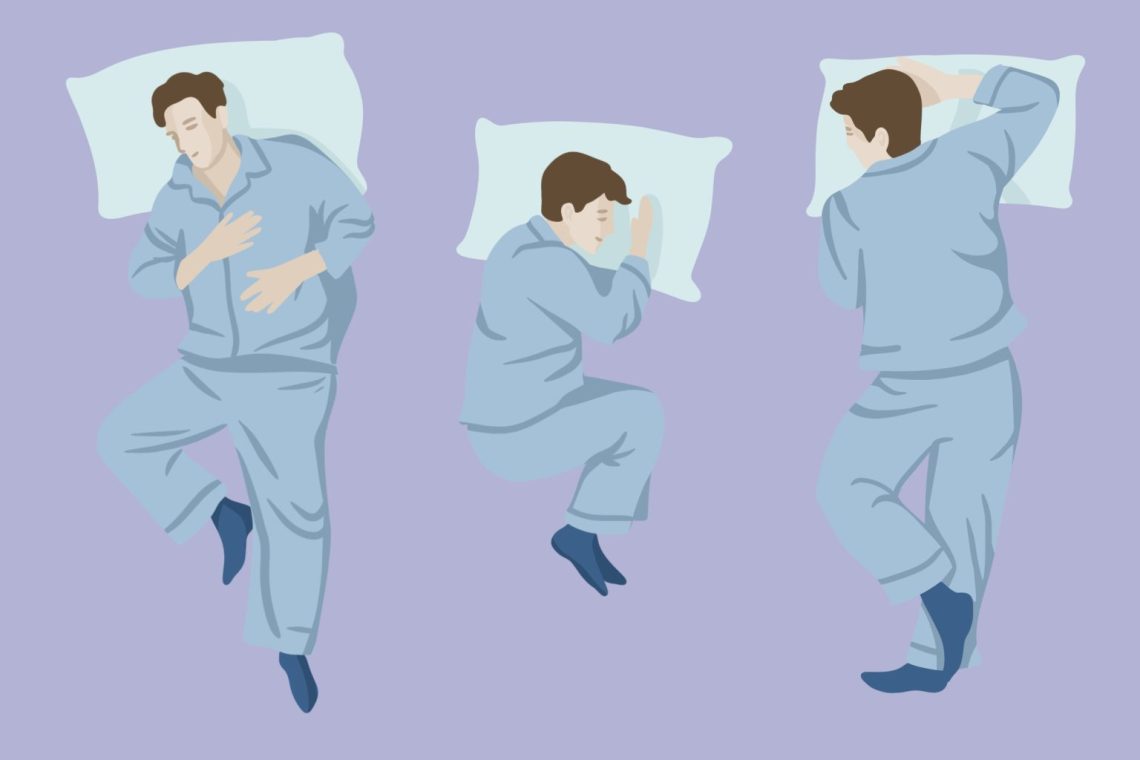
Side sleeping keeps the airway.
- Open and more stable
- Less prone to collapse
- Better aligned for smooth airflow
As a result, snoring and sleep-disordered breathing events are often reduced significantly.
What Is Positional Therapy?
Positional therapy includes any method designed to keep an individual sleeping on their side throughout the night. It aims to correct positional snoring, where snoring occurs primarily or exclusively when sleeping on the back.
Positional Therapy Is Most Effective When:
- Snoring occurs mainly in the supine position
- Mild to moderate obstructive sleep apnea is positional
- Weight-related airway collapse is mild
- Sleep habits can be modified consistently
Types of Positional Therapy
1. DIY Home Methods
These simple strategies help encourage side sleeping without special equipment:
Tennis Ball Technique
A tennis ball (or similar object) is attached to the back of a shirt or pajamas. The discomfort discourages rolling onto the back during sleep.
Backpack Technique
Using a small backpack filled with soft items like towels keeps the person from naturally rolling onto their back.
Pillow Support
Placing a firm pillow behind the back or using body pillows promotes side positioning.
2. Positional Sleep Devices
These are specially designed tools that are more comfortable and practical than DIY methods.
Positional Belts
Adjustable belts with soft foam wedges prevent back sleeping without causing pain.
Wearable Position Trainers
Small high-tech devices worn on the chest or neck that vibrate gently when you roll onto your back—training your brain over time to stay on your side.
Wedge Pillows
Elevating the upper body and reduce snoring for some individuals, particularly those with reflux-related breathing issues.
3. Behavioral and Sleep Coaching Approaches
Sometimes snoring is tied to habits or environments rather than anatomy alone.
Behavioral Therapy Includes:
- Sleep posture awareness training
- Improving sleep hygiene
- Reducing alcohol at night
- Weight management
- Strengthening respiratory muscles
This form of therapy can complement positional devices for long-term success.
Who Benefits Most from Positional Therapy?
Positional therapy may be especially effective for:
1. Mild to Moderate Snorers
Those whose snoring intensifies when lying on the back.
2. Individuals with Positional Obstructive Sleep Apnea
Around 50–60% of OSA patients have “positional OSA,” where symptoms are significantly worse when supine.
3. People with Nasal Congestion
Allergies, sinus issues, or anatomical congestion benefit from improved airway alignment during side sleeping.
4. Individuals Who Cannot Tolerate CPAP
Positional therapy is a non-invasive alternative that can reduce symptoms for some.
Limitations of Positional Therapy
While helpful for many, positional therapy is not a complete solution for everyone.
It May Not Work Well If:
- OSA is severe
- Airway obstruction is constant regardless of position
- There are structural issues (e.g., enlarged tonsils, deviated septum)
- The person frequently tosses and turns
- Weight is a major contributing factor
In such cases, positional therapy should be combined with medical treatments like CPAP, oral appliances, or surgery.
Tips for Effective Side Sleeping
- Use a firm, supportive pillow that keeps your head aligned
- Consider a body pillow for comfort and to reduce rolling
- Choose a mattress that supports side sleeping without pressure points
- Try a vibrational positional trainer to reinforce the habit
- Avoid alcohol before bed, as it worsens airway relaxation
Consistency is key—positional sleep training becomes easier over time.
Conclusion
Positional therapy is a simple, non-invasive, and cost-effective strategy for reducing snoring and improving sleep quality. By training the body to sleep on the side, individuals with positional snoring or mild to moderate sleep-disordered breathing may experience significant relief. While not a universal cure, positional therapy offers a practical tool that can be used alone or alongside medical treatments.
If snoring persists despite positional changes—or if it’s accompanied by choking, gasping, daytime fatigue, or morning headaches—professional evaluation for sleep apnea is essential.
FAQs
1. Can just sleeping on your side completely stop snoring?
For many people with positional snoring, yes. But for others with anatomical or medical causes, positional therapy reduces but does not eliminate snoring.
2. How long does it take to train yourself to sleep on your side?
Most people adapt within 2–4 weeks, especially with positional devices.
3. Is positional therapy helpful for sleep apnea?
It can be very helpful for positional OSA, but severe OSA generally requires additional treatments like CPAP.
4. Are tennis-ball techniques uncomfortable?
Traditional tennis-ball methods can be uncomfortable, but modern positional belts are much gentler and more effective.
5. Should I see a doctor for snoring?
Yes, if snoring is loud, nightly, or accompanied by gasping, choking, or excessive daytime sleepiness—these symptoms may indicate sleep apnea.