Introduction
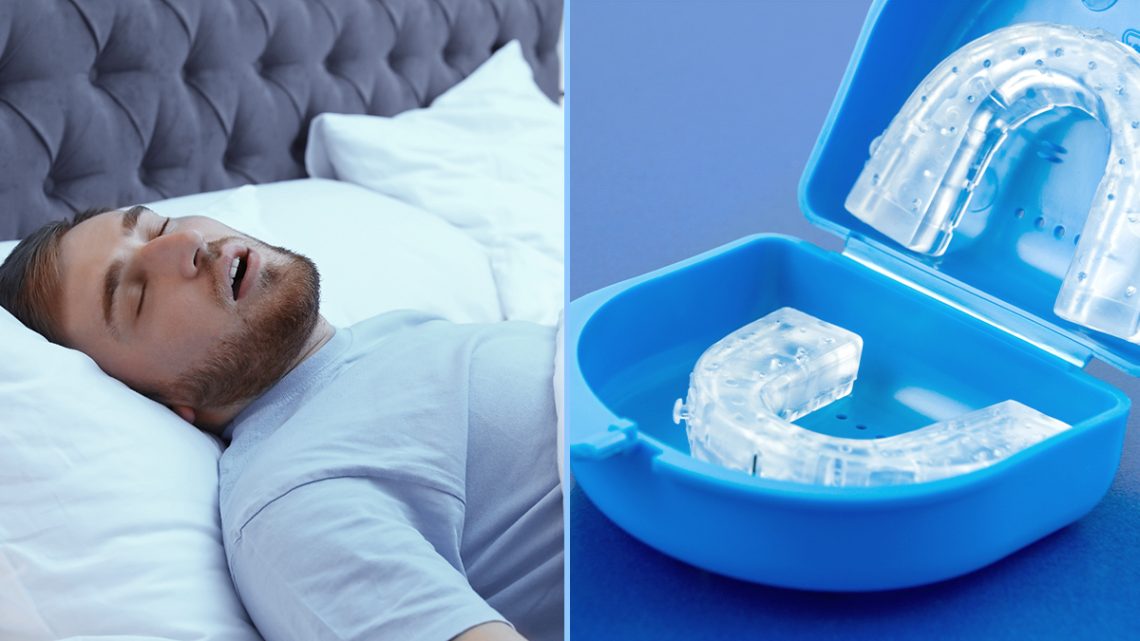
Snoring and obstructive sleep apnea (OSA) are common sleep-related problems that can affect both health and quality of life. For many people, lifestyle changes, positional therapy, and nasal treatments are helpful, but sometimes additional solutions are needed. Mandibular Advancement Devices (MADs) are one of the most widely used oral appliances designed to reduce snoring and mild-to-moderate sleep apnea. They work by repositioning the lower jaw (mandible) to keep the airway open during sleep.
This article explores how MADs work, their benefits, limitations, and important considerations before choosing one.
How Mandibular Advancement Devices Work
Mechanism of Action
- MADs fit over the upper and lower teeth, similar to a mouthguard
- They gently advance the lower jaw forward during sleep
- This forward movement pulls the tongue and soft tissues away from the back of the throat, reducing airway obstruction
- The device also stabilizes the jaw to prevent collapse of soft tissue that contributes to snoring
Who Typically Benefits
- People with mild-to-moderate OSA
- Snorers with throat or tongue-based obstruction
- Those who cannot tolerate CPAP machines
- Individuals seeking a non-invasive, portable solution
Pros of Mandibular Advancement Devices
1. Non-Invasive and Convenient
- No surgery required
- Easy to wear and remove
- Portable for travel and flexible use
2. Effective for Snoring and Mild Sleep Apnea
- Reduces vibration and airway obstruction
- Studies show 30–60% reduction in snoring for many users
- Can improve oxygen levels in mild-to-moderate OSA
3. Better Tolerance Compared to CPAP
- Many users find MADs more comfortable than continuous positive airway pressure (CPAP) masks
- Less noisy and more discreet
4. Can Improve Daytime Symptoms
- Reduces daytime sleepiness and fatigue
- Improves focus, energy, and mood for some users
5. Adjustable
- Many MADs allow gradual advancement to improve comfort and effectiveness
- Custom-fitted devices by dentists optimize fit and reduce jaw discomfort
Cons of Mandibular Advancement Devices
1. Jaw and Dental Side Effects
- Mild jaw soreness or stiffness, especially during initial use
- Teeth shifting or bite changes over long-term use
- TMJ discomfort in some users
2. Limited Effectiveness in Severe OSA
- Not suitable for severe obstructive sleep apnea
- CPAP or surgical options may be necessary for severe cases
3. Compliance Issues
- Some people cannot tolerate wearing a device nightly
- Discomfort, drooling, or gag reflex can limit use
4. Cost Considerations
- Custom MADs can be expensive, though less than surgical options or lifelong CPAP
- Over-the-counter versions exist but are less effective
5. Need for Professional Supervision
- Fitting should be done by a trained dentist or sleep specialist
- Regular follow-ups are required to monitor jaw, teeth, and bite alignment
Tips for Using MADs Effectively
- Get a custom-fit device for optimal comfort and effectiveness
- Start gradually, advancing the jaw in small increments
- Maintain regular dental check-ups to monitor teeth and jaw alignment
- Combine with lifestyle changes such as weight management, side-sleeping, and avoiding alcohol before bed
- Use consistently every night for best results
Conclusion
Mandibular Advancement Devices offer a non-invasive, effective option for snoring and mild-to-moderate sleep apnea. They are particularly useful for people who cannot tolerate CPAP therapy or who prefer a portable, convenient solution. While MADs have notable benefits—including improved airway patency, better sleep quality, and reduced daytime sleepiness—they are not without limitations, including jaw discomfort, dental changes, and limited effectiveness for severe cases. Consulting a dentist or sleep specialist is essential to ensure safe, effective use and to maximize benefits.
FAQs
1. Are MADs suitable for everyone who snores?
No. They are most effective for snoring caused by airway obstruction in the throat or tongue, not primarily nasal blockage.
2. Can MADs replace CPAP for sleep apnea?
Only for mild-to-moderate OSA. Severe cases typically require CPAP or other medical interventions.
3. How long does it take to notice improvement?
Many users notice reduced snoring and better sleep within 1–2 weeks, though full benefits may take longer.
4. Are over-the-counter MADs effective?
They can provide mild relief but are less effective and less comfortable than custom-fitted devices.
5. Can MADs cause permanent jaw problems?
Long-term use may alter bite or teeth alignment in some users, which is why regular dental supervision is recommended.