Introduction
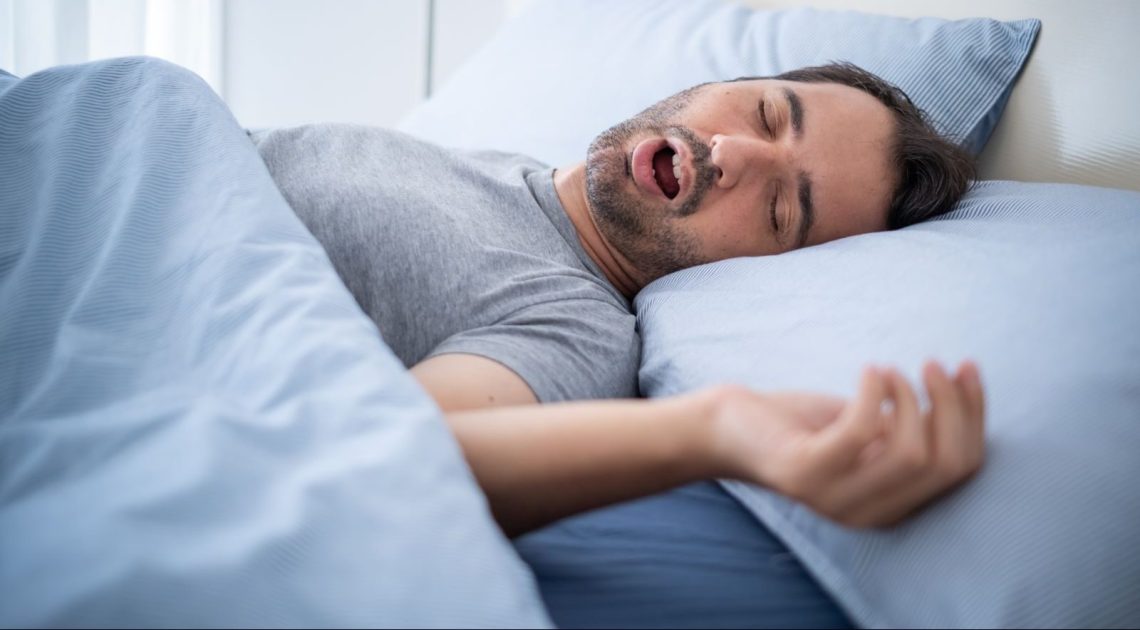
Snoring is often dismissed as a minor annoyance, but it can sometimes be a sign of a more serious condition: obstructive sleep apnea (OSA). Sleep apnea occurs when the airway becomes partially or completely blocked during sleep, leading to interrupted breathing, low oxygen levels, and fragmented sleep. While not all snorers have sleep apnea, loud, frequent snoring is one of the most common warning signs. Understanding the link between snoring and sleep apnea—and knowing when to get tested—is crucial for long-term health and well-being.
This article explores the connection between snoring and sleep apnea, key symptoms, risk factors, and guidance on when to seek professional evaluation.
Understanding Snoring vs. Sleep Apnea
Snoring
- Occurs when air passes through a partially blocked airway, causing soft tissues to vibrate
- Can be occasional or chronic
- Often louder when sleeping on the back or after alcohol consumption
Sleep Apnea
- A medical condition where breathing pauses or becomes very shallow during sleep
- Causes fragmented sleep and low oxygen levels
- Can lead to serious health issues if untreated, including high blood pressure, heart disease, stroke, and daytime fatigue
Key Difference: Snoring is a symptom; sleep apnea is a disorder. Not all snorers have sleep apnea, but most people with OSA snore.
Risk Factors for Sleep Apnea
1. Obesity
- Extra fat around the neck narrows the airway
- Even a moderate weight gain can increase apnea risk
2. Age
- Risk increases with age, particularly after 40
- Muscle tone in the airway decreases, increasing collapsibility
3. Gender
- Men are more likely than women to develop sleep apnea
- Post-menopausal women have higher risk than younger women
4. Anatomical Factors
- Narrow airway, enlarged tonsils, elongated soft palate, or a deviated septum
- Tongue or jaw structure can also contribute
5. Lifestyle Factors
- Alcohol and sedatives relax throat muscles, worsening airway collapse
- Smoking increases airway inflammation
6. Family History
- Genetics play a role; sleep apnea often runs in families
Warning Signs You May Need Testing
1. Loud, Chronic Snoring
- Frequent, nightly snoring, often loud enough to disturb others
2. Pauses in Breathing or Gasping
- Witnessed by a partner
- May occur dozens of times per hour
3. Excessive Daytime Sleepiness
- Falling asleep during the day, even after sufficient sleep
4. Morning Headaches or Dry Mouth
- Result from low oxygen or mouth breathing at night
5. Cognitive and Mood Changes
- Difficulty concentrating, irritability, or depression
6. Nighttime Sweating and Restless Sleep
- Frequent awakenings or tossing and turning
When to Get Tested
Sleep apnea testing is recommended if you have:
- Moderate-to-severe snoring
- Witnessed apneas or gasping
- Excessive daytime sleepiness
- High-risk factors (obesity, age, anatomical issues, hypertension)
Types of Sleep Studies
- Polysomnography (PSG)
- Conducted in a sleep lab
- Measures oxygen, airflow, brain waves, heart rate, and more
- Home Sleep Apnea Test (HSAT)
- Measures breathing, oxygen levels, and snoring at home
- Less comprehensive but convenient for many patients
A sleep specialist can determine the best testing option based on your symptoms and risk profile.
Why Early Diagnosis Matters
- Prevents serious health complications such as heart disease, stroke, and high blood pressure
- Improves daytime alertness and quality of life
- Enables personalized treatment: CPAP, oral appliances, positional therapy, or surgery
- Reduces risk of accidents caused by drowsiness, including car crashes
Treatment Options if Sleep Apnea is Diagnosed
- Lifestyle Changes: Weight loss, avoiding alcohol, and improving sleep hygiene
- Positional Therapy: Sleeping on your side to reduce airway collapse
- Mandibular Advancement Devices (MADs): Oral appliances that move the lower jaw forward
- CPAP (Continuous Positive Airway Pressure): Keeps the airway open with airflow
- Surgery: For structural problems such as deviated septum or enlarged tonsils
Conclusion
While occasional snoring is common and often harmless, chronic, loud snoring can indicate sleep apnea, a potentially serious condition. Recognizing the signs—such as pauses in breathing, daytime fatigue, and loud nightly snoring—and seeking timely testing can prevent long-term health complications. Early diagnosis allows for effective treatment, improved sleep quality, and better overall health. If you suspect sleep apnea, consult a sleep specialist to evaluate your risk and determine the best course of action.
FAQs
1. Does everyone who snores have sleep apnea?
No. Many people snore without having sleep apnea, but chronic loud snoring increases the risk.
2. How is sleep apnea diagnosed?
Through a sleep study, either in a lab (polysomnography) or at home (HSAT), measuring breathing, oxygen, and other sleep parameters.
3. Can lifestyle changes reduce the need for testing?
They may reduce snoring, but if warning signs like witnessed apneas or daytime sleepiness are present, testing is still important.
4. Is sleep apnea dangerous if untreated?
Yes. Untreated sleep apnea can lead to heart disease, stroke, high blood pressure, and accidents from daytime drowsiness.
5. What treatments are available for sleep apnea?
Options include CPAP, oral appliances (MADs), positional therapy, weight management, and surgery for structural issues.