Introduction
Dandruff is a common scalp condition that causes itching, flaking, and irritation. While medicated shampoos are effective, many people prefer natural remedies to manage mild to moderate dandruff. Two of the most popular natural treatments are tea tree oil and apple cider vinegar (ACV) rinses. These remedies are believed to help control fungal growth, balance scalp pH, and reduce inflammation.
This article explores how tea tree oil and apple cider vinegar work, how to use them safely, and additional tips for maintaining a healthy, flake-free scalp.
Tea Tree Oil for Dandruff
How It Works
- Tea tree oil is a natural antifungal and antibacterial agent
- Helps reduce Malassezia yeast, a key contributor to dandruff
- Soothes scalp inflammation and itching
How to Use
- Diluted Shampoo: Add 5–10 drops of tea tree oil to your regular shampoo and wash hair as usual
- Scalp Massage: Mix a few drops with a carrier oil (coconut or jojoba) and massage into the scalp for 5–10 minutes before shampooing
- Leave-In Treatment: Some people dilute tea tree oil in water and spray lightly onto the scalp
Tips
- Always dilute tea tree oil—undiluted oil can cause irritation
- Perform a patch test before first use
- Use 2–3 times per week for best results
Apple Cider Vinegar (ACV) Rinses
How It Works
- ACV has natural antimicrobial properties
- Helps balance scalp pH, reducing flaking and itchiness
- Removes residue and buildup that can worsen dandruff
How to Use
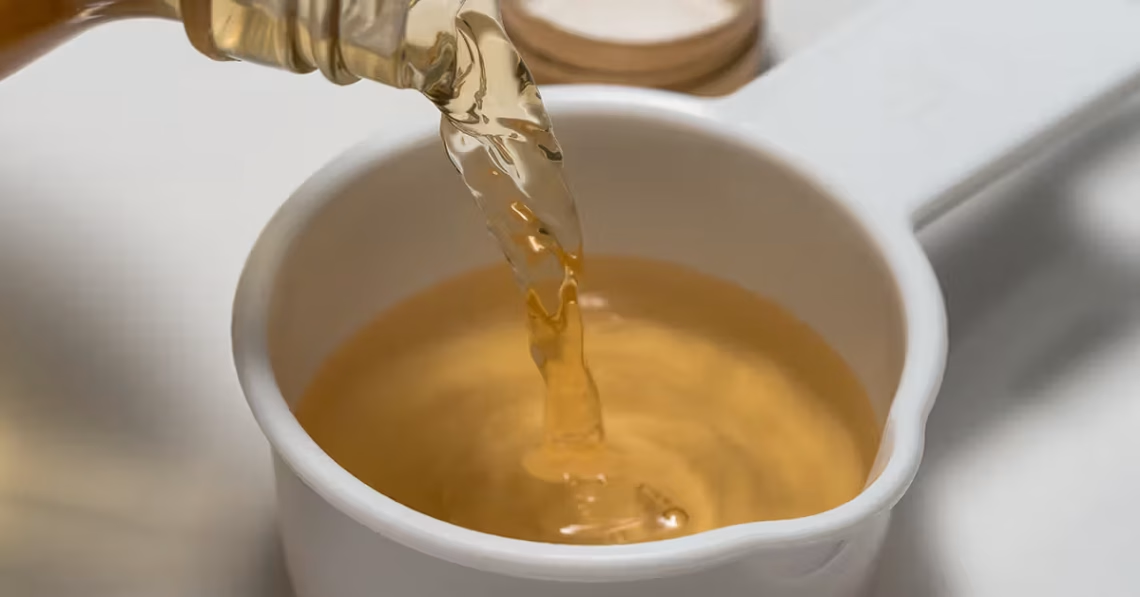
- Dilution: Mix 2–4 tablespoons of ACV with 1 cup of water
- Application: Pour the mixture over the scalp after shampooing
- Massage and Wait: Gently massage the scalp for 2–3 minutes, then rinse thoroughly
- Frequency: 1–2 times per week
Tips
- Avoid using undiluted ACV, which can burn the scalp
- Protect eyes from splashes
- Follow up with a gentle conditioner on hair ends if desired
Additional Natural Remedies
- Aloe Vera: Soothes irritation and moisturizes the scalp
- Coconut Oil: Provides antifungal benefits and reduces dryness
- Yogurt or Honey Masks: Mildly exfoliate and moisturize scalp
- Neem Oil: Traditionally used in some cultures for its antifungal properties
Lifestyle Tips for Natural Dandruff Management
- Maintain regular hair washing to remove excess oil and flakes
- Reduce stress, which can trigger seborrheic dermatitis
- Eat a balanced diet rich in zinc, omega-3 fatty acids, and probiotics
- Avoid harsh chemical hair products that irritate the scalp
- Stay hydrated to maintain scalp moisture
Conclusion
Tea tree oil and apple cider vinegar are effective natural remedies for mild to moderate dandruff. Tea tree oil works primarily as an antifungal and anti-inflammatory agent, while ACV balances scalp pH and removes buildup. Regular use, along with proper scalp hygiene and lifestyle habits, can help control flaking, reduce itching, and maintain a healthy scalp. For persistent or severe dandruff, however, consulting a dermatologist is recommended to rule out conditions like seborrheic dermatitis or psoriasis.
FAQs
1. Can tea tree oil cure dandruff?
It helps control dandruff by reducing fungal growth and inflammation but may not fully cure severe cases.
2. How often should I use ACV rinses?
1–2 times per week is sufficient for most people.
3. Can I use tea tree oil and ACV together?
Yes, but apply them separately and dilute both properly to avoid irritation.
4. Are natural remedies safe for sensitive scalp?
Generally yes, but always perform a patch test and dilute essential oils or vinegar.
5. How long before I see results from natural remedies?
Mild improvement may appear within 2–4 weeks of consistent use.