Introduction
Dandruff is a common scalp condition characterized by flaking, itching, and irritation. While genetics, stress, and scalp hygiene play significant roles, there is growing interest in the role of diet in dandruff. Certain foods may influence scalp health by affecting inflammation, oil production, and immune response, all of which can impact dandruff severity.
This article explores the potential dietary connections to dandruff, foods that may help or worsen the condition, and practical nutrition tips for a healthier scalp.
How Diet May Influence Dandruff
1. Inflammation
- Dandruff is linked to inflammatory processes in the scalp, particularly in seborrheic dermatitis
- Diets high in processed foods, sugars, and trans fats may increase systemic inflammation, potentially worsening flaking and redness
2. Sebum Production
- Excess oil production creates a favorable environment for Malassezia yeast, a fungus associated with dandruff
- High-glycemic foods and certain dairy products may stimulate sebum production in some individuals
3. Immune System Function
- A healthy immune system helps regulate skin flora and inflammation
- Nutrient deficiencies (e.g., zinc, vitamin D, omega-3 fatty acids) may compromise scalp immunity and exacerbate dandruff
Foods That May Worsen Dandruff
1. Sugary and High-Glycemic Foods
- Candy, pastries, white bread, and sugary drinks
- Can spike insulin, potentially increasing oil production and inflammation
2. Dairy Products
- Milk and cheese may influence sebum production in sensitive individuals
- Evidence is mixed; effects vary per person
3. Highly Processed and Fried Foods
- Rich in trans fats and refined oils
- May promote inflammation and exacerbate scalp irritation
Foods That May Help Improve Dandruff
1. Omega-3 Fatty Acids
- Found in fatty fish (salmon, mackerel), chia seeds, and flaxseeds
- Anti-inflammatory, help regulate oil production, and support skin barrier health
2. Zinc-Rich Foods
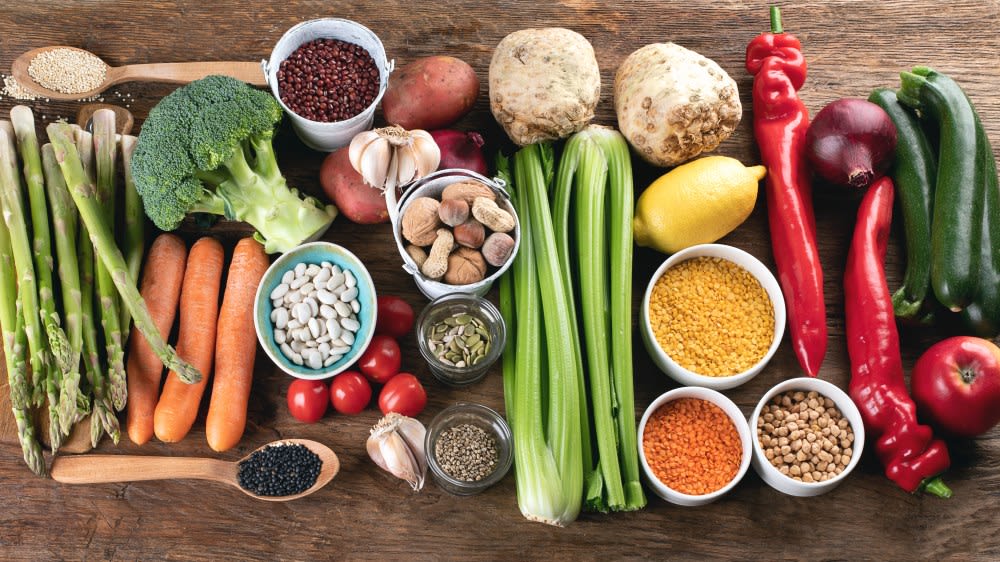
- Meat, eggs, legumes, nuts, and seeds
- Zinc plays a key role in skin repair and immune function, potentially reducing dandruff severity
3. Vitamin B Complex
- Found in whole grains, eggs, leafy greens
- Supports healthy skin and scalp function
4. Probiotic Foods
- Yogurt, kefir, kimchi, and sauerkraut
- Support gut microbiota, which may influence systemic inflammation and skin health
5. Antioxidant-Rich Foods
- Fruits and vegetables like berries, spinach, and bell peppers
- Reduce oxidative stress and inflammation that can affect the scalp
Practical Dietary Tips for Dandruff Management
- Reduce sugar and processed foods to minimize inflammation
- Incorporate fatty fish or plant-based omega-3s several times per week
- Include zinc-rich foods to support immune and skin health
- Eat colorful fruits and vegetables for antioxidants
- Stay hydrated—water helps maintain scalp moisture
- Track triggers—individual sensitivities may vary, especially with dairy or gluten
Conclusion
While dandruff is primarily influenced by genetics, scalp conditions, and hygiene, diet can play a supporting role. Foods that reduce inflammation, support immunity, and balance sebum production may help manage dandruff severity. Conversely, sugary, processed, or highly greasy foods could worsen symptoms in susceptible individuals. A balanced, nutrient-rich diet combined with proper scalp care provides the best foundation for healthy hair and a flake-free scalp.
FAQs
1. Can changing my diet cure dandruff?
Diet alone may not cure dandruff, but it can help reduce severity and support scalp health.
2. Are all dairy products bad for dandruff?
Not necessarily—effects vary between individuals. Monitoring personal triggers is recommended.
3. How does omega-3 intake affect dandruff?
Omega-3 fatty acids reduce inflammation and regulate oil production, potentially improving scalp condition.
4. Should I avoid sugar completely?
Reducing high-sugar foods is beneficial, but moderate intake is generally acceptable.
5. Can probiotics really help with scalp health?
Yes—probiotics may reduce systemic inflammation, which can indirectly benefit the scalp.