Introduction
Heart attacks, also known as myocardial infarctions, occur when blood flow to the heart is blocked, often by a blood clot or plaque buildup in the coronary arteries. Early recognition of symptoms is crucial, as timely medical intervention can save lives and reduce heart damage.
Men may experience classic heart attack signs, but symptoms can sometimes be subtle or mistaken for other conditions. Understanding these signs helps in rapid identification and immediate response.
Classic Heart Attack Symptoms in Men
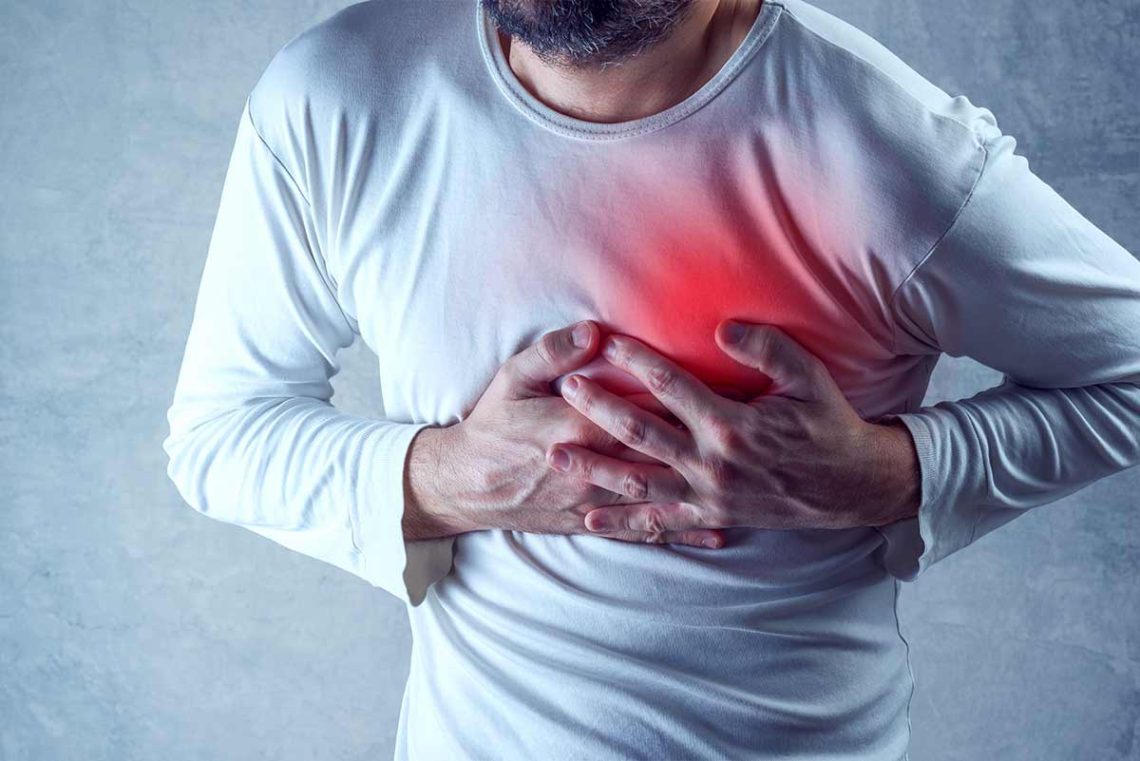
1. Chest Pain or Discomfort
- The most common symptom in men.
- Often described as pressure, squeezing, fullness, or pain in the center or left side of the chest.
- May last more than a few minutes or come and go.
- Can sometimes be mistaken for indigestion or heartburn.
2. Pain in the Arm, Shoulder, or Jaw
- Pain often radiates to the left arm, but may affect both arms, shoulders, or upper back.
- Jaw pain can be a less obvious but significant symptom, especially if accompanied by chest discomfort.
3. Shortness of Breath
- Occurs with or without chest pain.
- Can feel like difficulty breathing, tightness, or rapid breathing.
- May be more noticeable during physical activity or at rest.
4. Sweating
- Cold, clammy, or excessive sweating can accompany a heart attack.
- Often described as profuse and unexpected, sometimes mistaken for fever or exertion.
5. Nausea or Lightheadedness
- Some men experience nausea, vomiting, dizziness, or feeling faint.
- These symptoms can sometimes precede chest discomfort.
6. Fatigue
- Unusual or unexplained tiredness can occur days or hours before a heart attack, especially in men over 50.
Risk Factors for Heart Attack in Men
- Age: Risk increases after 45 years.
- Smoking: Major contributor to plaque buildup.
- High blood pressure (hypertension)
- High cholesterol
- Diabetes
- Obesity or sedentary lifestyle
- Family history of heart disease
- Stress and poor diet
Immediate Action During a Heart Attack
- Call emergency services immediately (911 or local emergency number).
- Chew an aspirin if advised by a healthcare professional and not allergic.
- Stay calm and seated or lying down to reduce heart strain.
- Do not drive yourself to the hospital; wait for emergency help.
Preventive Measures
- Adopt a heart-healthy diet: rich in fruits, vegetables, whole grains, lean protein, and healthy fats.
- Exercise regularly: aim for at least 150 minutes of moderate aerobic activity weekly.
- Quit smoking and limit alcohol consumption.
- Monitor blood pressure, cholesterol, and blood sugar.
- Manage stress through mindfulness, meditation, or counseling.
- Regular check-ups with a healthcare provider to assess cardiovascular risk.
Conclusion
Heart attacks in men often present with classic symptoms such as chest pain, arm or jaw discomfort, shortness of breath, sweating, nausea, and fatigue. Early recognition and rapid response are critical for minimizing heart damage and saving lives. Understanding risk factors, adopting a heart-healthy lifestyle, and seeking immediate medical attention during symptoms are essential strategies for prevention and effective management.
FAQs
1. What is the most common heart attack symptom in men?
Chest pain or discomfort, often described as pressure, squeezing, or fullness, is the most common symptom.
2. Can a heart attack occur without chest pain?
Yes, though less common, men may experience shortness of breath, fatigue, nausea, or jaw/arm pain without classic chest discomfort.
3. How quickly should I seek help if I suspect a heart attack?
Immediately—call emergency services at the first sign of symptoms. Time is critical.
4. Can lifestyle changes prevent heart attacks in men?
Yes, healthy diet, regular exercise, quitting smoking, and stress management significantly reduce risk.
5. Are men more likely than women to have classic heart attack symptoms?
Yes, men often show classic symptoms like chest pain and arm pain, while women may experience more atypical symptoms.