Introduction
During a heart attack or suspected stroke, every minute counts. While waiting for emergency medical services (EMS), taking the right steps can save lives, reduce heart or brain damage, and improve recovery. Many people wonder about chewing aspirin, staying calm, or positioning themselves safely. Understanding what to do in these critical moments is essential.
Call Emergency Services Immediately
- Dial 911 (or your local emergency number) immediately.
- Provide clear information: your location, symptoms, age, medical history, and whether you are alone.
- Follow the dispatcher’s instructions carefully—they may guide you on CPR, aspirin intake, or other steps.
Chewing Aspirin: When and Why
- Aspirin is a blood thinner that can help prevent blood clots from worsening a heart attack.
- Dosage: Typically, one adult-strength aspirin (325 mg) or two low-dose tablets (81 mg each).
- How to take: Chew, don’t swallow whole, to allow faster absorption.
- When to avoid:
- Allergic to aspirin
- History of bleeding disorders or recent gastrointestinal bleeding
- Already on another blood thinner without guidance
Important: Only take aspirin if recommended by a healthcare professional or emergency dispatcher.
Other Steps While Waiting
1. Stay Calm
- Anxiety increases heart rate and blood pressure, worsening heart strain.
- Practice slow, deep breathing to stay as relaxed as possible.
2. Sit or Lie Down
- Avoid physical exertion; sit upright or lie with head slightly elevated.
- Lying flat can sometimes make breathing more difficult in heart attack patients.
3. Loosen Tight Clothing
- Loosen belts, collars, or restrictive clothing to improve comfort and circulation.
4. Monitor Symptoms
- Track chest pain, shortness of breath, sweating, dizziness, or vomiting.
- Note any new symptoms and report them to the dispatcher.
5. Prepare for EMS Arrival
- Keep phone nearby and doors unlocked for quick access.
- Have medications and medical information ready (blood pressure meds, diabetes info, allergies).
6. CPR Readiness
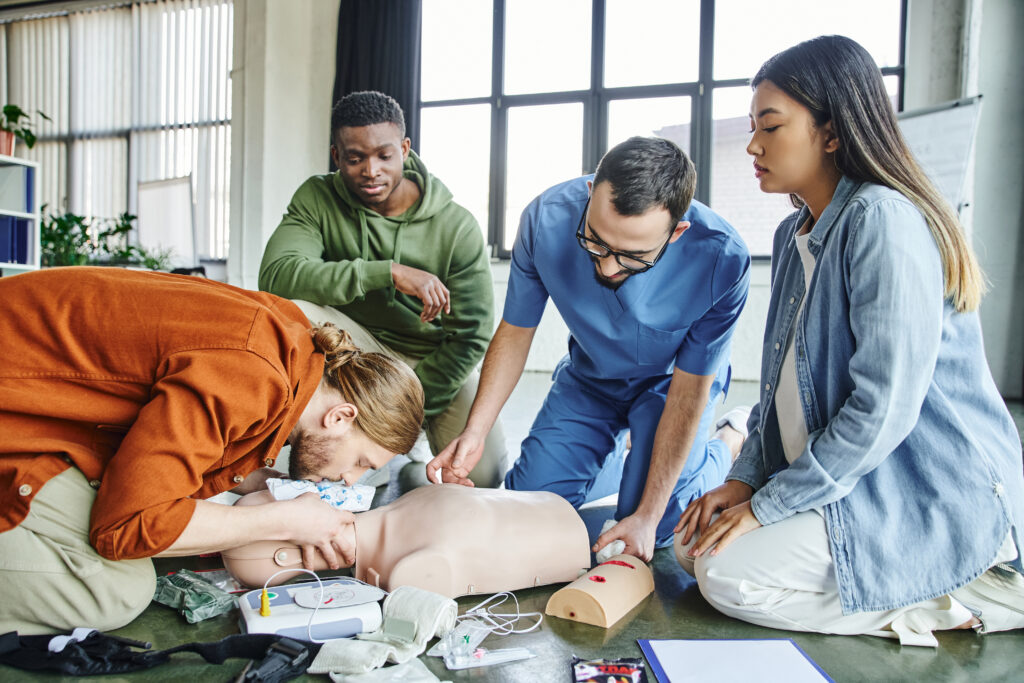
- If the person loses consciousness and has no pulse, be prepared to perform CPR if instructed by the dispatcher.
Why These Steps Matter
- Early aspirin use can limit heart muscle damage.
- Calm positioning and monitoring reduce stress and prevent complications.
- Preparedness ensures EMS can provide faster and more effective care.
- Time saved in these few minutes can mean the difference between survival and serious complications.
Conclusion
When awaiting an ambulance during a heart attack or suspected stroke, the first action is always to call emergency services immediately. Chewing aspirin can be lifesaving in heart attack scenarios, but only if it’s safe for you. Staying calm, seated or lying down safely, monitoring symptoms, and being prepared for EMS arrival all contribute to reducing risk, preserving heart or brain function, and improving outcomes. Every minute matters—these simple steps can make a critical difference.
FAQs
1. Should I always chew aspirin while waiting for an ambulance?
Only if you are not allergic and do not have bleeding issues, and preferably after confirmation from a dispatcher or healthcare professional.
2. Can I lie down during a heart attack?
Yes, but sit upright or slightly reclined if possible, as lying flat may make breathing harder.
3. What if I start vomiting or feel faint?
Stay seated or on your side to prevent choking and inform the dispatcher immediately.
4. Can I take other medications while waiting for help?
Continue usual heart medications if safe, but avoid new medications unless instructed by EMS.
5. Why is calmness important during this time?
Stress increases heart rate and blood pressure, which can worsen a heart attack or stroke, so staying calm helps reduce strain.