
Introduction
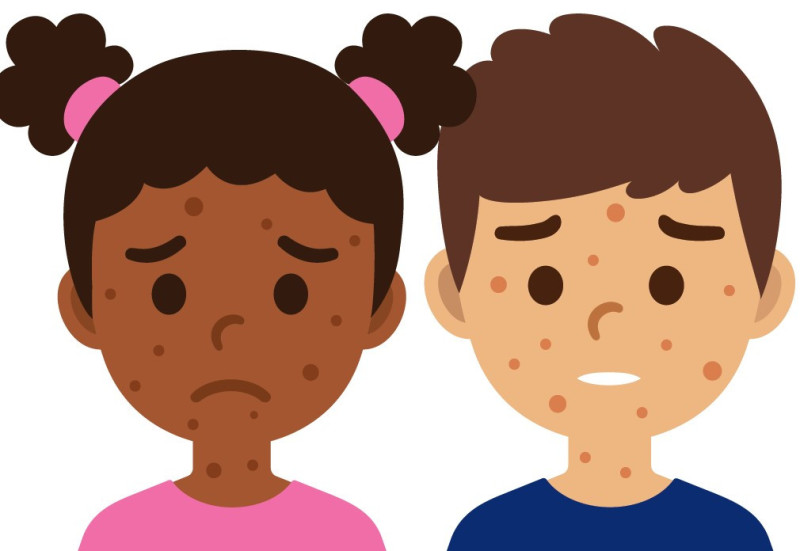
Measles is one of the most contagious viral diseases in the world, caused by the measles virus from the Paramyxoviridae family. Despite the availability of a safe and effective vaccine, measles continues to cause outbreaks in both developing and developed countries. These outbreaks often result in severe illness, preventable deaths, and significant strain on healthcare systems. Understanding the causes of measles outbreaks and their global impact is critical to strengthening public health measures and preventing future epidemics.
Causes of Measles Outbreaks
1. Declining Vaccination Coverage
- Primary Cause:
The measles, mumps, and rubella (MMR) vaccine is about 97% effective after two doses. However, if vaccination coverage falls below the herd immunity threshold of 92–95%, the virus can spread rapidly. - Reasons for Decline:
- Misinformation and vaccine hesitancy
- Disruptions in vaccination programs due to conflicts, disasters, or pandemics
- Limited access to healthcare in low-income regions
2. International Travel and Importation of Cases
- Measles knows no borders. Travelers from areas with active outbreaks can carry the virus to countries where it was previously eliminated.
- Infected individuals can transmit measles during flights or in airports, leading to clusters of cases.
3. Weak Healthcare Infrastructure
- In many low-income countries, healthcare systems lack the capacity for effective vaccination campaigns or rapid outbreak response.
- Poor disease surveillance means outbreaks are often detected late, allowing uncontrolled spread.
4. Crowded Living Conditions
- Refugee camps, urban slums, and densely populated cities create environments where measles spreads easily through airborne droplets.
- Overcrowding also makes isolation and contact tracing more difficult.
5. Disruption During Public Health Emergencies
- Events like the COVID-19 pandemic led to suspension or delay of immunization campaigns worldwide, creating immunity gaps.
- Natural disasters and armed conflicts can also interrupt healthcare services.
Global Impact of Measles Outbreaks
1. Morbidity and Mortality
- Before vaccines became widely available, measles caused millions of deaths annually.
- According to the World Health Organization (WHO), measles killed over 136,000 people in 2022, mostly children under 5 years old.
2. Economic Burden
- Measles outbreaks are expensive to control, involving vaccination drives, public awareness campaigns, and hospital treatment.
- Countries may face productivity losses when parents miss work to care for sick children.
3. Strain on Healthcare Systems
- Outbreaks can overwhelm hospitals, especially in low-resource settings, diverting staff and resources from other essential health services.
4. Long-Term Health Effects
- Survivors of measles may suffer from complications like pneumonia, encephalitis, blindness, or immune suppression that lasts for weeks to months, increasing vulnerability to other infections.
5. Setbacks in Disease Elimination Goals
- Regions that had previously eliminated measles, such as parts of North America and Europe, have seen its return due to declining vaccination rates and imported cases.
Preventing Future Outbreaks
- Maintaining high vaccination coverage (≥95%) with two doses of MMR vaccine is essential.
- Strengthening disease surveillance systems enables early detection and rapid containment.
- Public health education can combat vaccine misinformation and encourage community participation in immunization programs.
- Global collaboration is necessary, as measles anywhere is a threat everywhere.
Conclusion
Measles outbreaks are preventable tragedies. They occur primarily because of declining vaccination coverage, weak health systems, and global mobility that enables rapid virus spread. The global impact is far-reaching—claiming lives, draining healthcare resources, and reversing public health progress. Achieving and sustaining high vaccination rates, combined with strong international cooperation, is the only path to finally ending measles outbreaks worldwide.
FAQs
Why do measles outbreaks still happen if we have a vaccine?
They occur when vaccination coverage drops below the herd immunity threshold, allowing the virus to spread.
Can measles outbreaks happen in wealthy countries?
Yes. Even high-income countries have experienced outbreaks due to imported cases and vaccine hesitancy.
How quickly can measles spread in an outbreak?
Very quickly, one person can infect up to 18 others in a susceptible population.
Which age group is most at risk during outbreaks?
Children under 5 years old and unvaccinated individuals of any age.
Can measles be eradicated globally?
Yes, in theory. Measles has no animal reservoir, and vaccination can prevent infection, but this requires sustained global immunization coverage.