Introduction
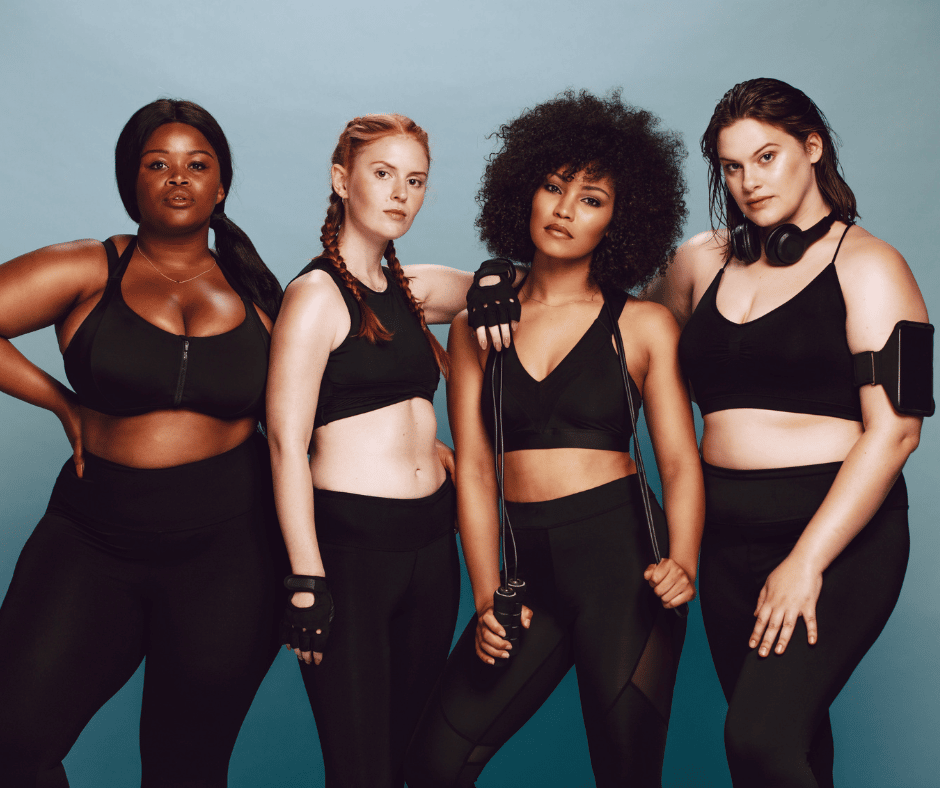
For decades, weight loss has been viewed as the central measure of health, with medical advice often centered on dieting, calorie restriction, and achieving a “healthy” body size. However, a growing body of research challenges this weight-centric approach, suggesting that health is not defined solely by numbers on a scale. Instead, the Health at Every Size (HAES) movement promotes a holistic framework that emphasizes overall well-being, self-acceptance, and sustainable health behaviors—regardless of body size or weight.
HAES is not about denying the health risks associated with obesity; rather, it aims to reduce weight stigma while focusing on long-term, achievable health practices.
What is Health at Every Size (HAES)?
HAES is a weight-inclusive approach to health developed as an alternative to traditional weight-focused models. It encourages individuals to shift their attention from weight loss to healthy behaviors that enhance quality of life.
The HAES framework is supported by the Association for Size Diversity and Health (ASDAH) and is based on evidence that health improvements can occur independently of weight loss when individuals adopt healthier lifestyles.
The Core Principles of HAES
1. Weight Inclusivity
- Accepts and respects the diversity of body shapes and sizes.
- Challenges the cultural and scientific obsession with thinness as the only indicator of health.
2. Health Enhancement
- Promotes policies and practices that improve access to healthcare and well-being for all body sizes.
- Emphasizes addressing social determinants of health, such as stress, poverty, and access to nutritious food.
3. Respectful Care
- Encourages healthcare professionals to recognize weight bias and stigma.
- Promotes compassionate, evidence-based care that prioritizes patient dignity.
4. Eating for Well-Being
- Supports flexible, individualized eating based on hunger, satiety, nutritional needs, and pleasure.
- Moves away from restrictive dieting and instead focuses on mindful and intuitive eating.
5. Life-Enhancing Movement
- Encourages physical activity for enjoyment and well-being, not just weight loss.
- Recognizes that movement should be accessible, inclusive, and adaptable to diverse abilities and body sizes.
The Benefits of HAES
- Improved Mental Health
- Reduces shame and guilt associated with weight.
- Encourages self-acceptance and body positivity.
- Better Relationship with Food
- Shifts the focus from restriction to balance, reducing the cycle of dieting and bingeing.
- Enhanced Physical Health
- Studies show improvements in blood pressure, cholesterol, and fitness levels, even without weight loss.
- Increased Sustainability
- Promotes long-term healthy habits instead of short-term dieting strategies.
- Reduced Stigma in Healthcare
- Encourages healthcare providers to treat patients with dignity, which increases trust and engagement in care.
Misconceptions About HAES
- “HAES ignores obesity risks.”
HAES does not deny that certain weight-related health risks exist; it simply emphasizes that health outcomes are influenced by many factors beyond weight alone. - “HAES promotes unhealthy lifestyles.”
On the contrary, HAES promotes adopting sustainable health behaviors—like balanced eating, movement, and self-care—without the pressure of weight loss. - “HAES says weight doesn’t matter at all.”
The movement recognizes weight as one factor but argues it should not be the sole or primary measure of health.
How to Apply HAES in Everyday Life
- Practice Intuitive Eating – Listen to hunger and fullness cues instead of following rigid diet rules.
- Engage in Joyful Movement – Find physical activities you enjoy, like dancing, walking, or swimming.
- Challenge Weight Bias – Advocate for respectful treatment in healthcare and challenge harmful stereotypes.
- Prioritize Self-Care – Focus on stress management, sleep, and mental well-being as much as physical health.
- Seek Supportive Communities – Engage with HAES-friendly healthcare providers, dietitians, or support groups.
Conclusion
The Health at Every Size (HAES) movement offers a refreshing and empowering alternative to traditional weight-focused approaches. By promoting body respect, intuitive eating, joyful movement, and weight inclusivity, HAES creates a framework where people can pursue health without stigma, shame, or unrealistic expectations. Its principles highlight that true health is about well-being, self-care, and quality of life—not just numbers on a scale.
FAQs
1. Is HAES anti-weight loss?
No. HAES is not against weight loss but shifts the focus toward health behaviors rather than weight outcomes.
2. Does HAES work for people with obesity-related conditions?
Yes. Many people experience improvements in blood pressure, glucose levels, and overall well-being without significant weight loss.
3. How is HAES different from dieting?
Dieting focuses on restriction and weight change, while HAES emphasizes long-term, enjoyable health practices.
4. Can I still track calories or weight if I follow HAES?
HAES encourages mindful eating over strict tracking, but individuals may adapt practices based on their comfort.
5. How can healthcare providers adopt HAES?
By offering respectful, stigma-free care, focusing on holistic health markers, and supporting patients in sustainable lifestyle changes.