
Introduction
Urinary incontinence affects millions of people worldwide, making daily activities stressful and sometimes embarrassing. While medical evaluation and treatment are important, incontinence products can provide immediate support, protect clothing, and improve confidence. With a wide variety of pads, protective underwear, and medical devices available, choosing the right option depends on the type and severity of incontinence, lifestyle, and personal comfort.
This guide explains the different types of products, their uses, and tips for selecting what works best for you.
Types of Incontinence Products
1. Absorbent Pads
- Description: Disposable or washable pads that attach to underwear to absorb urine leakage.
- Types:
- Light absorbency: For minor leaks (e.g., drops when sneezing or coughing).
- Moderate absorbency: For daytime use with occasional leaks.
- Heavy absorbency: For larger leaks or overnight use.
- Tips:
- Change pads frequently to prevent skin irritation and odors.
- Consider pads with odor control or moisture-wicking layers.
2. Protective Underwear
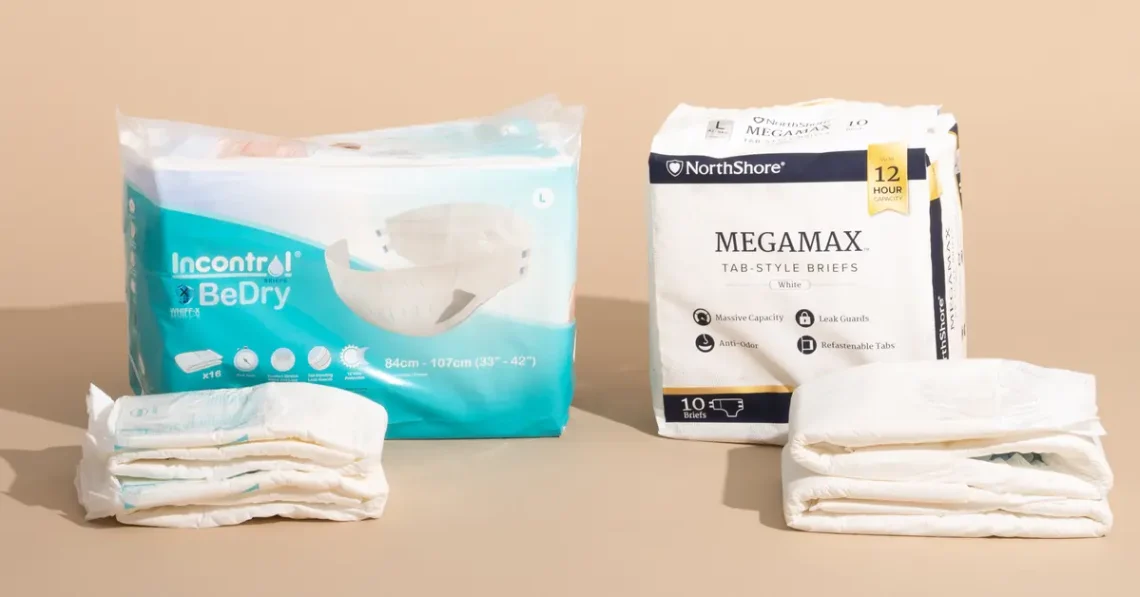
- Description: Also called adult briefs or pull-up underwear; worn like regular underwear.
- Types:
- Pull-on style: Convenient for active individuals.
- Tab-style briefs: Easy to remove and replace, suitable for limited mobility.
- Absorbency: Ranges from light to extra heavy; suitable for moderate to severe incontinence.
- Tips:
- Check the fit: snug but not restrictive to avoid leaks.
- Choose breathable materials to reduce skin irritation.
3. External Catheters and Devices
- For men:
- Condom catheters (also called external catheters): Worn over the penis, connected to a drainage bag, ideal for continuous leakage.
- For women:
- Pessaries or urinary collection devices may help manage stress incontinence in some cases.
- Tips:
- Proper sizing and hygiene are critical to prevent infections.
- Consult a healthcare provider before using these devices.
4. Bed and Furniture Protection
- Waterproof mattress protectors and chair pads help prevent damage from leaks, especially overnight or for those with limited mobility.
5. Skin Care Products
- Barrier creams, wipes, and gentle cleansers protect the skin from irritation caused by prolonged moisture exposure.
Choosing the Right Product
- Assess the Severity
- Light leaks: pads or liners may be sufficient.
- Moderate to heavy leaks: consider protective underwear or external devices.
- Consider Lifestyle and Activity
- Active individuals may prefer discreet, pull-on underwear.
- Bedridden or limited mobility: tab-style briefs or catheter devices may be more practical.
- Check Absorbency and Fit
- Ensure the product can handle your typical volume of leakage without leakage or discomfort.
- Test a few brands if needed; comfort varies by material and design.
- Skin Sensitivity
- Opt for breathable, hypoallergenic products if you have sensitive skin or are prone to rashes.
- Discretion and Confidence
- Consider color, odor control, and bulkiness, especially if worn under clothing in public.
Tips for Effective Use
- Change products regularly to prevent infection and odor.
- Wash reusable products according to instructions to maintain absorbency.
- Pair pads or underwear with pelvic floor exercises to improve bladder control.
- Keep extra supplies on hand when traveling or going out.
Conclusion
Choosing the right incontinence product is essential for comfort, hygiene, and confidence. Whether you need a simple pad, protective underwear, or a medical device, selecting the right fit and absorbency can make daily life more manageable. Combining product use with lifestyle strategies, exercises, and professional guidance offers the best results for managing urinary incontinence.
FAQs
1. Can men and women use the same incontinence pads?
Yes, but some products are designed for anatomical differences for a better fit and comfort.
2. How often should incontinence products be changed?
It depends on absorbency and usage, but generally every 3–4 hours or immediately after a leak.
3. Are reusable products as effective as disposable ones?
Yes, modern washable pads and underwear are highly absorbent and eco-friendly but require proper laundering.
4. Can these products prevent skin irritation?
They can help, especially when paired with barrier creams, but frequent changing and hygiene are crucial.
5. Do I need a doctor’s prescription for external catheters or devices?
Most are available over-the-counter, but a healthcare provider should guide their use to ensure safety and proper sizing.