Introduction
Urinary incontinence—the involuntary loss of bladder control—can affect daily life, self-confidence, and overall well-being. While medical treatments and exercises like pelvic floor training are important, lifestyle modifications play a crucial role in managing and reducing symptoms. Simple changes in diet, fluid intake, and body weight can significantly improve bladder control and reduce the frequency and severity of leakage.
This article explores practical lifestyle strategies to help manage incontinence effectively.
1. Diet Modifications
Certain foods and beverages can irritate the bladder and worsen incontinence. Adjusting your diet can make a noticeable difference.
Bladder Irritants to Limit or Avoid
- Caffeine: Found in coffee, tea, energy drinks, and chocolate; can increase urgency and frequency.
- Alcohol: Acts as a diuretic and irritant, worsening leakage.
- Carbonated beverages: May irritate the bladder lining.
- Artificial sweeteners: Some people find them irritating to the bladder.
- Spicy foods, citrus, and tomato products: Can trigger bladder irritation in sensitive individuals.
Foods That May Help
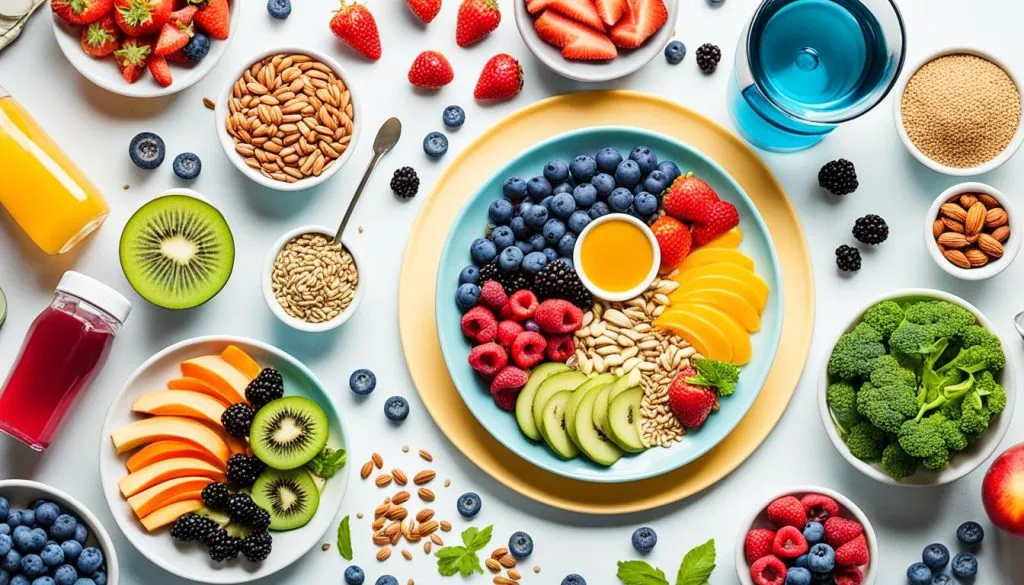
- High-fiber foods: Fruits, vegetables, and whole grains can prevent constipation, which reduces bladder pressure.
- Lean proteins: Chicken, fish, eggs, and legumes for overall health without irritating the bladder.
- Adequate hydration: Proper hydration keeps urine less concentrated and reduces bladder irritation.
2. Managing Fluid Intake
Maintaining optimal hydration is important, but timing and amount matter.
Tips for Fluid Management
- Don’t restrict fluids excessively: Dehydration can irritate the bladder and increase leakage.
- Sip fluids throughout the day: Avoid large amounts at once.
- Limit nighttime fluids: Reducing intake 2–3 hours before bed can help prevent nocturia (nighttime urination).
- Monitor triggers: Keep track of beverages that increase urgency and adjust accordingly.
3. Weight Management
Excess body weight can place extra pressure on the bladder and pelvic floor muscles, contributing to incontinence.
Benefits of Weight Loss
- Reduced stress on pelvic muscles, improving bladder support.
- Lower frequency and severity of leakage episodes.
- Improved outcomes with pelvic floor exercises.
Strategies
- Balanced diet: Focus on nutrient-rich, lower-calorie foods to achieve sustainable weight loss.
- Regular physical activity: Walking, swimming, or low-impact exercises strengthen muscles and support weight management.
- Consistency: Even modest weight loss (5–10% of body weight) can improve incontinence symptoms significantly.
4. Additional Lifestyle Tips
- Quit smoking: Nicotine can irritate the bladder and chronic coughing increases bladder pressure.
- Maintain good bowel habits: Avoid constipation to reduce pressure on the bladder.
- Pelvic floor exercises: Strengthen muscles that control urination.
- Bladder training: Gradually increase time between bathroom visits to improve control.
- Wear absorbent products if needed: Provides confidence while making lifestyle changes.
Conclusion
Lifestyle changes—including dietary adjustments, fluid management, and maintaining a healthy weight—are powerful tools for reducing urinary incontinence. Combined with pelvic floor exercises, bladder training, and professional guidance, these strategies can improve bladder control, reduce leakage, and enhance overall quality of life. Small, consistent changes often lead to noticeable improvements, making daily activities more manageable and enjoyable.
FAQs
1. Can diet alone improve incontinence?
Diet changes help reduce bladder irritation and urgency, but the best results come when combined with exercises and bladder training.
2. How much water should I drink to avoid incontinence?
Aim for 6–8 cups per day, sipping steadily. Avoid excessive restriction, as concentrated urine can worsen symptoms.
3. Does weight loss really help with incontinence?
Yes. Even modest weight loss can reduce bladder pressure and improve symptoms.
4. Are there foods that trigger incontinence for everyone?
Triggers vary by individual. Common irritants include caffeine, alcohol, carbonated drinks, and spicy foods.
5. Can lifestyle changes eliminate incontinence entirely?
They may not cure all cases, but lifestyle changes can significantly reduce frequency and severity, often in combination with exercises or medical treatment.