Introduction
Urinary incontinence is a common condition that can affect both men and women, particularly after childbirth in women and prostate surgery in men. While often temporary, incontinence can significantly impact daily life, self-confidence, and emotional well-being. Understanding the causes, risk factors, and management strategies is key to recovery and regaining bladder control.
Incontinence After Childbirth
Causes
Childbirth can weaken the pelvic floor muscles, which support the bladder, uterus, and rectum. Factors contributing to postpartum incontinence include:
- Vaginal delivery, especially with large babies or prolonged labor
- Use of forceps or vacuum-assisted delivery
- Perineal tears or episiotomy
- Hormonal changes, including reduced estrogen levels
- Multiple pregnancies
Types of Postpartum Incontinence
- Stress incontinence: Leakage with coughing, sneezing, or lifting.
- Urge incontinence: Sudden strong urge to urinate.
- Mixed incontinence: Combination of stress and urge symptoms.
Management Strategies
- Pelvic Floor Exercises (Kegels): Strengthen muscles to restore bladder support.
- Bladder Training: Gradually increase time between bathroom visits.
- Lifestyle Modifications: Manage weight, avoid bladder irritants, and stay hydrated.
- Physical Therapy: Pelvic floor physical therapists can provide individualized guidance.
- Medical Evaluation: Persistent symptoms may require medications or surgical interventions in rare cases.
Incontinence After Prostate Surgery
Prostate surgeries, such as prostatectomy for prostate cancer or transurethral resection of the prostate (TURP) for benign enlargement, can temporarily or permanently affect urinary control.
Causes
- Disruption of the sphincter muscles controlling urine flow
- Nerve damage during surgery
- Reduced bladder capacity or overactive bladder
- Scar tissue formation
Types of Post-Surgical Incontinence
- Stress incontinence: Most common; leakage with coughing, sneezing, or exertion.
- Urge incontinence: Less common; sudden intense urge to urinate.
- Mixed incontinence: Combination of stress and urge symptoms.
Management Strategies
- Pelvic Floor Exercises: Critical for strengthening muscles weakened by surgery.
- Timed Voiding and Bladder Training: Helps retrain bladder control.
- Absorbent Pads or Protective Underwear: Provides temporary confidence during recovery.
- Medications: Antimuscarinics or beta-3 agonists may help in cases of urge incontinence.
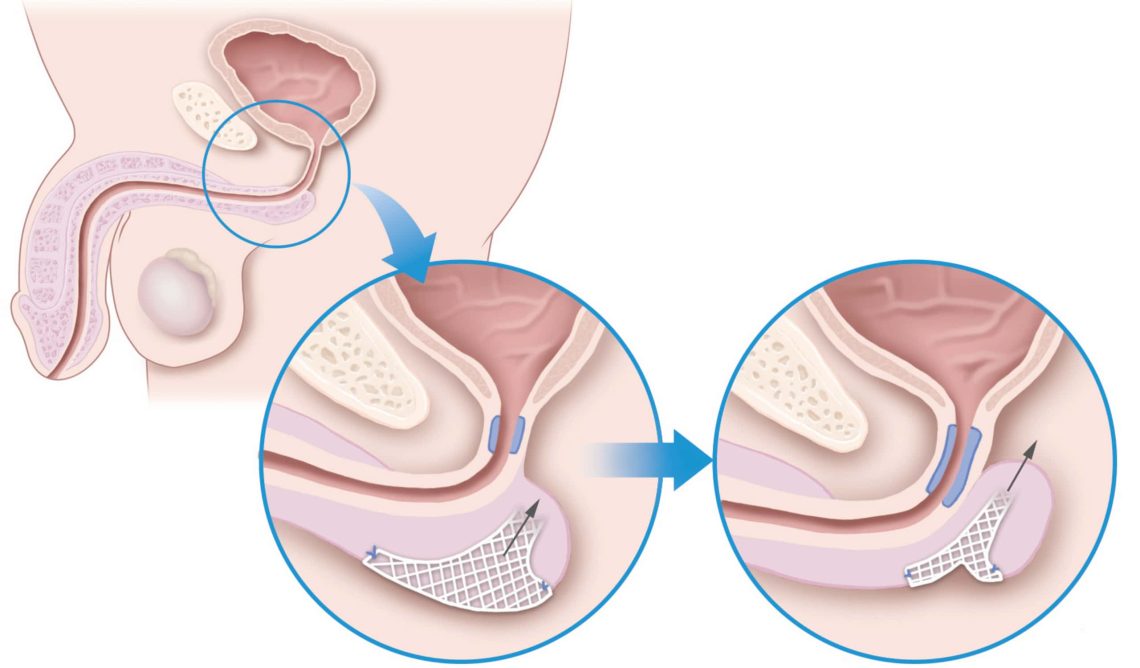
- Surgical Options: Severe, persistent stress incontinence may require procedures such as a male sling or artificial urinary sphincter.
Tips for Recovery
- Start pelvic floor exercises as recommended by your healthcare provider.
- Be patient: improvement can take weeks to months.
- Track symptoms to monitor progress and identify triggers.
- Avoid heavy lifting or straining early in recovery.
- Seek professional help if incontinence persists beyond 6–12 weeks postpartum or after surgery.
Conclusion
Incontinence after childbirth or prostate surgery is common but often manageable with targeted interventions. Pelvic floor exercises, bladder training, lifestyle changes, and, when necessary, medications or surgical treatments can restore bladder control and improve quality of life. Early recognition, consistent management, and professional guidance are key to achieving the best outcomes.
FAQs
1. Is postpartum incontinence permanent?
Most cases improve within months with pelvic floor exercises and bladder training, but some may persist longer and require medical evaluation.
2. How long does it take to regain bladder control after prostate surgery?
Recovery varies; many men see improvement within 3–6 months, though full recovery may take up to a year.
3. Can Kegel exercises help both men and women after these events?
Yes. Strengthening the pelvic floor is effective for managing stress and urge incontinence in both sexes.
4. When should I see a doctor about post-surgical or postpartum incontinence?
If leakage is severe, persistent, or accompanied by pain, blood in urine, or infections, consult a healthcare provider promptly.
5. Are there products to help manage incontinence during recovery?
Yes. Absorbent pads, protective underwear, and bed/furniture protection products can provide confidence while undergoing recovery.