
Introduction
Respiratory Syncytial Virus (RSV) is a common viral infection that primarily affects the respiratory system. While many cases in infants, toddlers, and older adults are mild and manageable at home, RSV can become severe, particularly in young infants, premature babies, older adults, or those with chronic health conditions. Recognizing the warning signs of severe RSV infection is crucial for timely medical intervention and preventing complications such as respiratory distress, pneumonia, or dehydration.
1. Who is at Higher Risk for Severe RSV
Certain groups are more likely to develop severe RSV illness requiring hospitalization:
- Infants under 6 months, especially those born prematurely
- Children with chronic lung or heart conditions
- Older adults, particularly those over 65 years
- Individuals with weakened immune systems
High-risk individuals should be monitored closely when they contract RSV, as symptoms can escalate rapidly.
2. Signs of Severe RSV in Infants and Children
Parents and caregivers should seek immediate medical care if any of the following symptoms are present:
Breathing Difficulties
- Rapid breathing or shortness of breath
- Retractions: pulling in of skin around ribs or neck during breathing
- Flaring nostrils while breathing
- Wheezing or noisy breathing
Cyanosis (Bluish Color)
- Blue or gray color around the lips, face, or fingertips, indicating low oxygen levels
Feeding and Hydration Issues
- Difficulty feeding or refusal to eat
- Signs of dehydration: dry mouth, fewer wet diapers, sunken eyes, lethargy
Lethargy or Extreme Irritability
- Unusual sleepiness, difficulty waking, or inconsolable crying
Persistent High Fever
- Fever that does not respond to medication or is unusually high for the child’s age
3. Severe RSV in Older Adults
Older adults may also develop complications that require hospitalization:
- Shortness of breath or difficulty performing normal activities
- Worsening cough, wheezing, or chest tightness
- Fatigue and confusion
- Risk of pneumonia or other secondary infections
Older adults with chronic lung disease, heart disease, or weakened immune systems are particularly vulnerable.
4. When to Go to the Hospital
Seek immediate medical attention if your child or older adult shows:
- Trouble breathing or pauses in breathing (apnea)
- Persistent cyanosis
- Severe dehydration
- Inability to feed
- Extreme lethargy or confusion
Early hospitalization allows oxygen therapy, intravenous fluids, and close monitoring, which can prevent severe complications.
5. Hospital Care for Severe RSV
In the hospital, care may include:
- Oxygen supplementation for low blood oxygen levels
- Intravenous fluids to prevent dehydration
- Monitoring for complications such as pneumonia
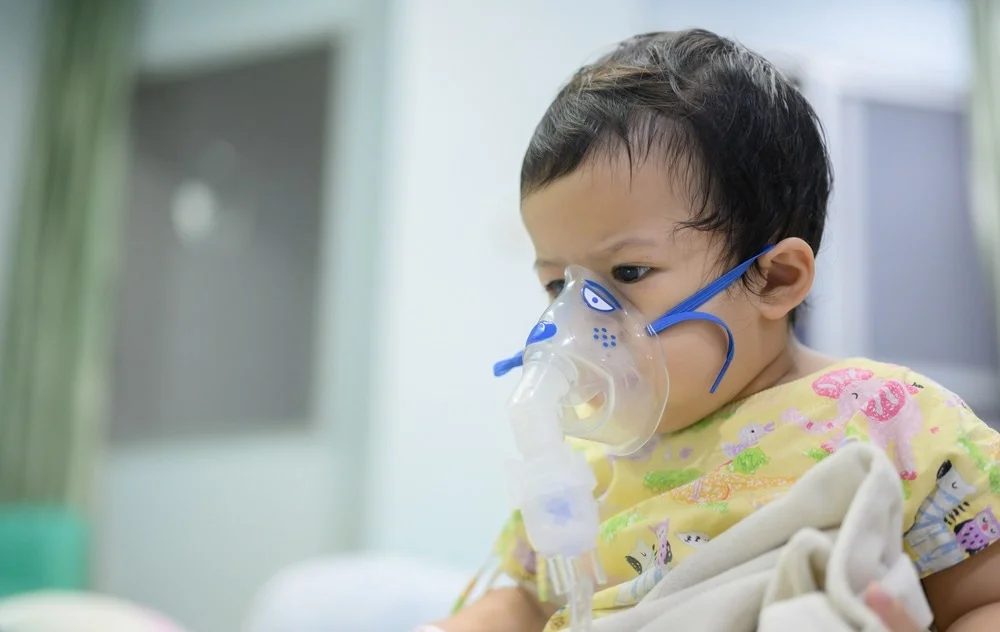
- In rare cases, mechanical ventilation may be required for infants with severe respiratory distress
Hospitalization does not always mean invasive treatment; many children recover with supportive care and careful monitoring.
Conclusion
While most RSV cases are mild, severe infection can develop quickly in infants, high-risk children, and older adults. Recognizing warning signs—difficulty breathing, bluish lips, dehydration, lethargy, or high fever—is critical for timely hospitalization and treatment. Early intervention can prevent serious complications and ensure the best outcomes for vulnerable populations.
FAQs
1. How quickly can RSV become severe?
In high-risk infants and older adults, symptoms can worsen within a few days, sometimes rapidly.
2. Can severe RSV occur in healthy children?
It is less common but possible, especially in infants under 6 months.
3. What treatments are given in the hospital?
Oxygen therapy, IV fluids, and monitoring for complications; rarely mechanical ventilation is needed.
4. Can RSV be prevented in high-risk infants?
Yes, with maternal vaccination during pregnancy and Beyfortus (nirsevimab) for infants entering RSV season.
5. Should I call a doctor for mild RSV symptoms?
Yes, especially for infants, older adults, or those with chronic conditions, to monitor and prevent progression to severe illness.