Introduction
Respiratory Syncytial Virus (RSV) is a highly contagious virus that primarily affects the respiratory tract. While it often causes mild cold-like symptoms in older children and adults, RSV can be serious for infants, especially those under 6 months, premature babies, and children with underlying health conditions. Understanding how RSV spreads and taking proactive preventive measures is key to protecting vulnerable infants and reducing the risk of severe illness.
1. How RSV Spreads
RSV spreads easily from person to person through direct contact, respiratory droplets, and contaminated surfaces.
Common Modes of Transmission:
- Close Contact:
- Kissing, hugging, or holding an infected person, especially an infant.
- Respiratory Droplets:
- Sneezes or coughs release droplets containing the virus, which can land in the mouth, nose, or eyes of nearby individuals.
- Contaminated Surfaces (Fomites):
- Toys, doorknobs, tables, and other objects can carry RSV.
- Infants touching these surfaces and then putting hands or objects in their mouths are at higher risk.
Who Can Spread RSV?
- Infected adults and children, even if their symptoms are mild or appear cold-like.
- Asymptomatic carriers, who can still transmit the virus to infants and high-risk individuals.
2. Why Babies Are Particularly Vulnerable
- Infants have underdeveloped immune systems and smaller airways, making it harder to fight infections.
- Premature infants or those with heart or lung conditions face higher risk of severe RSV complications, including bronchiolitis and pneumonia.
- Babies are more likely to require hospitalization if infected.
3. Prevention Tips Around Babies
Hygiene Measures
- Frequent handwashing: Wash hands thoroughly before touching the baby.
- Use hand sanitizer when soap and water are not available.
- Avoid touching the baby’s face after contact with potentially contaminated surfaces.
Limit Exposure
- Keep infants away from sick people, including siblings or visitors with cold-like symptoms.
- Avoid crowded places like malls, daycare, or public transport during RSV season.
- Restrict visitors during peak RSV season, especially for newborns or high-risk infants.
Cleaning and Disinfecting
- Regularly sanitize toys, pacifiers, feeding bottles, and frequently touched surfaces.
- Use mild disinfectants safe for baby items.
Protective Measures for Caregivers
- Wear a mask if you are sick and must be near the baby.
- Cover coughs and sneezes, and dispose of tissues immediately.
Immunization and Prophylaxis
- Maternal RSV vaccination during pregnancy transfers protective antibodies to the infant.
- Beyfortus (nirsevimab) monoclonal antibody can be administered to infants at the start of RSV season for passive immunity.
General Health Measures
- Ensure the baby is well-rested, fed, and hydrated.
- Avoid secondhand smoke, which can worsen respiratory infections.
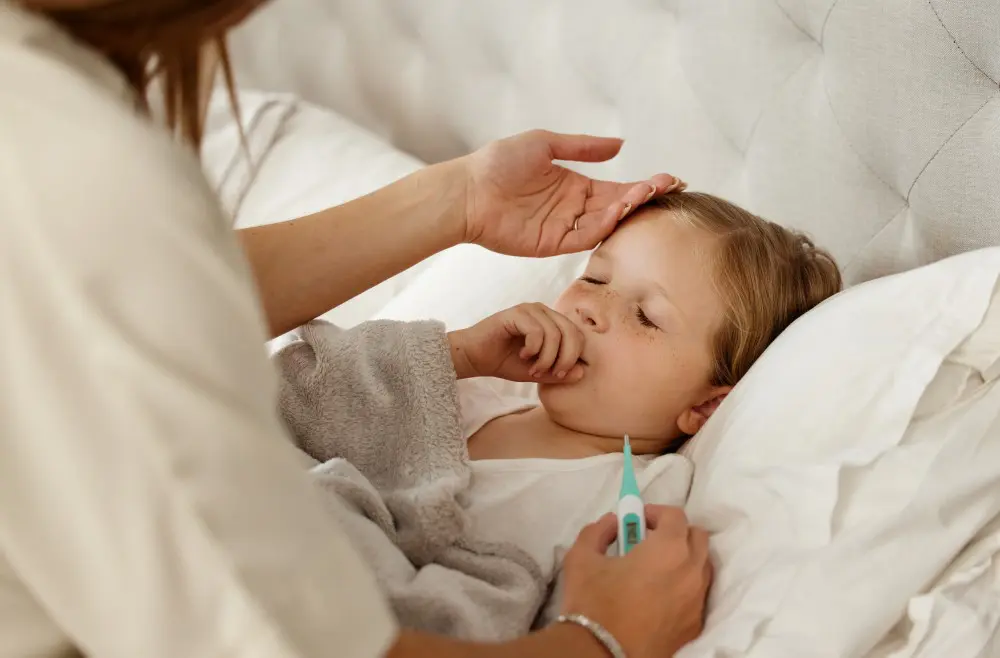
4. Monitoring for Symptoms
Even with preventive measures, babies may still contract RSV. Early recognition is crucial:
- Runny nose or congestion
- Persistent cough or wheezing
- Rapid or labored breathing
- Fever or irritability
- Poor feeding or decreased wet diapers
Seek medical attention promptly if any severe symptoms appear, especially difficulty breathing, cyanosis, or lethargy.
Conclusion
RSV spreads easily through close contact, respiratory droplets, and contaminated surfaces, making infants particularly susceptible to severe illness. Preventive measures—hand hygiene, limiting exposure, cleaning surfaces, and using immunization or monoclonal antibodies—are critical to protecting babies. By being vigilant and proactive, caregivers can greatly reduce the risk of RSV and help infants stay healthy during RSV season.
FAQs
1. Can RSV be spread by adults who have mild cold symptoms?
Yes, even mild or asymptomatic adults can transmit RSV to infants.
2. How long can RSV survive on surfaces?
RSV can survive for hours on hard surfaces and for shorter on soft surfaces, making regular cleaning important.
3. Are hand sanitizers effective against RSV?
Yes, alcohol-based sanitizers are effective when soap and water are not available.
4. Can babies receive an RSV vaccine?
Currently, infants receive passive protection via Beyfortus (nirsevimab) or maternal vaccination, not a direct vaccine.
5. When should I call a doctor if my baby is exposed to RSV?
If the baby shows breathing difficulty, persistent cough, poor feeding, or bluish lips, seek medical care immediately.