
Introduction
Hiccups are a common but often annoying reflex caused by involuntary contractions of the diaphragm—the muscle that helps you breathe. Each contraction is followed by the sudden closure of the vocal cords, creating the characteristic “hic” sound. While hiccups usually resolve on their own, persistent or prolonged hiccups can be frustrating and disruptive.
Various remedies exist, from holding your breath to drinking water, but one lesser-known approach is the use of pressure point techniques. Rooted in acupressure and traditional Chinese medicine, these methods focus on stimulating specific points on the body to restore balance, relax the diaphragm, and regulate nerve signals.
This article explores the most effective pressure point techniques for stopping hiccups, how they work, and when to use them.
Understanding Hiccups and Pressure Points
What Causes Hiccups?
- Sudden stomach distension (overeating, drinking carbonated beverages).
- Sudden changes in temperature.
- Emotional stress or excitement.
- Irritation of the vagus or phrenic nerve.
How Pressure Points Help
Acupressure and reflexology are based on the principle that stimulating certain body points can influence internal organs and muscles. For hiccups, pressure points help by:
- Relaxing the diaphragm.
- Stimulating the vagus nerve to reset breathing.
- Improving circulation and energy flow.
- Calming the nervous system.
Key Pressure Point Techniques for Hiccups
1. Diaphragm Point (Below the Sternum)
- Location: At the base of the sternum (solar plexus area), just where the ribs meet.
- Technique: Use two fingers to apply gentle but firm pressure in a circular motion for 30–60 seconds.
- Benefit: Relaxes the diaphragm muscle and reduces spasms.
2. Pericardium 6 (P6 / Nei Guan Point)
- Location: Inside of the forearm, about three finger-widths below the wrist crease, between two tendons.
- Technique: Press firmly with your thumb for 1–2 minutes while breathing deeply.
- Benefit: Commonly used for nausea and hiccups, it helps regulate the vagus nerve and calm diaphragm contractions.
3. Conception Vessel 22 (CV22 / Tiantu Point)
- Location: In the hollow just above the sternum (the throat pit).
- Technique: Gently press inward and upward for about 30 seconds.
- Benefit: Controls hiccups by directly influencing the throat and diaphragm connection.
4. Stomach 36 (ST36 / Zusanli Point)
- Location: On the front of the leg, about four finger-widths below the knee cap, and one finger-width to the outside of the shin bone.
- Technique: Massage in circular motions or apply firm pressure for 1–2 minutes.
- Benefit: Balances the digestive system, reduces stomach irritation (a common cause of hiccups).
5. Diaphragm Reflex Point (Hand Reflexology)
- Location: Across the palm, running horizontally beneath the base of the fingers.
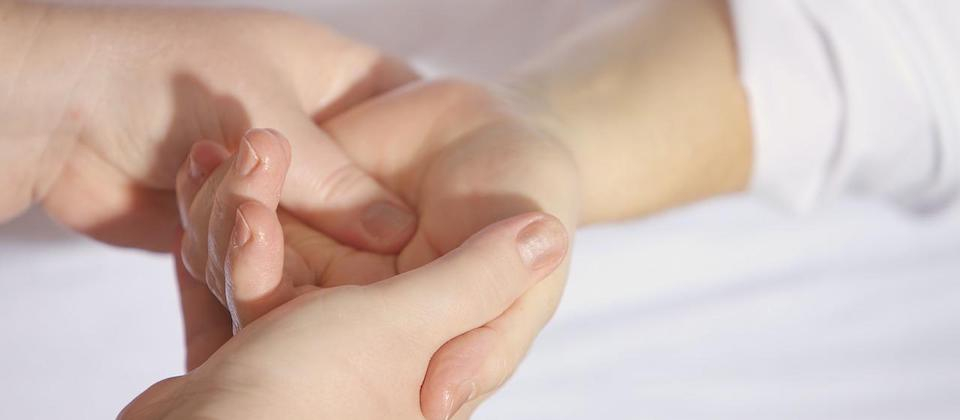
- Technique: Use the thumb of one hand to press and massage across this line for 1–2 minutes.
- Benefit: Helps relax the diaphragm and control spasms through reflex stimulation.
6. Gallbladder 20 (GB20 / Fengchi Point)
- Location: At the base of the skull, in the hollows on both sides where the neck muscles attach.
- Technique: Apply firm pressure with your thumbs, massaging gently for 30–60 seconds.
- Benefit: Helps relieve nervous tension and balances nerve signals that may trigger hiccups.
Step-by-Step Method for Best Results
- Sit in a relaxed, upright position.
- Take deep, slow breaths to calm your nervous system.
- Start with P6 (wrist point) for quick relief.
- If hiccups persist, try CV22 (throat pit) and the solar plexus point.
- Combine with gentle sipping of water for added effectiveness.
When to Seek Medical Help
While hiccups are usually harmless, you should consult a doctor if:
- Hiccups last more than 48 hours.
- They interfere with eating, drinking, or sleeping.
- They are accompanied by chest pain, severe abdominal discomfort, or shortness of breath.
Persistent hiccups can sometimes signal underlying conditions such as nerve damage, gastrointestinal issues, or central nervous system disorders.
Conclusion
Pressure point techniques offer a safe, non-invasive, and natural way to stop hiccups. By stimulating specific points such as the wrist (P6), throat pit (CV22), and diaphragm reflex areas, you can help reset the diaphragm, calm the vagus nerve, and restore normal breathing rhythm. While these methods work for many people, they are best used for short-term hiccups. If hiccups become chronic or severe, it’s important to seek medical evaluation.
FAQs
1. Do pressure point techniques work for everyone?
Not always—some people respond quickly, while others may not notice a difference. Effectiveness varies depending on the cause of hiccups.
2. How long should I apply pressure to a point?
Generally, 30 seconds to 2 minutes is recommended, depending on comfort.
3. Can I combine pressure points with other remedies?
Yes—sipping water, controlled breathing, or swallowing sugar can complement acupressure.
4. Are pressure point techniques safe for children?
Yes, but use gentle pressure. Avoid throat points (like CV22) in very young children.
5. When should I avoid using pressure point techniques?
If you feel pain, dizziness, or have a medical condition affecting circulation or nerves, avoid acupressure and consult a healthcare professional.