
Introduction
Hiccups are usually harmless and short-lived, lasting only a few minutes before disappearing on their own. However, when hiccups persist for an extended period—lasting more than 48 hours (persistent hiccups) or even over 2 months (intractable hiccups)—they can interfere with eating, sleeping, and overall quality of life. In such cases, hiccups are no longer just an inconvenience but a potential sign of an underlying medical condition that requires evaluation.
This article explores the causes of chronic hiccups, their health implications, and the medical evaluation process.
What Are Chronic Hiccups?
- Acute hiccups: Last a few minutes to a few hours.
- Persistent hiccups: Last more than 48 hours.
- Intractable hiccups: Continue for more than 2 months.
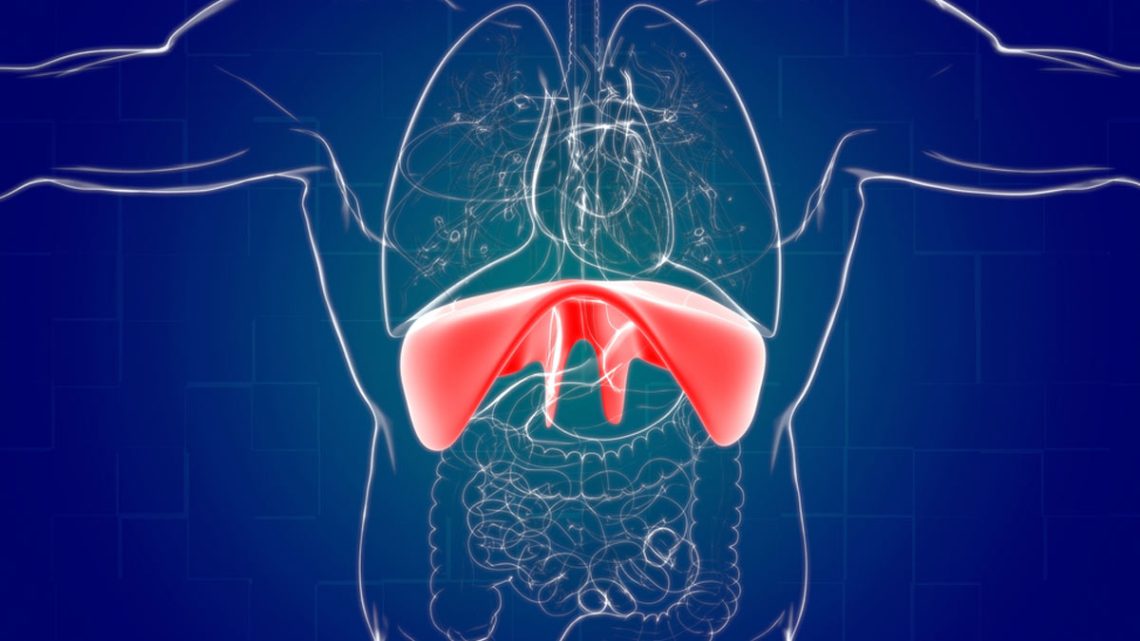
Chronic hiccups may indicate irritation or dysfunction in the nerves and organs controlling the diaphragm, particularly the phrenic nerve and the vagus nerve.
Causes of Chronic Hiccups
1. Nerve Irritation or Damage
- Pressure from a goiter, cyst, or tumor in the neck.
- Sore throat or laryngitis causing vagus nerve irritation.
- Injury or surgery affecting the phrenic or vagus nerves.
2. Gastrointestinal Conditions
- Acid reflux or gastroesophageal reflux disease (GERD).
- Gastritis, stomach ulcers, or bloating.
- Liver enlargement or pancreatic irritation.
3. Neurological Disorders
- Stroke, brain tumors, or traumatic brain injury.
- Multiple sclerosis (MS).
- Meningitis or encephalitis.
4. Metabolic or Systemic Disorders
- Kidney failure leading to uremia.
- Electrolyte imbalances (low sodium, calcium, or potassium).
- Diabetes-related complications.
5. Medications and Substances
- Steroids (e.g., dexamethasone).
- Chemotherapy drugs.
- Tranquilizers or sedatives.
- Alcohol and certain anesthetics.
6. Psychological Factors
- Extreme stress or anxiety.
- Mental health disorders may exacerbate chronic hiccups.
Symptoms and Complications of Chronic Hiccups
Chronic hiccups are more than just bothersome—they can lead to:
- Difficulty eating and drinking (risk of dehydration and malnutrition).
- Sleep disturbances and fatigue.
- Weight loss from reduced appetite.
- Emotional distress, anxiety, or depression.
- Aspiration (inhaling food or liquids into the lungs).
Medical Evaluation of Chronic Hiccups
Step 1: Medical History and Physical Examination
- Duration and frequency of hiccups.
- Recent surgeries, medications, or illnesses.
- Examination of throat, chest, and abdomen.
Step 2: Diagnostic Tests
- Blood tests: To check kidney function, electrolytes, and infection markers.
- Imaging: X-rays, CT scans, or MRI to detect tumors, nerve pressure, or lung abnormalities.
- Endoscopy: To evaluate esophageal or stomach irritation.
- Neurological exam: To assess possible brain or spinal cord involvement.
Step 3: Treatment Options Based on Cause
- Lifestyle and dietary changes (for GERD or reflux).
- Medications:
- Baclofen (muscle relaxant).
- Gabapentin (nerve stabilizer).
- Chlorpromazine or Metoclopramide (commonly prescribed for persistent hiccups).
- Nerve block or surgical intervention in rare, severe cases.
When to See a Doctor
Seek medical help if you have hiccups:
- Last longer than 48 hours.
- Cause significant pain, weight loss, or sleep issues.
- Are accompanied by symptoms like chest pain, severe headache, vomiting blood, or difficulty breathing.
Conclusion
While hiccups are generally harmless, chronic hiccups can signal underlying health problems ranging from gastrointestinal irritation to serious neurological conditions. Identifying the root cause is essential for effective treatment. If hiccups persist beyond 48 hours, medical evaluation is strongly recommended to rule out serious illnesses and prevent complications.
FAQs
1. When are hiccups considered chronic?
Hiccups lasting more than 48 hours are persistent, and those continuing for over 2 months are considered intractable or chronic.
2. Can acid reflux cause chronic hiccups?
Yes, gastroesophageal reflux disease (GERD) is one of the most common causes of long-lasting hiccups.
3. Which doctor should I see for chronic hiccups?
Start with a general physician; depending on the suspected cause, you may be referred to a gastroenterologist, neurologist, or ENT specialist.
4. Are there medicines that can stop chronic hiccups?
Yes—medications like chlorpromazine, baclofen, or metoclopramide are sometimes prescribed for persistent hiccups.
5. Are chronic hiccups dangerous?
While not usually life-threatening, they can signal an underlying condition and may lead to complications like dehydration, malnutrition, or exhaustion if untreated.