Introduction
Hiccups are a natural reflex that can occur in people of all ages, including babies and young children. They are caused by involuntary contractions of the diaphragm, often followed by the closure of the vocal cords, producing the familiar “hic” sound.
In infants, hiccups are especially common because their diaphragm and nervous system are still developing. While they are usually harmless, parents may feel concerned or want to help their child find relief. Unlike adults, however, remedies for babies and children must be safe, gentle, and suitable for their age.
This article explores effective, safe, and simple ways to stop hiccups in babies and children, as well as when to seek medical advice.
Why Do Babies and Children Get Hiccups?
- Immature diaphragm function in infants.
- Overfeeding or swallowing air while feeding.
- Sudden temperature changes (cold air, chilled drinks).
- Excitement or crying that leads to gulping air.
Hiccups in babies and children are generally not harmful and usually stop on their own.
Safe Hiccup Remedies for Babies
1. Pause Feeding
- If hiccups occur during feeding, stop for a few minutes.
- Give the baby time to rest and allow the diaphragm to relax.
2. Burping
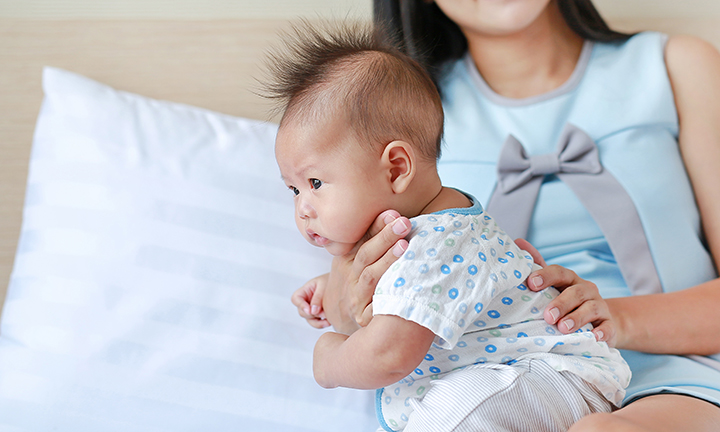
- Hold the baby upright and gently pat their back.
- Helps release swallowed air, which may be causing the hiccups.
3. Offer a Pacifier
- Sucking on a pacifier relaxes the diaphragm.
- Often works quickly for infants.
4. Small, Frequent Feedings
- Feeding smaller amounts more often can prevent hiccups triggered by overfeeding.
- Ensure the baby is latched properly during breastfeeding or bottle-feeding.
5. Upright Positioning After Feeding
- Keep the baby upright for 20–30 minutes after feeding.
- Reduces swallowed air and prevents hiccups from starting.
Safe Remedies for Young Children
1. Sipping Water
- Encourage the child to slowly sip water, which can interrupt the hiccup reflex.
2. Gentle Breathing Exercises
- Ask the child to take slow, deep breaths.
- This calms the diaphragm and reduces spasms.
3. Distraction
- Sometimes laughter, talking, or light play helps stop hiccups by resetting breathing rhythm.
4. Warm Liquids
- A small amount of warm water or herbal tea (for older children, as recommended by a doctor) may soothe the diaphragm.
What NOT to Do
- Don’t scare or startle babies or children—this can distress them without reliably stopping hiccups.
- Avoid forceful home remedies like pulling the tongue, pressing the eyes, or giving vinegar or sugar to infants.
- Do not overfeed—overfilling the stomach is a common hiccup trigger.
When to See a Doctor
Hiccups in babies and children are usually normal. Seek medical advice if:
- Hiccups last more than a few hours.
- They interfere with sleeping, feeding, or breathing.
- They are accompanied by vomiting, irritability, or poor weight gain.
Persistent hiccups could signal reflux or another underlying issue that may need treatment.
Conclusion
Hiccups are very common in babies and children and are usually nothing to worry about. Most of the time, they go away on their own. Gentle remedies such as burping, offering a pacifier, sipping water, or encouraging deep breaths are safe and effective ways to bring relief. Parents should focus on keeping the child calm and comfortable, and consult a doctor only if hiccups become prolonged or disruptive.
FAQs
1. Are hiccups harmful for babies?
No, hiccups are usually harmless and often resolve without any intervention.
2. Can feeding cause hiccups in infants?
Yes, feeding too quickly or swallowing air while feeding often triggers hiccups.
3. Should I give water to my newborn to stop hiccups?
No, newborns under 6 months should not be given water. Burping or a pacifier is safer.
4. How long do hiccups usually last in babies?
They often last a few minutes but can occasionally last longer without causing harm.
5. Do hiccups mean my child has reflux?
Not necessarily—occasional hiccups are normal. If frequent and paired with vomiting or discomfort, consult a pediatrician.