Introduction
Gas and bloating are common digestive complaints that can cause discomfort, embarrassment, and even pain. While occasional gas is normal, excessive bloating or persistent discomfort often relates to diet, lifestyle habits, or underlying digestive sensitivities. Fortunately, simple adjustments in eating patterns and daily routines can bring significant relief. This article explores effective dietary and lifestyle tips to help manage gas and bloating naturally.
Understanding Gas and Bloating
- Gas is produced in the digestive tract when bacteria break down undigested food.
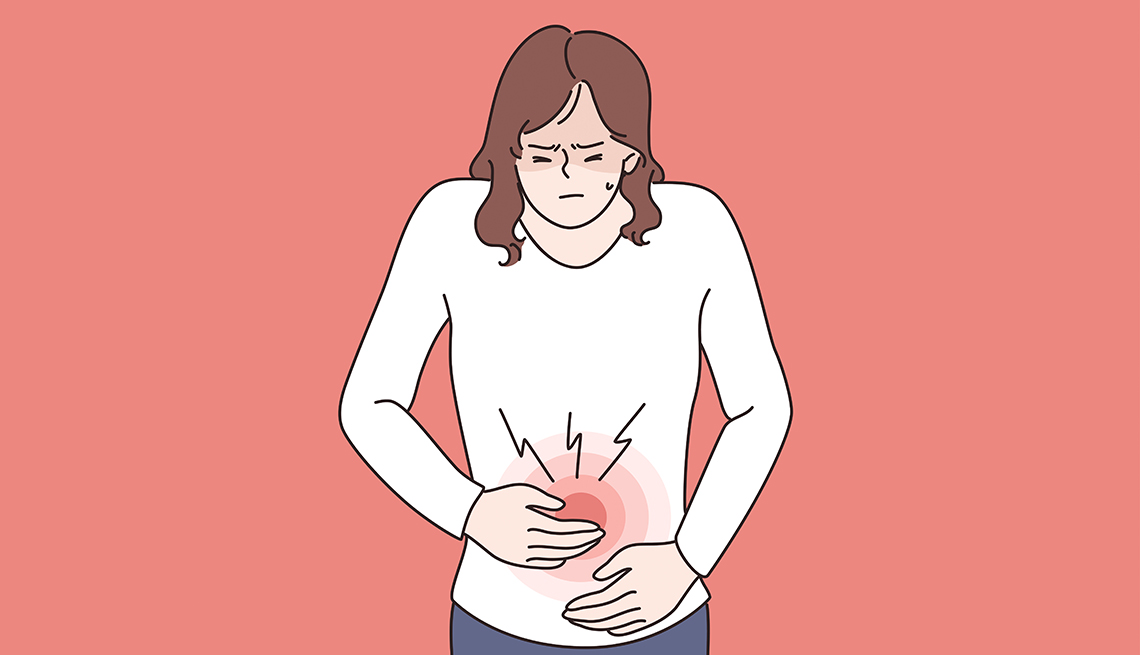
- Bloating is the feeling of fullness, swelling, or tightness in the abdomen due to excess gas or fluid retention.
- Common triggers include swallowing air, overeating, carbonated beverages, high-fiber foods, or food intolerances.
Dietary Tips for Gas and Bloating Relief
1. Eat Smaller, More Frequent Meals
- Large meals put extra strain on digestion and can increase bloating.
- Smaller, balanced meals are easier to process and reduce gas buildup.
2. Limit Gas-Producing Foods
- Beans, lentils, cabbage, onions, broccoli, and cauliflower are common culprits.
- If these cause issues, reduce portion sizes or try cooking them thoroughly to ease digestion.
3. Try a Low-FODMAP Diet
- High-FODMAP foods (fermentable carbs) like wheat, garlic, dairy, and certain fruits may trigger gas in sensitive people.
- A low-FODMAP diet, guided by a dietitian, can help identify personal triggers.
4. Reduce Carbonated Drinks
- Soda, sparkling water, and beer release extra carbon dioxide into the gut, leading to bloating.
- Choose still water or herbal teas instead.
5. Eat Slowly and Chew Thoroughly
- Swallowing air while eating too quickly increases gas.
- Chewing well also aids digestion and prevents overeating.
6. Identify Food Intolerances
- Lactose (milk sugar), gluten, and artificial sweeteners (sorbitol, xylitol) are common triggers.
- Keeping a food diary can help spot patterns.
7. Include Probiotics
- Yogurt with live cultures, kefir, sauerkraut, or probiotic supplements may balance gut bacteria and reduce bloating.
Lifestyle Tips for Gas and Bloating Relief
1. Stay Physically Active
- Walking, stretching, or light yoga helps move gas through the intestines.
- Exercise also supports healthy bowel movements.
2. Avoid Smoking and Chewing Gum
- Both increase swallowed air, which contributes to bloating.
3. Manage Stress
- Stress affects digestion and can worsen bloating in people with IBS.
- Relaxation techniques such as deep breathing, meditation, or mindfulness can help.
4. Practice Good Eating Habits
- Sit upright while eating, avoid lying down immediately afterward, and wait at least 2–3 hours before bedtime after meals.
5. Stay Hydrated
- Adequate water intake supports digestion and prevents constipation-related bloating.
- Limit alcohol and caffeine, which can dehydrate and irritate the gut.
6. Gentle Abdominal Massage
- Circular massage over the stomach may relieve trapped gas and ease discomfort.
When to See a Doctor
Gas and bloating are usually harmless, but seek medical advice if symptoms are:
- Persistent or severe.
- Associated with unexplained weight loss.
- Accompanied by blood in stool, persistent diarrhea, or vomiting.
- Linked with severe abdominal pain or sudden swelling.
Conclusion
Gas and bloating are common but often manageable with dietary adjustments and healthy lifestyle habits. Eating slowly, avoiding trigger foods, staying active, and managing stress can make a big difference. However, persistent or severe bloating should not be ignored, as it may indicate an underlying medical condition. Listening to your body and making gradual changes is the key to lasting relief.
FAQs
1. What foods commonly cause gas and bloating?
Beans, lentils, cabbage, onions, broccoli, carbonated drinks, and high-FODMAP foods are common triggers.
2. Can probiotics help with bloating?
Yes. Probiotics may balance gut bacteria, improving digestion and reducing bloating for some people.
3. Is bloating always related to food?
No. Stress, swallowing air, constipation, and certain medical conditions can also cause bloating.
4. How can I get quick relief from bloating?
Light walking, gentle yoga, warm tea (peppermint or ginger), or an abdominal massage can provide quick relief.
5. When should I be concerned about bloating?
If bloating is severe, persistent, or associated with weight loss, blood in stool, or vomiting, consult a doctor.