Introduction
Menstrual cramps and pelvic pain are extremely common experiences for people who menstruate. For some, the discomfort is mild and manageable, but for others, it can be severe enough to interfere with daily activities, work, and overall quality of life. While most cramps are a normal part of the menstrual cycle, persistent or intense pelvic pain may signal an underlying medical condition. Learning effective management strategies—and knowing when to seek medical help—can make a big difference.
Why Menstrual Cramps Occur
Menstrual cramps (dysmenorrhea) are caused by the release of prostaglandins, chemicals that make the uterus contract to shed its lining. Stronger contractions restrict blood flow to the uterine muscle, leading to pain.
- Primary dysmenorrhea: Common menstrual cramps not linked to another disease.
- Secondary dysmenorrhea: Pain caused by underlying conditions such as endometriosis, fibroids, pelvic inflammatory disease (PID), or adenomyosis.
Common Symptoms
- Throbbing or cramping pain in the lower abdomen.
- Pain that radiates to the lower back or thighs.
- Nausea, diarrhea, or headache in some cases.
- Pain beginning 1–2 days before menstruation and lasting 2–4 days.
Home and Lifestyle Management
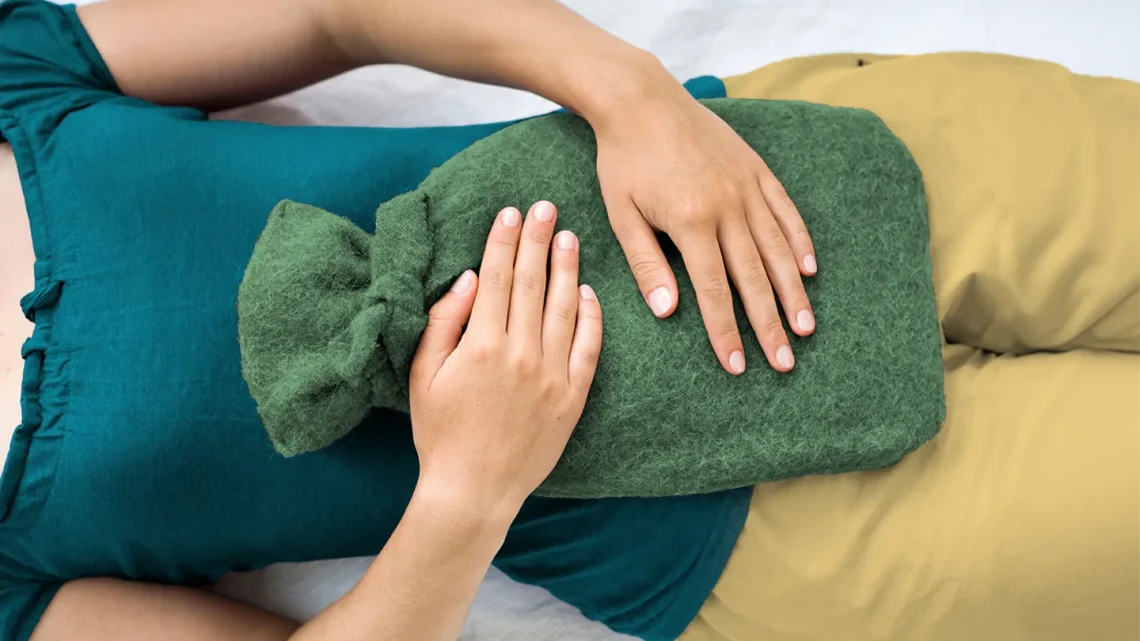
1. Heat Therapy
- Placing a heating pad, warm compress, or hot water bottle on the lower abdomen relaxes muscles and improves blood flow.
- Warm baths may also help ease discomfort.
2. Over-the-Counter Pain Relief
- NSAIDs (ibuprofen, naproxen) reduce prostaglandin levels, easing cramps.
- Best taken at the first sign of pain or just before periods start.
3. Exercise and Movement
- Light physical activity, such as walking, yoga, or stretching, releases endorphins that act as natural pain relievers.
- Regular exercise throughout the cycle may reduce severity over time.
4. Dietary Adjustments
- Reduce caffeine, alcohol, and salty foods which may worsen bloating and cramps.
- Eat a diet rich in fruits, vegetables, whole grains, and omega-3 fatty acids to reduce inflammation.
- Some find magnesium- or vitamin B1-rich foods helpful.
5. Stress Management
- Stress can worsen pain perception. Relaxation techniques such as deep breathing, meditation, or gentle yoga can help.
6. Adequate Rest and Sleep
- Quality sleep supports hormone balance and helps the body cope better with pain.
Medical Treatments
1. Hormonal Birth Control
- Pills, patches, injections, or IUDs can regulate or lighten periods, reducing cramps.
2. Prescription Medications
- Stronger NSAIDs or other pain-relief options may be prescribed for severe pain.
3. Treatment of Underlying Conditions
- Endometriosis, fibroids, or PID may require surgery, hormonal therapy, or specialized treatments.
When to Seek Medical Help
You should consult a doctor if:
- Cramps are severe and interfere with daily life.
- Pain is sudden, worsening, or different from usual cycles.
- Over-the-counter medicines and lifestyle changes do not provide relief.
- You experience heavy bleeding, irregular cycles, or pain outside your period.
- Symptoms suggest an underlying disorder (e.g., infertility, chronic pelvic pain).
Conclusion
Menstrual cramps and pelvic pain are common, but they don’t have to control your life. Simple measures like heat, exercise, diet changes, and stress management often bring relief, while medical treatments are available for more severe cases or underlying conditions. Listening to your body and seeking timely medical care ensures that pain is properly managed and serious issues are not overlooked.
FAQs
1. Are severe period cramps normal?
Mild to moderate cramps are normal, but severe, disabling pain may indicate an underlying condition such as endometriosis.
2. Do birth control methods really help with cramps?
Yes. Hormonal contraceptives can regulate or lighten periods, reducing prostaglandin production and pain.
3. Can exercise actually ease menstrual pain?
Yes. Regular exercise releases endorphins that naturally reduce pain and stress.
4. What foods should I avoid during my period?
Limit caffeine, salty foods, processed sugar, and alcohol, as they may worsen bloating and cramps.
5. When should I see a doctor about pelvic pain?
If pain is severe, unusual, or not relieved by home remedies and OTC medicines, consult a healthcare provider.