Introduction
Chest pain that worsens with breathing—often described as pleuritic chest pain—can be a sign of underlying conditions affecting the lungs or the lining around them. Unlike cardiac chest pain, which is often pressure-like and unrelated to breathing, pleuritic pain is typically sharp, stabbing, and triggered by inhaling, coughing, or sneezing. Three of the most common causes are pleurisy, pneumonia, and pulmonary embolism. Recognizing the differences is crucial, as some conditions require urgent medical attention.
1. Pleurisy (Pleuritis)
What It Is
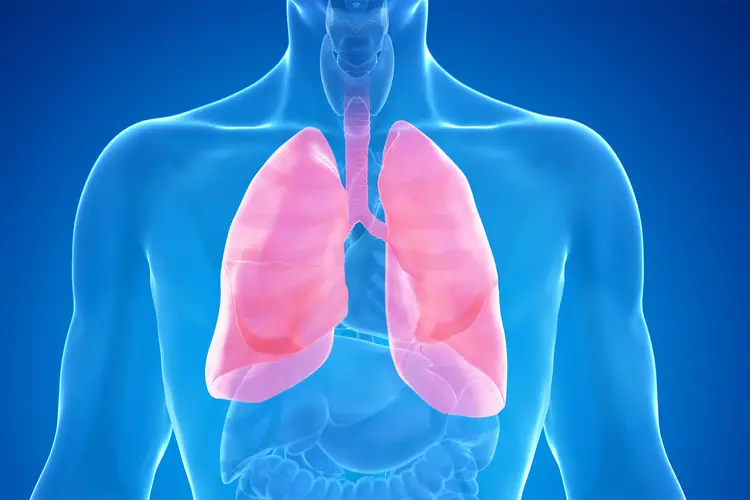
Pleurisy occurs when the pleura—the thin membranes lining the lungs and chest cavity—becomes inflamed.
Symptoms
- Sharp, localized chest pain that worsens with breathing or coughing.
- Pain may improve when holding the breath or lying on the painful side.
- Possible shortness of breath or dry cough.
Causes
- Viral or bacterial infections.
- Autoimmune conditions (e.g., lupus, rheumatoid arthritis).
- Pulmonary embolism or lung cancer in rare cases.
Management
- Treat the underlying cause (antibiotics for bacterial infection, antivirals if applicable).
- Pain relief with NSAIDs (ibuprofen, naproxen).
- Rest and breathing exercises to prevent shallow breathing complications.
2. Pneumonia
What It Is
Pneumonia is a lung infection that causes inflammation of the air sacs, which may fill with fluid or pus.
Symptoms
- Chest pain that worsens with breathing or coughing.
- Fever, chills, and sweating.
- Cough with phlegm (sometimes blood-tinged).
- Shortness of breath and fatigue.
Causes
- Bacterial, viral, or fungal infections.
- Can occur after flu or other respiratory illnesses.
Management
- Antibiotics (for bacterial pneumonia).
- Antiviral or antifungal medications when appropriate.
- Rest, hydration, and oxygen therapy in severe cases.
- Hospitalization may be required for older adults or those with weakened immune systems.
3. Pulmonary Embolism (PE)
What It Is
A pulmonary embolism occurs when a blood clot travels to the lungs, blocking blood flow in a pulmonary artery. This is a life-threatening emergency.
Symptoms
- Sudden, sharp chest pain that worsens with breathing.
- Shortness of breath (often sudden in onset).
- Rapid heart rate and anxiety.
- Cough (may produce blood).
- Lightheadedness or fainting in severe cases.
Causes & Risk Factors
- Blood clots from deep vein thrombosis (DVT) in the legs.
- Prolonged immobility (long flights, bed rest).
- Surgery, trauma, or certain medical conditions (cancer, clotting disorders).
Management
- Immediate hospitalization.
- Blood thinners (anticoagulants) to prevent further clotting.
- Thrombolytic (“clot-busting”) therapy in severe cases.
- Surgery or catheter-based procedures for large clots.
When to Seek Medical Attention
Seek immediate emergency care if you experience:
- Sudden, sharp chest pain with breathing.
- Unexplained shortness of breath.
- Coughing up blood.
- Chest pain with fever, chills, or rapid heartbeat.
- History of recent surgery, long travel, or clotting disorders.
Conclusion
Chest pain when breathing should never be ignored. While pleurisy may be managed with anti-inflammatory medications and rest, pneumonia requires prompt medical treatment, and pulmonary embolism is a life-threatening emergency demanding immediate care. Recognizing warning signs and seeking medical attention quickly can save lives and prevent serious complications.
FAQs
1. How can I tell if chest pain is from pleurisy or a heart problem?
Pleurisy pain is sharp and worsens with deep breaths or coughing, while cardiac pain is usually pressure-like and not breathing-related.
2. Can pneumonia cause chest pain even without fever?
Yes, although fever is common, some people—especially older adults—may have pneumonia without a high fever.
3. Is pleurisy always caused by infection?
No. It can also result from autoimmune diseases, pulmonary embolism, or even lung cancer.
4. How fast does a pulmonary embolism become life-threatening?
A large clot can be fatal within minutes to hours, making immediate medical care essential.
5. When should I go to the ER for chest pain with breathing?
If chest pain is sudden, severe, or accompanied by shortness of breath, coughing blood, or dizziness, call emergency services right away.