Introduction
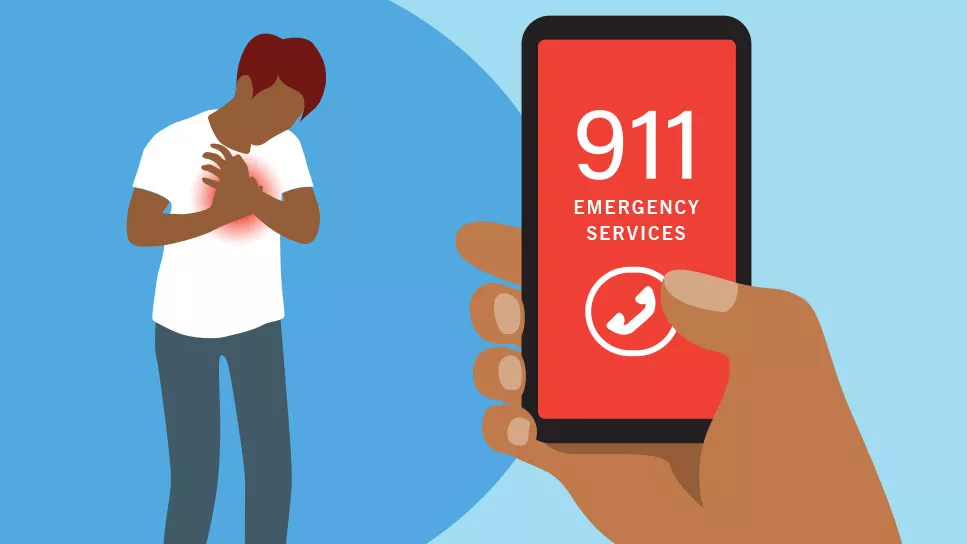
Chest pain is one of the most serious symptoms you can experience. While sometimes it may be caused by harmless conditions like indigestion or muscle strain, it can also be the first warning sign of a heart attack or other life-threatening emergency. Because every minute counts when it comes to saving heart muscle and preventing complications, it’s always better to be safe than sorry. Knowing when to call 911 (or your local emergency number) could save your life or the life of someone you love.
Why Immediate Action Matters
A heart attack or other cardiac emergency can worsen rapidly. Quick medical intervention—such as oxygen, medications, or procedures to restore blood flow—dramatically improves survival rates. Delaying help because you’re unsure if it’s “serious enough” can be dangerous.
Red Flag Symptoms: When to Call 911 Immediately
1. Chest Pain with Classic Heart Attack Features
- Pressure, squeezing, heaviness, or fullness in the chest.
- Pain lasting more than a few minutes or coming and going.
- Pain radiating to the arm, jaw, neck, shoulder, or back.
2. Chest Pain with Breathing Difficulty
- Shortness of breath at rest or with minimal exertion.
- Sudden onset of difficulty breathing with chest discomfort.
3. Chest Pain with Additional Warning Signs
- Sweating, clammy skin.
- Nausea or vomiting.
- Dizziness, lightheadedness, or fainting.
- Unusual fatigue or weakness.
4. Risk Factors That Raise Concern
Call 911 even faster if chest pain occurs in someone with:
- A history of heart disease.
- High blood pressure, diabetes, or high cholesterol.
- Smoking history.
- Family history of early heart disease.
5. Uncertain or New Chest Pain
If you’ve never had this type of pain before—or it feels different from past episodes (such as heartburn or muscle pain)—treat it as an emergency.
Why You Shouldn’t Drive Yourself to the ER
- Emergency responders can begin life-saving treatment immediately (oxygen, ECG, medications).
- If your condition worsens on the way, they are equipped to handle it.
- Driving yourself or being driven by someone else wastes critical time and increases risk.
Other Serious Conditions: Chest Pain May Signal
- Pulmonary embolism (blood clot in the lungs).
- Aortic dissection (tear in the aorta).
- Severe pneumonia or pleurisy.
These are also emergencies where immediate help is needed.
Conclusion
Chest pain should never be ignored. Even if it turns out to be indigestion or anxiety, the risk of missing a heart attack or another serious emergency is too great. When in doubt, always call 911 without hesitation. Acting quickly can make the difference between life and death.
FAQs
1. Should I wait to see if chest pain goes away before calling 911?
No. If the pain is severe, persistent, or comes with other symptoms, call immediately.
2. What if I’m not sure it’s a heart attack?
Call anyway. It’s better to be checked and told it’s nothing serious than to risk your life.
3. Can women have different heart attack symptoms?
Yes. Women may experience fatigue, nausea, shortness of breath, or back/jaw pain instead of classic chest pain.
4. Is heartburn ever a reason to call 911?
If you’re unsure whether it’s heartburn or a heart attack, treat it as a heart attack and call 911.
5. What’s the biggest mistake people make with chest pain?
Delaying medical help because they think it’s “just indigestion” or they “don’t want to bother anyone.” Never wait—call.